Planning to travel solo in Japan as a woman can feel exciting and a little daunting at the same time. If you are searching for advice on solo travel japan woman style trips, you have probably read both glowing reports and cautious warnings. The honest picture sits in the middle. Japan is widely regarded as a comfortable country for people travelling alone: public transport is reliable, cities are well lit and busy, and services are built around orderly, predictable routines. But no country is risk-free, and a few sensible habits make a real difference.
This guide is for any woman heading to Japan alone for the first time. We are native Japanese teachers living in London, and we share the practical points that first-timers ask us about most: how to shape an itinerary, where to stay, how to handle crowded trains, what to do if someone makes you uncomfortable, and which phrases are worth learning before you fly. We will not promise that everything is perfectly safe, and we will not try to scare you either.
Is Japan safe for solo female travellers?
It is a question we hear often, and the most useful answer is a balanced one. Many visitors find Japan comfortable and easy to navigate alone. Public spaces tend to be quiet and orderly, lost property is often handed in, and it is entirely normal to see people eating, shopping and sightseeing on their own.
That said, “is Japan safe for solo female travellers” does not have a yes-or-no answer. Petty problems such as pickpocketing are less commonly reported than in many big cities, but they can still happen, particularly in very crowded tourist areas. Unwanted attention on packed trains is a known issue, and nightlife districts in any large city call for the same caution you would use at home.
A good mindset is “relaxed but switched on”. Trust your instincts, keep valuables close, and do not feel awkward about leaving a place or situation that does not feel right. The rest of this article turns that mindset into specific habits.
Shaping a first-timer itinerary
If this is your first solo trip to Japan, a simple route works better than an ambitious one. Many first-timers choose a classic loop of Tokyo, Kyoto and perhaps Osaka or Nara, with a day trip or a quiet overnight stay in a smaller town. Moving between a few bases is far less tiring than changing hotels every night.
Some planning ideas that suit solo travellers:
- Stay at least two or three nights per base. Constant packing and unpacking is draining when you are managing everything alone.
- Build in one slow day per week. A temple garden, a long lunch or a bathhouse visit gives you room to rest.
- Schedule your main transfers in daylight. Arriving at a new station after a long journey is easier when it is not late at night.
Timing also matters. Cherry blossom and autumn leaf seasons are beautiful but crowded, which affects both trains and room availability. Our guide to the best time to visit Japan can help you weigh up seasons and crowds.
Choosing where to stay
Accommodation shapes how comfortable a solo trip feels, so it is worth thinking about what suits you. Here is a general overview of common types. Policies and room options differ from place to place, so always check the details on the property’s own information before you book.
- Hotels and business hotels. Compact single rooms are very common in Japan and designed with solo guests in mind. Many offer a front desk that is staffed for long hours and rooms with a lock and a quiet atmosphere.
- Hostels. These are a sociable and budget-friendly option. Some hostels offer women-only dorms or women-only floors, but not all do, so check before booking.
- Capsule hotels. Traditionally these were aimed at men, but a growing number have women-only floors or women-only properties. Look for this clearly stated rather than assuming it.
- Ryokan (traditional inns). Many ryokan are set up for two or more guests sharing a room, and some do not accept solo guests or charge differently for them. Policies vary, so ask in advance if you would like a solo stay.
When comparing places, look at the location first. A property a short, well-lit walk from a busy station is usually more comfortable than a cheaper one down a quiet side street. Reading recent guest comments from other solo women can also be useful.
If you would like to ask whether a women-only option exists, this phrase is handy:
女性専用の部屋はありますか。
Josei senyō no heya wa arimasu ka.
Do you have a women-only room?
Getting around: trains and IC cards
Trains are the backbone of travel in Japan, and they are one of the easiest parts of a solo trip once you know the basics. A rechargeable IC card lets you tap in and out without buying individual tickets, which saves time and stress in busy stations. We explain how it all works in our guide to getting around Japan by train with IC cards.
A few solo-friendly habits:
- Check your route before leaving the hotel. A navigation app on your phone will show platforms and exit numbers.
- Look up your last train. Many lines stop running around midnight, and a missed last train can mean an expensive taxi.
- Learn a handful of station kanji. Exit names and platform signs are easier when you recognise a few characters. Our guide to reading Japanese signs in stations is a good place to start.
- Keep your bag in front of you in crowds and zip pockets closed.
If you are ever lost, station staff are generally helpful, even if they speak limited English. Showing a map or address on your phone usually works well.
Women-only train cars
Some train and subway lines in Japan operate women-only cars during parts of the day, most often during the morning rush hour. They are designed so that women, young children and some other passengers can ride with more peace of mind in crowded conditions.
According to the information published by Tokyo Metro, women-only cars operate on certain lines from the first train until around 9:30 a.m., although times vary by line, and the boarding positions are marked on the platform with a “Women Only” sign. Other railway companies run their own schemes, with different lines, hours and rules, and some are only in place during particular periods.
Practical points to remember:
- Check the platform markings. Look for the sign, often in pink, at the designated boarding position, and read the times shown.
- Hours are limited. Outside the stated hours the car is usually open to everyone.
- Rules differ by operator. Do not assume that every line or city has the same system, and check the operator’s own English information page for the latest details.
- It is optional. You are free to use any car. Some women prefer the women-only car at rush hour, and others do not mind.
If you are unsure, ask a station attendant. The question is simple:
女性専用車両はどこですか。
Josei senyō sharyō wa doko desu ka.
Where is the women-only car?
Rush-hour trains and unwanted attention
Japanese rush hour can be genuinely crowded, particularly on major commuter lines in big cities in the early morning and again in the evening. If your plans are flexible, the easiest way to avoid it is to travel outside those windows. Late morning and early afternoon are usually much calmer.
Unfortunately, groping on crowded trains, known in Japanese as chikan (痴漢), is a recognised problem, and it is one of the reasons women-only cars exist. This is not something every traveller will encounter, and we do not want to alarm you. It is simply useful to know what to do.
Some practical ideas:
- Stand near the doors or in a visible spot rather than pressed into a corner, and keep your bag in front of you.
- Move away if something feels wrong. You can shift along the car or get off at the next stop.
- Speak up, clearly and loudly. Many people feel awkward doing this, but a firm voice often stops the behaviour and alerts others nearby.
- Ask for help. Station staff and other passengers will often respond, and you can report an incident at the station or to the police afterwards.
These are phrases you can use to speak up or ask for help:
やめてください。
Yamete kudasai.
Please stop.
助けてください。
Tasukete kudasai.
Please help me.
警察を呼んでください。
Keisatsu o yonde kudasai.
Please call the police.
Some travellers also carry a small personal alarm. If something happens, it is not your fault, and you are entitled to report it.
Travelling at night
Most cities in Japan stay lively into the evening, and many solo travellers happily enjoy dinner and a stroll after dark. A few simple habits keep things comfortable.
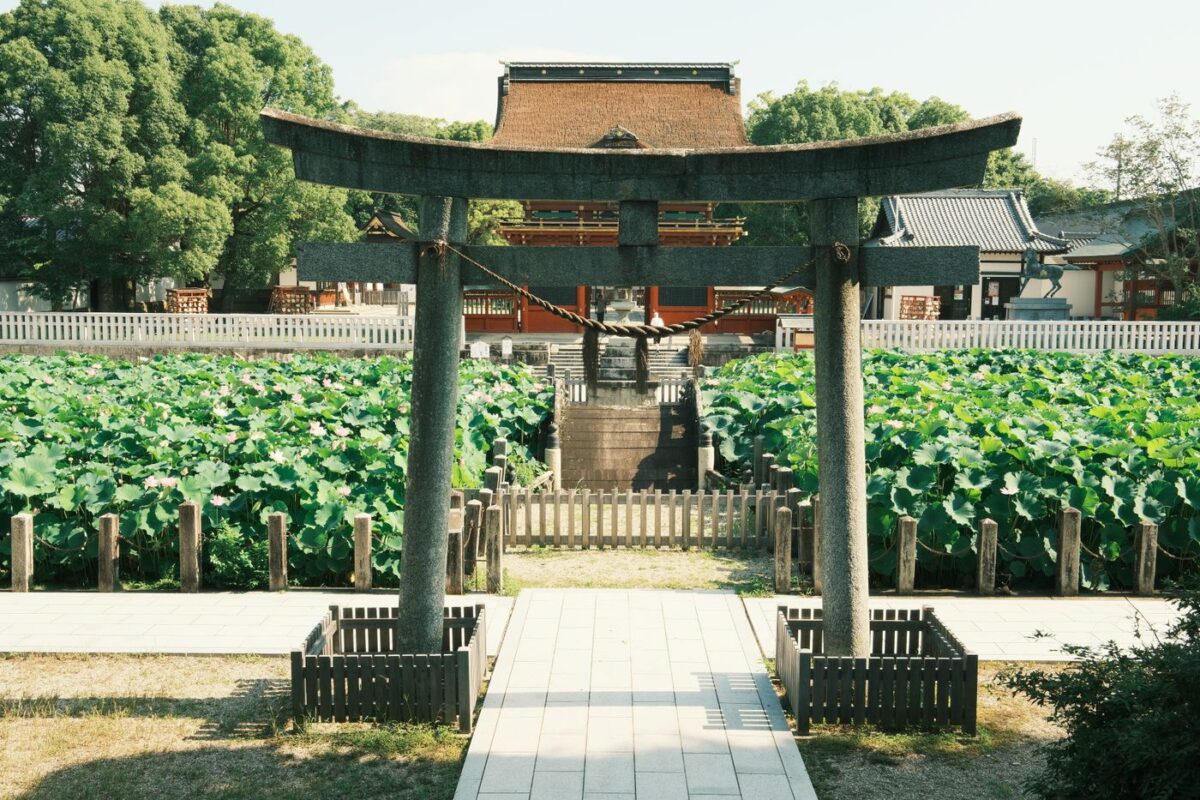
- Stick to busy, well-lit streets and main routes back to your accommodation.
- Be cautious with street touts. In some entertainment districts, people approach passers-by with offers of drinks or clubs. A polite, firm “no thank you” and continuing to walk is enough.
- Watch your drink in bars, as you would anywhere in the world.
- Plan your way home before you go out. Know your last train, or have a taxi option in mind, and keep your phone charged.
Taxis are generally easy to find near stations and are a sensible option if you are tired or the last train has gone. Have your accommodation address ready in Japanese to show the driver.
Eating alone
Dining solo is completely normal in Japan, and you will see people of all ages doing it. Many small restaurants have counter seats designed for one person, and some ramen and curry shops use a ticket machine near the entrance: you choose and pay first, then hand the ticket to the staff. Counter seats also make it easy to watch the cook and relax without feeling on display.
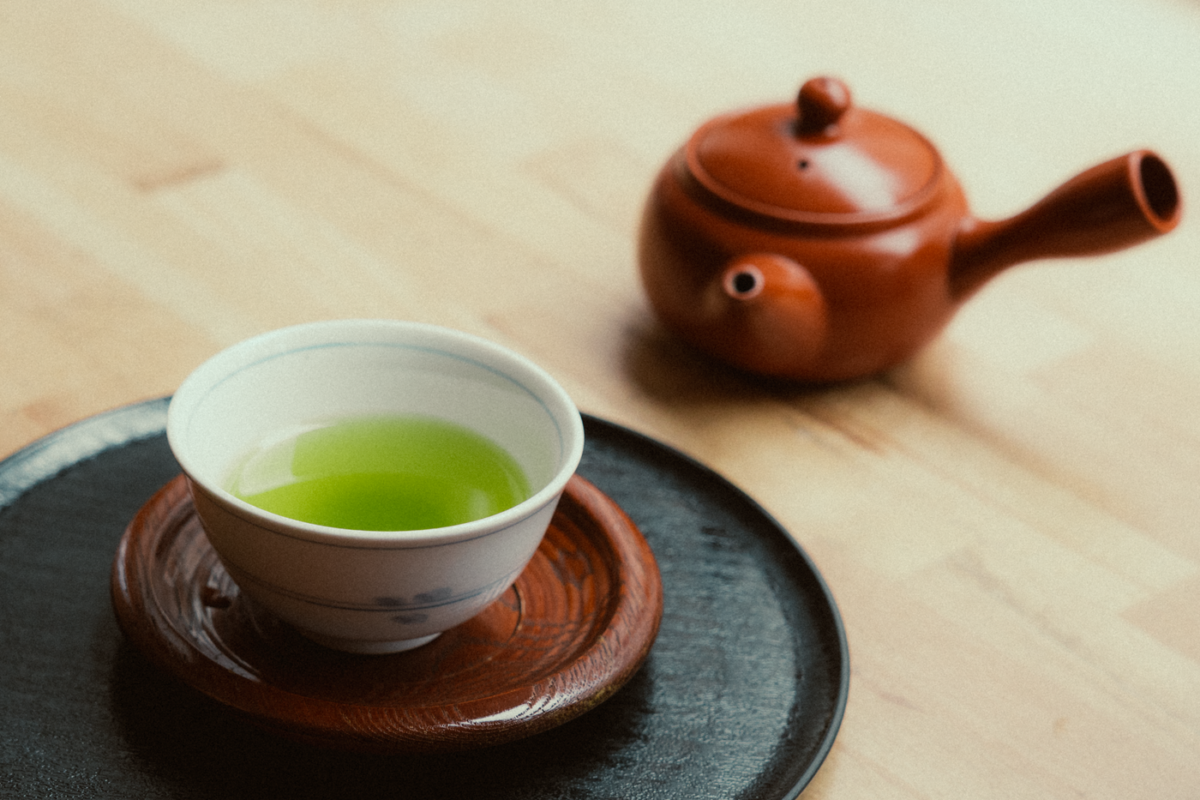
If the machine is confusing, pointing at a photo or asking for the recommended dish works well. We cover this in more detail in our guide on how to order food in Japan.
一人です。
Hitori desu.
Just one person.
おすすめは何ですか。
Osusume wa nan desu ka.
What do you recommend?
Onsen and sento as a solo woman
Public baths are a lovely part of a trip to Japan, and visiting alone is common. Baths are separated by gender in the great majority of places, and you wash thoroughly at the shower stations before entering the water. Towels are small, and swimwear is generally not worn in traditional baths.
A few points specific to solo visitors:
- Check the men’s and women’s entrances carefully. The curtains are often marked in kanji, and in some places the baths are swapped between days.
- Tattoos. Policies vary a lot. Some facilities do not allow visible tattoos, others allow them or ask you to cover small ones. Check the facility’s own information before you go.
- Private baths. Some inns and bathhouses offer private or reservable baths if you would prefer more privacy.
Our onsen guide for first-timers walks through the etiquette step by step.
Staying connected
Being able to use maps, translation and messaging makes solo travel noticeably easier. The common options are an eSIM, a physical SIM or a portable wifi device. An eSIM can be set up before you leave, while pocket wifi is useful if you are sharing a connection or your phone does not support eSIM. Whichever you choose, compare coverage, data limits and how you will collect or activate it.
It also helps to download offline maps for the cities you will visit, save your accommodation details, and carry a small power bank. Share your itinerary with someone at home and check in with them every day or two.
Luggage forwarding and lockers
Travelling light is one of the best solo-travel strategies. Many hotels and convenience stores can arrange luggage forwarding, in which a courier delivers your large suitcase to your next hotel, often within a day or so, so you only carry a small bag on the train. Services and cut-off times vary, so ask at your accommodation about the options and the timing.
Coin lockers are available at many stations and tourist sites, and they are handy for a day of sightseeing between check-out and check-in. A compact daypack worn on your front in crowds is easier to manage than a shoulder bag.
Emergency basics
It helps to know the essentials before you need them. The Japan National Tourism Organization states that the police number is 110. The ambulance and fire number is 119, and you can dial either from a mobile phone. For travellers, the JNTO publishes a Japan Visitor Hotline for emergency support, including illness and disasters, available around the clock in English and several other languages, listed on its official page at japan.travel. Save the number in your phone before you travel and check it there for any updates.
道に迷いました。
Michi ni mayoimashita.
I’m lost.
Useful phrases to keep on your phone
Learning a few phrases builds confidence, even if you mostly rely on gestures and translation apps. Screenshot this list, and see our guide to Japanese phrases for travel for more.
すみません。
Sumimasen.
Excuse me.
助けてください。
Tasukete kudasai.
Please help me.
警察を呼んでください。
Keisatsu o yonde kudasai.
Please call the police.
女性専用の部屋はありますか。
Josei senyō no heya wa arimasu ka.
Do you have a women-only room?
駅はどこですか。
Eki wa doko desu ka.
Where is the station?
Frequently asked questions
Is Japan safe for solo female travellers?
Many women find Japan comfortable to travel around alone, but no destination is risk-free. Use the same common sense you would at home: stay aware in crowds and at night, keep valuables close, and trust your instincts.
Do I need to speak Japanese?
No, but a few phrases help a great deal. Many signs in major cities have English, and translation apps work well. Learning basics such as greetings and “please help me” adds confidence.
Do I have to use the women-only train car?
No. Where they exist, they are optional and often only run during certain hours. Check the platform markings and the operator’s information.
Can a woman stay alone in a ryokan?
Sometimes. Policies differ, and some ryokan prefer two or more guests per room, so it is best to ask before booking.
What should I do if someone touches me on a train?
Move away if you can, say clearly “Yamete kudasai”, and ask other passengers or station staff for help. You can report it at the station or to the police.
Final thoughts
Solo travel in Japan as a woman can be relaxed, rewarding and surprisingly easy with a little preparation. Choose accommodation you feel comfortable in, keep your itinerary simple, learn a handful of phrases, and know where to turn if you need help. Most importantly, trust yourself: you are allowed to change plans, leave a situation or ask for assistance at any time.
👉 Get our free Japan travel guide and plan your trip
About Iroha Passport
Iroha Passport helps English speakers learn Japanese and plan their trips to Japan. Lessons are taught by native Japanese teachers living in London, in person or online.
By Iroha Passport