Introduction
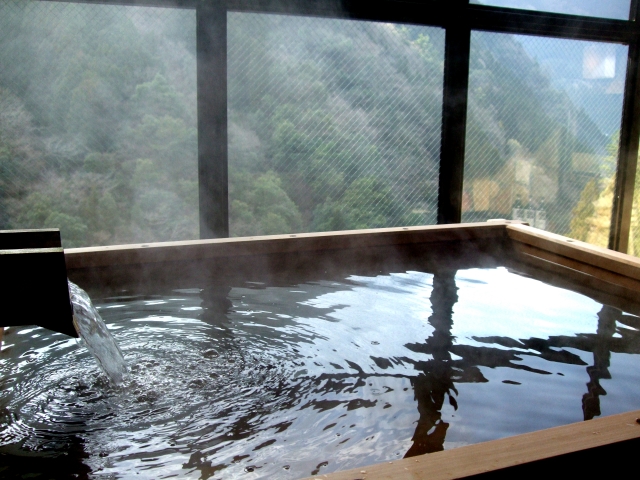
Few experiences are as closely associated with Japan as visiting an onsen.
Whether located in the mountains, by the sea, or within a traditional ryokan, onsen are a unique part of Japanese culture and a popular way to relax after a day of sightseeing.
For first-time visitors, however, the idea of communal bathing and unfamiliar rules can feel a little intimidating. The good news is that once you understand the basics, visiting an onsen can become one of the most memorable parts of your trip.
✨ Planning a trip to Japan and want to feel more confident in real-life situations? Our 2-hour Japanese for Travel Session helps you practise useful phrases for hotels, restaurants, transportation, and cultural experiences such as visiting an onsen. 👉 Travel with confidence — book your session here.
1. What Is an Onsen?
An onsen is a natural hot spring bath that uses geothermally heated water from underground sources.
Hot spring bathing has been enjoyed in Japan for centuries and remains an important part of Japanese culture today.
You may also hear the word sento (public bathhouse). While both involve communal bathing, sento typically use regular heated water, whereas onsen use natural hot spring water.
Many Japanese people visit onsen not only to relax but also to enjoy nature, local food, and traditional hospitality.
2. What to Expect Before Entering
Before entering an onsen, there are a few things you should know.
Most facilities have:
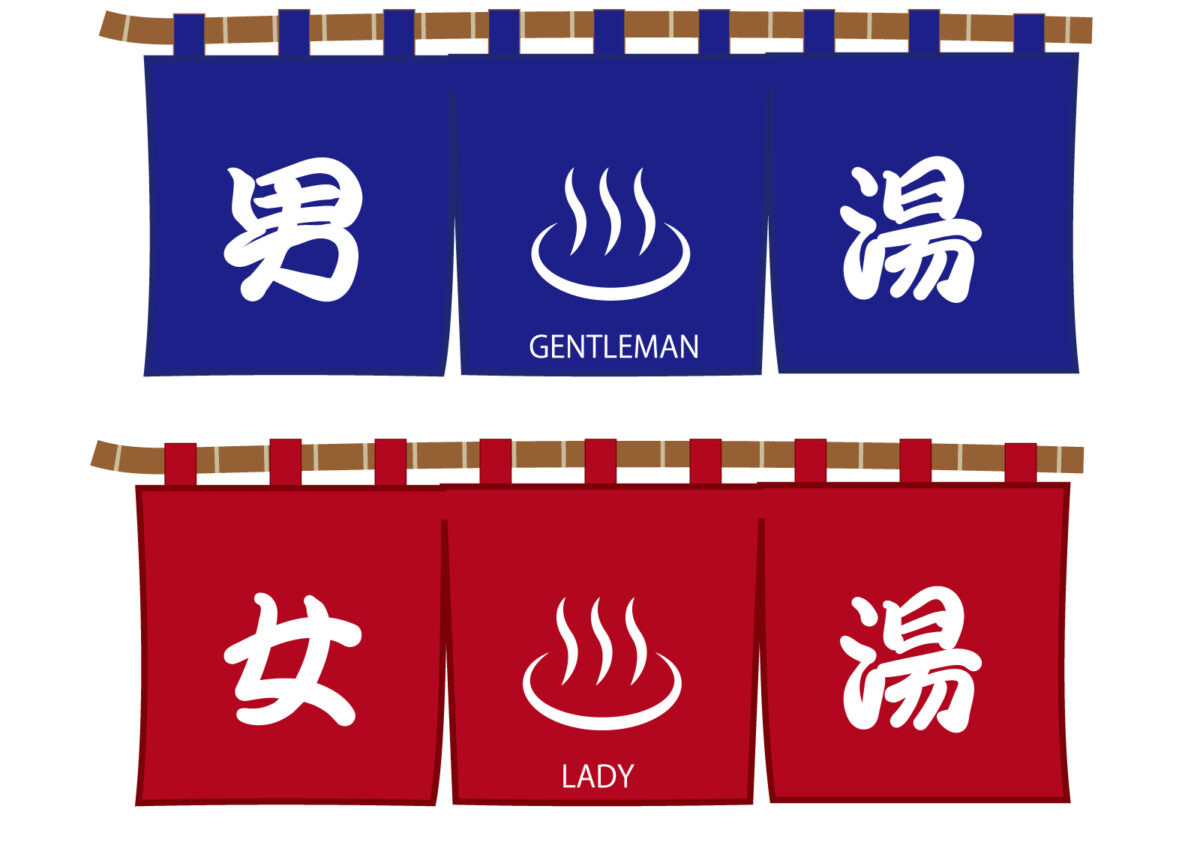
- Separate baths for men and women
- Lockers
- Changing rooms
- Washing areas
You’ll usually remove your shoes when entering the facility and store them in a designated locker or shelf.
After changing, you’ll enter the bathing area before soaking in the hot spring.
The process may feel unfamiliar at first, but signs and staff are often helpful, especially in areas popular with tourists.
3. Basic Onsen Etiquette
Understanding a few simple rules will help you enjoy the experience and respect local customs.
Wash Before Entering
One of the most important rules is to wash your body thoroughly before entering the bath.
Most onsen provide stools, showers, and soap in the washing area.
No Swimsuits
In most traditional onsen, bathing is done without swimsuits.
While this may feel unusual for some visitors, it is considered completely normal in Japan.
Keep the Atmosphere Relaxing
Onsens are generally quiet places.
Speaking softly and avoiding excessive noise helps maintain a relaxing environment for everyone.
Towel Rules
Small towels are commonly used in the bathing area, but they should not be placed in the bath water itself.
Keeping your towel out of the bath is one of the basic onsen etiquette rules to remember.
4. Tattoos and Onsen Rules
One question many foreign visitors have is whether tattoos are allowed.
Policies vary depending on the facility.
Some onsen may restrict entry for guests with visible tattoos, while others welcome tattooed visitors or provide private bathing options.
Because rules differ from place to place, it’s always a good idea to check the facility’s website or contact them directly before visiting.
Fortunately, tattoo-friendly onsen are becoming increasingly common in many parts of Japan.
5. Helpful Japanese Phrases
Here are a few useful phrases that may help during your visit.
タトゥーは大丈夫ですか? Tatū wa daijōbu desu ka? Are tattoos allowed?
ロッカーはどこですか? Rokkā wa doko desu ka? Where are the lockers?
ありがとうございます。 Arigatō gozaimasu. Thank you very much.
Even a few simple phrases can help you feel more comfortable and confident.
Conclusion
Visiting an onsen is more than simply taking a bath — it is an opportunity to experience an important part of Japanese culture.
Although the customs may feel unfamiliar at first, understanding a few basic rules can help you relax and enjoy the experience.
Many travellers discover that visiting an onsen becomes one of the highlights of their trip to Japan.
If you’d like to feel more confident using Japanese in situations such as hotels, restaurants, and cultural experiences, our 2-hour Japanese for Travel Session can help you prepare before your journey.
👉 Learn practical Japanese for real travel situations and book your session here.
Related Guides
Planning your trip? Explore our Travel Planning service, or get ready to speak with confidence through Travel Japanese lessons. For steady, self-paced progress, check out Self-study Support.