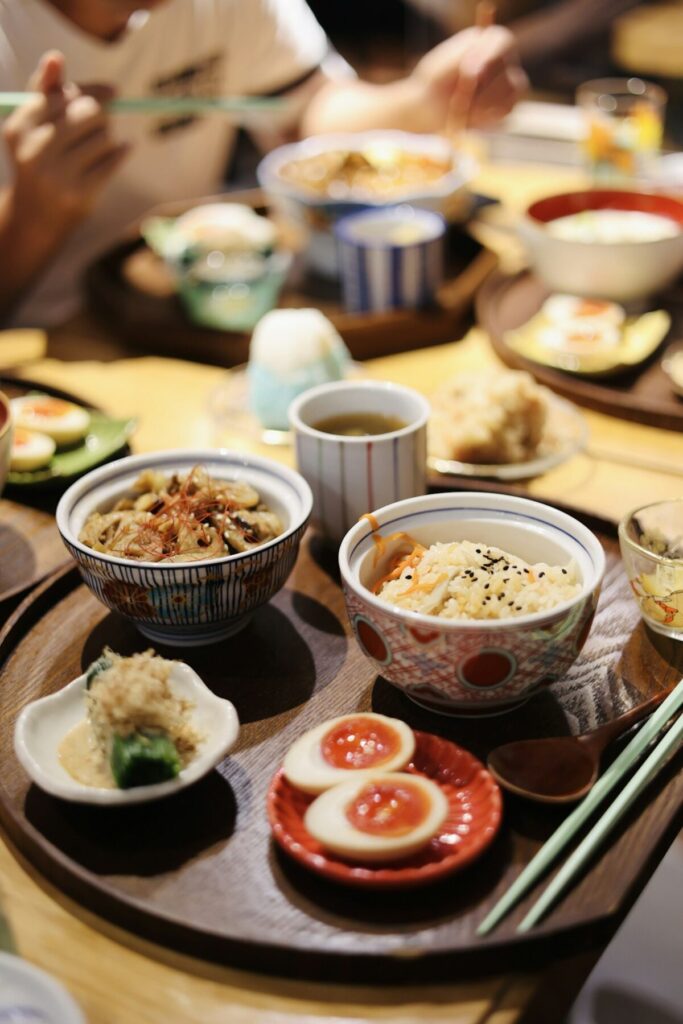
Eating your way around Japan is one of the great joys of any trip — but the first restaurant can feel daunting when you’re faced with a ticket machine, a menu you can’t read, or a staff member calling out a cheerful greeting you don’t recognise. The good news is that ordering food is far easier than it looks, and you rarely need much Japanese at all. This friendly, practical guide explains how to order food in Japan — from ticket-machine ramen shops and conveyor-belt sushi to lively izakaya — so you can walk into any restaurant with confidence. It’s written by a native Japanese team for UK travellers who’d like to eat well and feel at home.
Know the Type of Place You’re In
Half the battle is simply recognising what kind of restaurant you’ve walked into, because that tells you how ordering works. Ramen and gyudon shops often use a ticket machine at the door. Sushi ranges from conveyor-belt (kaiten-zushi) chains to counter restaurants. Izakaya are casual pubs where you share small plates over drinks. Family restaurants (famiresu) have big picture menus and are wonderfully easy. Department-store basements (depachika) and food courts let you point and pay. And cafés are relaxed spots to order at the counter — our guide to Japanese cafés covers those in detail. Once you can name the type of place, the rest falls into step.
Ticket Machines (Shokken-ki)
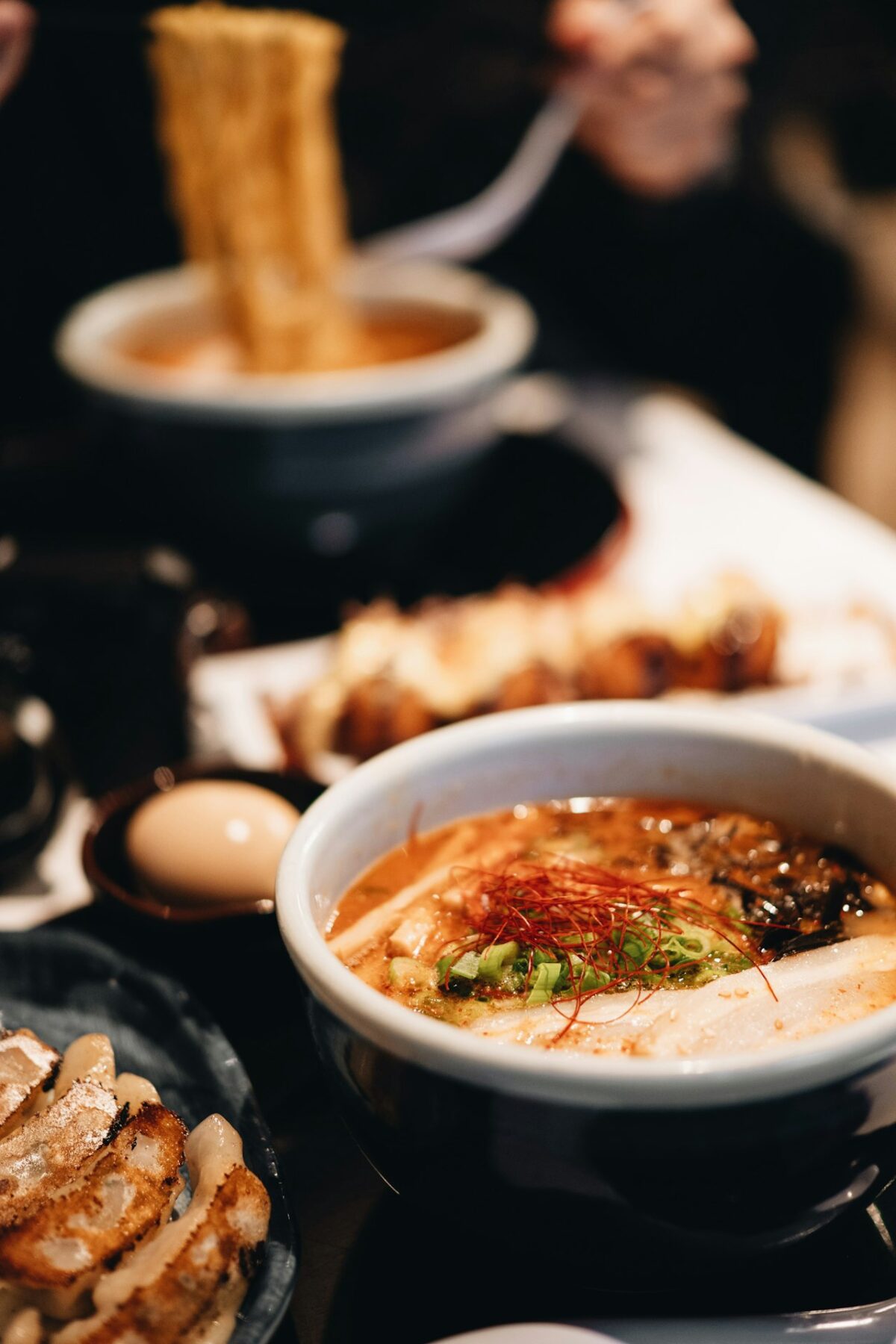
Many ramen, curry and set-meal shops use a vending machine called a shokken-ki, and it’s simpler than it first appears. You buy a meal ticket before you sit down: insert your cash (many now take IC cards too), press the button for your dish, and take the little ticket that pops out along with any change. Most machines have photos on the buttons, and an increasing number offer an English-language button in the corner. Hand the ticket to the staff at the counter — or place it on the counter in front of your seat — and your food will arrive shortly. If you’re unsure which button is which, the top-left buttons are usually the shop’s signature dishes, and staff are always happy to point.
Getting Seated and Calling Staff
As you walk in you’ll hear a warm “Irasshaimase!” (“Welcome!”) — there’s no need to reply; a smile or nod is plenty. Staff will often ask how many are in your party, so holding up fingers works perfectly. At some places you wait to be seated; at casual spots you seat yourself. When you’re ready to order, many restaurants have a call button on the table — press it and someone will come. If there’s no button, a polite “Sumimasen” (“excuse me”) across the room is completely normal and not considered rude. Water or tea is usually brought to you free of charge, so you can settle in before deciding.
Menus Made Easy
Japanese menus are some of the most visitor-friendly anywhere. Many restaurants display astonishingly realistic plastic food models in the window, so you can literally point to what you want. Photo menus are everywhere, English menus are increasingly common in tourist areas, and a growing number of places use a QR code that opens a menu on your phone — often with a language option. When all else fails, pointing at a dish and saying “Kore o kudasai” (“This one, please”) is a time-honoured method that always works. If you’d like a recommendation, “Osusume wa nan desu ka?” asks the staff for their suggestion, which is a lovely way to try a house specialty.
Conveyor-Belt Sushi and Touch Panels
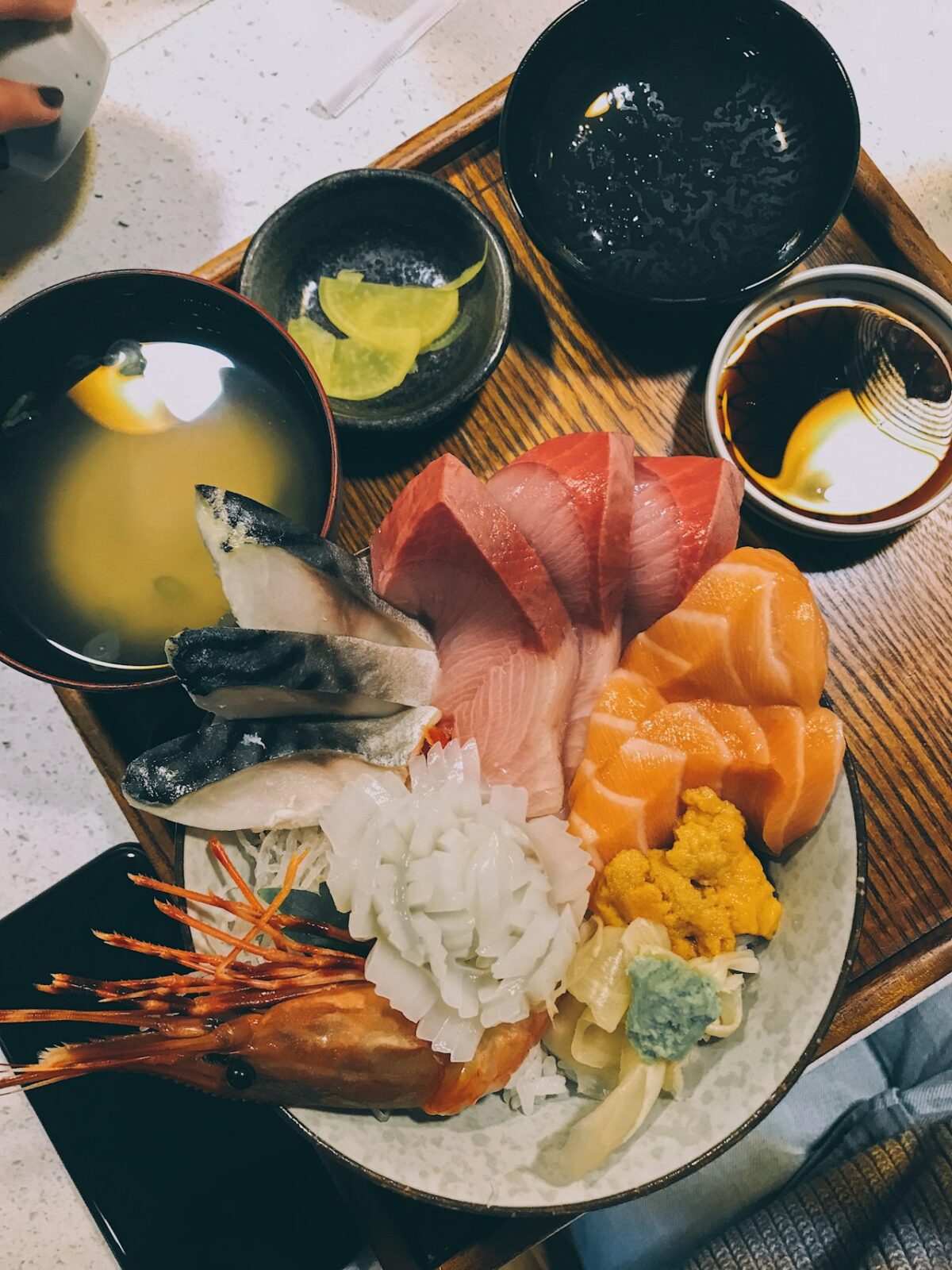
Conveyor-belt sushi (kaiten-zushi) is a brilliant, low-pressure introduction to sushi. Plates circle past on a belt and you simply take what appeals; the plate’s colour or pattern indicates the price, and the bill is worked out by counting your stacked plates at the end. Most chains now also have a touch-screen panel at your seat where you order specific items to be made fresh, often delivered on a little express lane. Green tea powder and a hot-water tap are usually built into the counter, so you can make your own tea. It’s interactive, inexpensive and genuinely fun — and a relaxed way to taste a wide range of sushi at your own pace.
Izakaya Basics
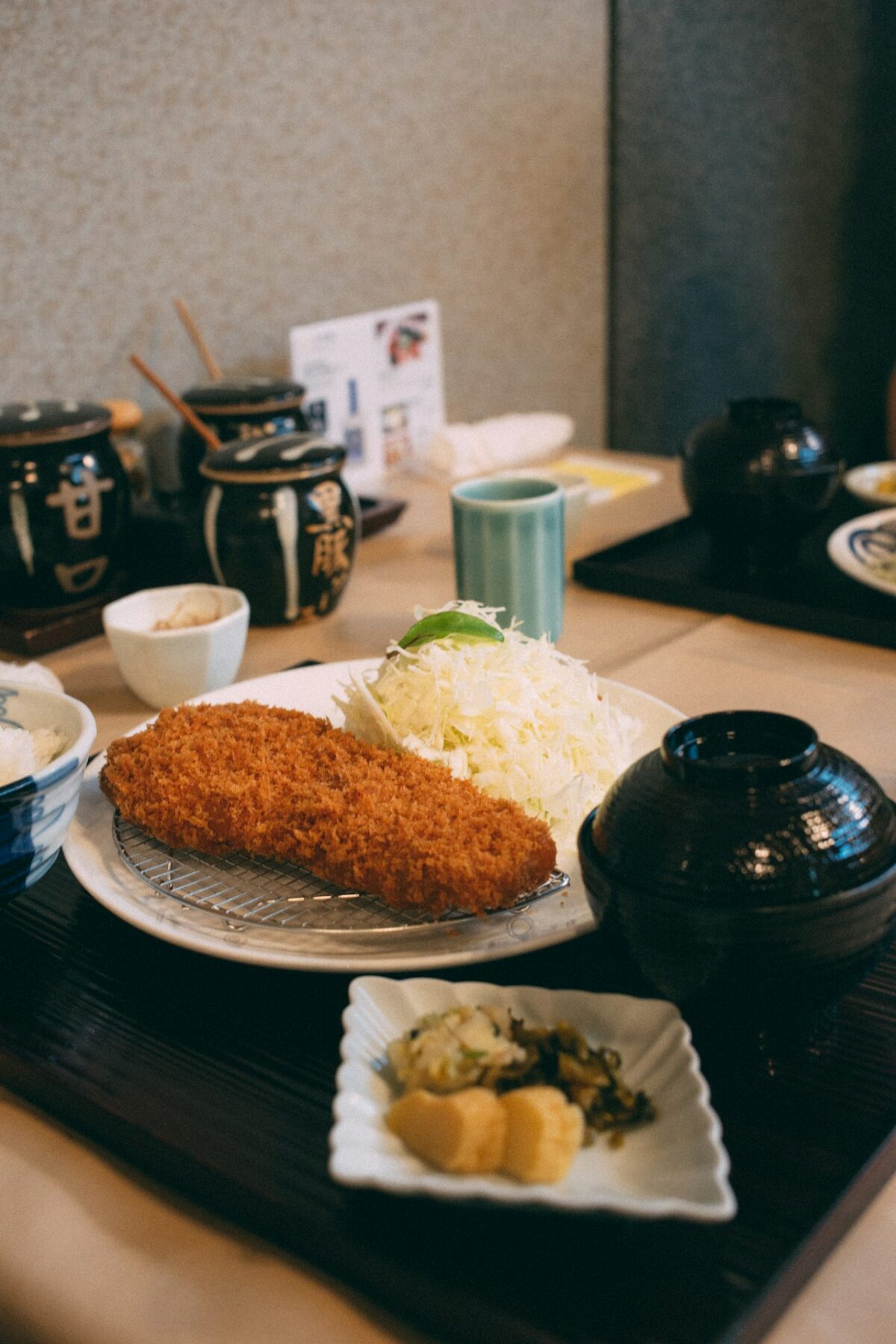
An izakaya is a casual Japanese pub, and it’s one of the most enjoyable places to eat — a spread of small dishes shared over drinks. A few customs are worth knowing. You’ll often be brought a small starter dish called otoshi, which comes with a modest seating charge; this is normal and not a scam. It’s customary to order drinks first (“Toriaezu nama” — “a draught beer to start” — is the classic opener), then choose a handful of small plates to share and order more in rounds as you go. Some izakaya offer nomihōdai (all-you-can-drink) for a set time. Relax, share, and order little by little — that’s exactly how it’s meant to be enjoyed.
Paying the Bill
In most Japanese restaurants you pay at the register by the entrance rather than at your table, so when you’re finished, bring your bill (or table token) to the front. Cash is still widely used, though IC cards and contactless are increasingly accepted, especially in cities. One happy difference from the UK: there is no tipping in Japan — the price you see is the price you pay, and trying to leave extra can cause polite confusion. Splitting the bill item by item isn’t the norm, so it’s easiest to divide the total between you or take turns treating each other. A cheerful “Gochisōsama deshita” (“thank you for the meal”) on the way out is always appreciated.
Ordering with Dietary Needs
Eating with dietary requirements takes a little care, because ingredients like dashi (a fish-based stock) appear in many seemingly vegetable dishes. Carrying a written card in Japanese explaining your needs is the single most reliable tool, and a translation app helps you check specific ingredients. Asking “~ wa haitte imasu ka?” (“does it contain ~?”) is a useful phrase. For a full rundown of what to look for and where to eat, see our guide to eating vegetarian and vegan in Japan, which covers hidden ingredients and traveller-friendly options in depth.
Useful Phrases for Ordering
- すみません (Sumimasen) — Excuse me / to call staff
- メニューをください (Menyū o kudasai) — The menu, please
- これをください (Kore o kudasai) — This one, please (while pointing)
- おすすめは何ですか? (Osusume wa nan desu ka?) — What do you recommend?
- 〜は入っていますか? (~ wa haitte imasu ka?) — Does it contain ~?
- お会計をお願いします (Okaikei o onegai shimasu) — The bill, please
- ごちそうさまでした (Gochisōsama deshita) — Thank you for the meal
Vending Machines, Konbini and Standing Restaurants
Not every meal happens at a table, and some of Japan’s most convenient food is the quickest to order. Convenience stores (konbini) sell genuinely good hot and cold food — onigiri rice balls, bento boxes, fried chicken and noodles — and staff will heat a bento for you if you say “Atatamete kudasai” (“please warm it up”). Vending machines are everywhere, dispensing hot and cold drinks and, in some spots, soup and snacks. For a fast, cheap and delicious meal, standing soba and udon counters near stations let you buy a ticket, hand it over and eat a steaming bowl in minutes. These options are perfect for busy sightseeing days when you want to keep moving.
Reservations, Queues and Peak Times
Popular restaurants can be busy, but the systems for waiting are orderly and easy to follow. At many places you simply join a neat queue; others have a clipboard or a ticket machine where you write your name and party size and wait to be called. Lunchtime teishoku (set meals) are superb value and a lovely way to try a balanced Japanese meal — a main, rice, miso soup and pickles for a very fair price. If you have your heart set on a small or famous restaurant, going slightly before or after the noon and evening rushes gives you the best chance of a table, and a hotel concierge can call ahead for you if a reservation is needed. For higher-end places — especially sushi counters and restaurants featured in guidebooks — it is wise to book ahead, sometimes only by phone or through a hotel concierge.
Standing Bars and Chain Restaurants
Two more styles are worth knowing. Standing bars (tachinomi) and quick counter eateries are cheap, friendly, and a great way to eat like a local — you order a few small dishes and drinks at the counter and, yes, you eat standing up. Chain restaurants, meanwhile, are a reliable fallback: beef-bowl (gyudon) shops, family restaurants, and curry chains all have picture menus or ticket machines, English options, and consistent, affordable food. When you’re tired or short on time, they take all the guesswork out of ordering.
A Few Table Manners to Start With
You don’t need to master etiquette to enjoy eating out, but a few basics help you feel at ease. It’s customary to say “itadakimasu” before you eat and “gochisousama deshita” when you finish. Use the wet towel (oshibori) for your hands, feel free to lift small rice and soup bowls towards you, and don’t worry — slurping noodles is completely acceptable. For the full picture, see our guide to Japanese dining etiquette.
Conclusion
Ordering food in Japan is really a set of small, friendly systems — a ticket machine here, a touch panel there, a call button on the table — and once you’ve met each one, they quickly become second nature. Recognise the type of place, use the photos and models, don’t be shy about pointing, and remember there’s no tipping to puzzle over. With those few habits, every meal becomes an easy pleasure rather than a hurdle, and you’re free to be adventurous with what you try.
Want to walk in and order a few things yourself, with confidence? A short, focused burst of Travel Japanese covers exactly these everyday situations — you can book a fast-track session before your trip and arrive ready to enjoy the food.
About Iroha Passport
Iroha Passport is a London-based Japanese language and travel service with over six years of experience. Our native Japanese team offers honest, practical guidance and short, focused Travel Japanese preparation. By Iroha Passport.