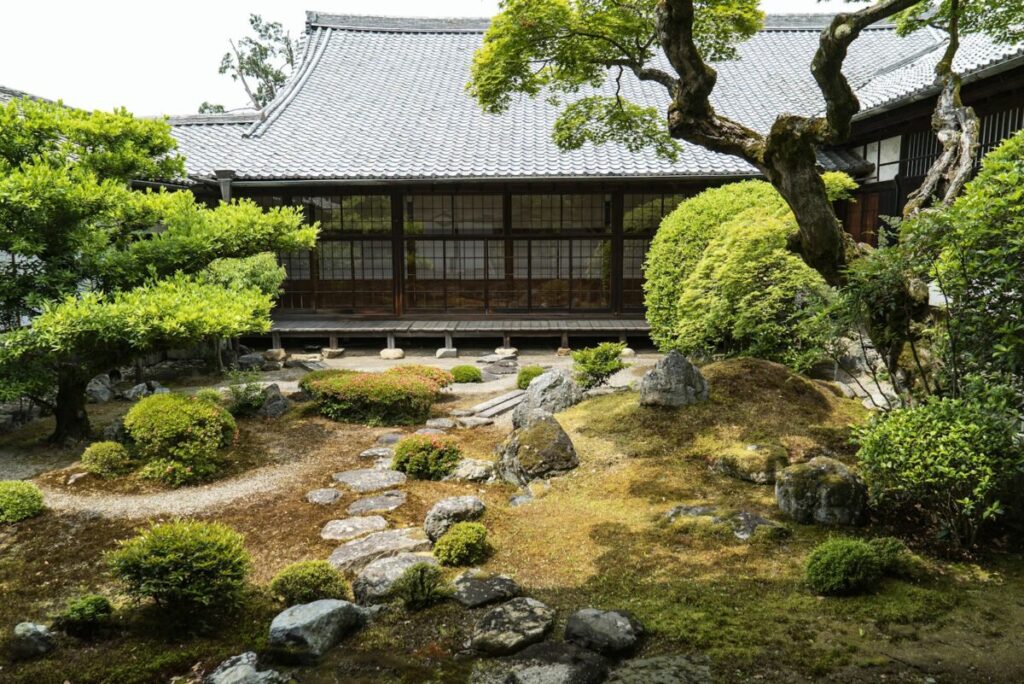
Japanese people are famously warm and forgiving toward visitors, and no one expects you to know every custom. Still, a little awareness goes a long way, and understanding a few everyday rules helps you feel relaxed rather than self-conscious. This friendly guide to Japan etiquette for tourists covers the cultural rules in Japan that UK visitors most often miss — the small, kind habits that smooth daily life. Written by a native Japanese team, it’s meant to build your confidence, not to make you anxious: get the big ones right and a warm smile covers the rest.
Shoes Off Indoors
One of the most important customs is removing your shoes when entering homes, traditional inns (ryokan), many temples, and some restaurants and guesthouses. The signal is usually a small step up at the entrance (the genkan) and a shoe rack or slippers waiting for you. Slip your shoes off, point them neatly toward the door, and change into the slippers provided. Watch for a second switch, too: you’ll swap into separate toilet slippers in the bathroom and change back afterwards — a detail visitors often forget. Wearing clean, hole-free socks saves any embarrassment, and once you’re in the habit it feels completely natural. Our guide to Japanese toilets covers the slipper switch in more detail.
Bowing and Greetings
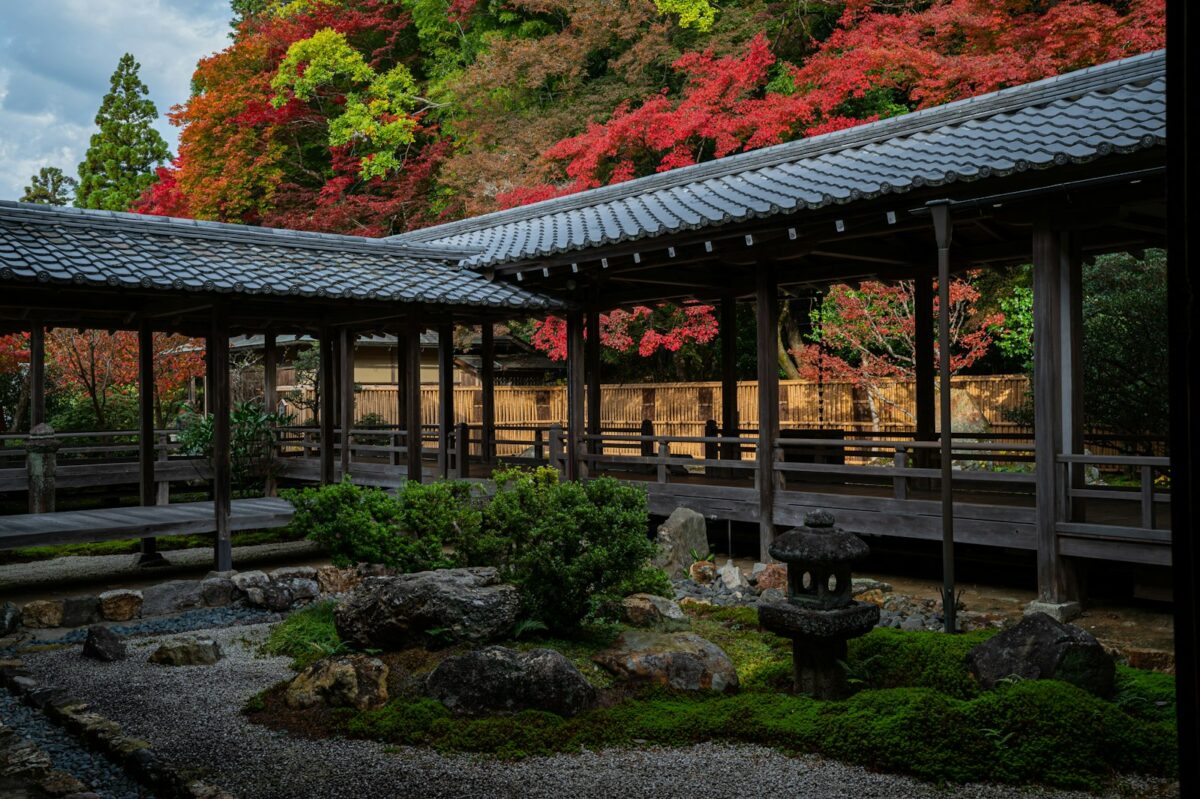
Bowing is woven through daily life in Japan — a greeting, a thank-you, an apology and a sign of respect all at once. As a visitor you don’t need to master the finer degrees; a small, sincere nod of the head in response to someone’s bow is perfectly polite and warmly received. Handshakes are understood in business settings, but a bow is the natural default. You’ll notice staff bowing as you enter and leave shops; there’s no need to reciprocate every time, but acknowledging people with a nod and a smile goes down well. The underlying spirit — a little humility and consideration for others — matters far more than perfect form.
Keep It Quiet in Public
Public spaces in Japan are noticeably calm, and matching that tone is one of the easiest ways to blend in. On trains and buses, conversations are kept low and phones are switched to silent (manaa mōdo, “manner mode”); taking a phone call on board is considered inconsiderate, so people step off or wait. The same gentle quiet applies in restaurants, museums and temples. It isn’t about being unfriendly — Japanese people are lively among friends — but about not imposing on strangers sharing the space. Lowering your voice a notch, especially in a group, is appreciated more than you might realise.
On Trains and Escalators
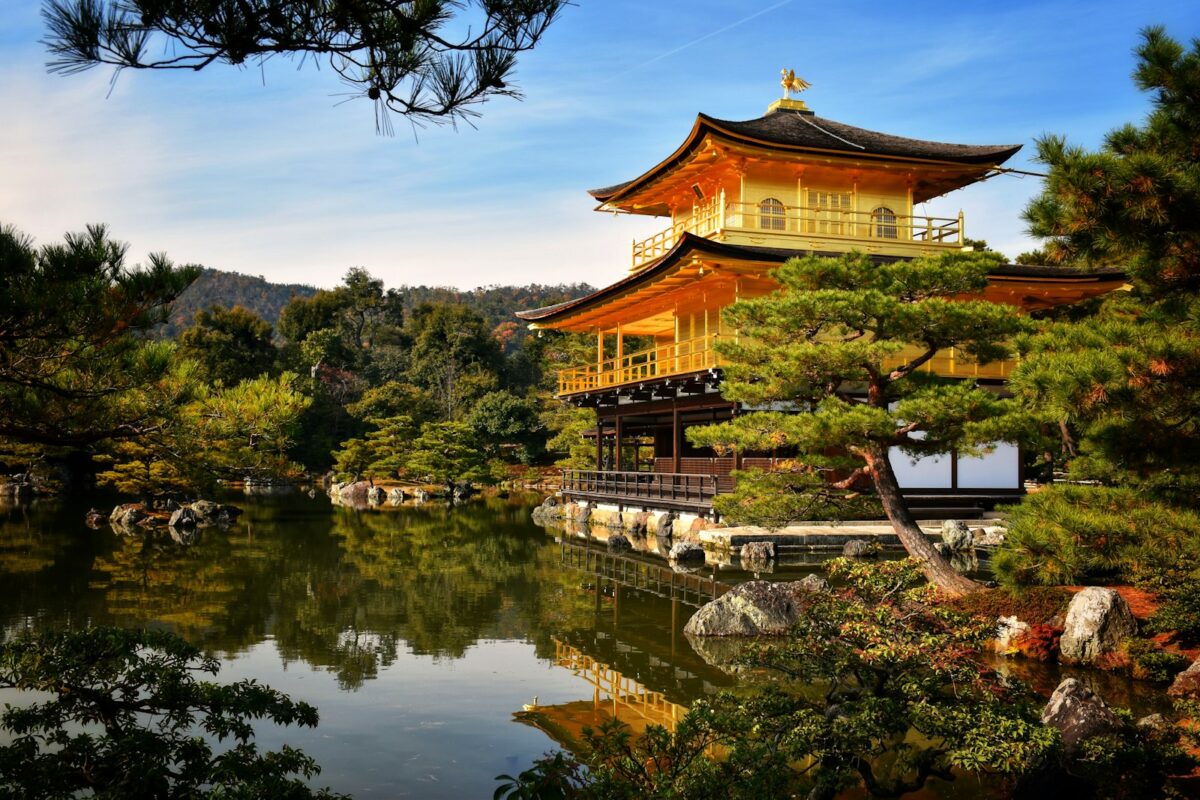
A few transport habits are worth knowing. Priority seats are reserved for elderly, disabled and pregnant passengers and parents with young children, so leave them free unless the carriage is empty. Eating on local commuter trains is generally avoided, though it’s fine on long-distance and bullet trains. On escalators, people traditionally stand on one side and leave the other clear for those walking — on the left in Tokyo and much of eastern Japan, on the right in Osaka and the west — although stations increasingly ask everyone to simply stand still on both steps for safety, so follow the signs and the crowd. When boarding a train, let passengers off first and queue at the marked lines on the platform.
Queue and Wait Your Turn
Orderly queuing is close to a national art form, and it makes everyday life wonderfully smooth. You’ll see neat lines painted on station platforms showing where to stand, and people wait patiently for buses, lifts, shops and restaurants without pushing. When a train arrives, everyone stands aside to let passengers off before boarding. Simply joining the line and waiting your turn — rather than drifting toward the front — instantly marks you as a considerate visitor, and it takes no effort at all once you notice the rhythm.
Chopstick and Table Manners
A couple of chopstick rules are worth remembering because they carry meaning: never stand chopsticks upright in a bowl of rice, and don’t pass food chopstick-to-chopstick, as both gestures echo funeral customs. Otherwise, table manners are relaxed — slurping noodles is perfectly acceptable and even a compliment, and saying itadakimasu before eating and gochisōsama afterwards is a lovely habit to adopt. For the full picture, our guide to Japanese dining etiquette covers table manners in depth.
Onsen and Bathing Etiquette
Hot springs (onsen) and public baths have their own gentle rules, the key one being that you wash and rinse thoroughly at the shower stations before entering the shared bath, which is for soaking rather than cleaning. Bathing is done without swimwear, and the small towel stays out of the water. It’s simpler than it sounds once you’ve done it once — our onsen guide for first-timers walks through the whole experience step by step.
Gifts, Money, and Tipping
Two money customs surprise many UK visitors. First, there is no tipping in Japan — good service is simply the standard, and leaving extra can cause polite confusion or even embarrass staff. The price on the bill is what you pay. Second, cash is handled with a little ceremony: at shops and restaurants you’ll usually place your money on the small tray provided rather than into the cashier’s hand, and it’s received with both hands. If you’re given a gift or souvenir, a modest show of gratitude is appreciated, and gifts are often politely opened later rather than on the spot. And when visiting someone’s home, bringing a small souvenir (omiyage) is a warm gesture, offered and received with both hands.
Temples, Shrines, and Photos
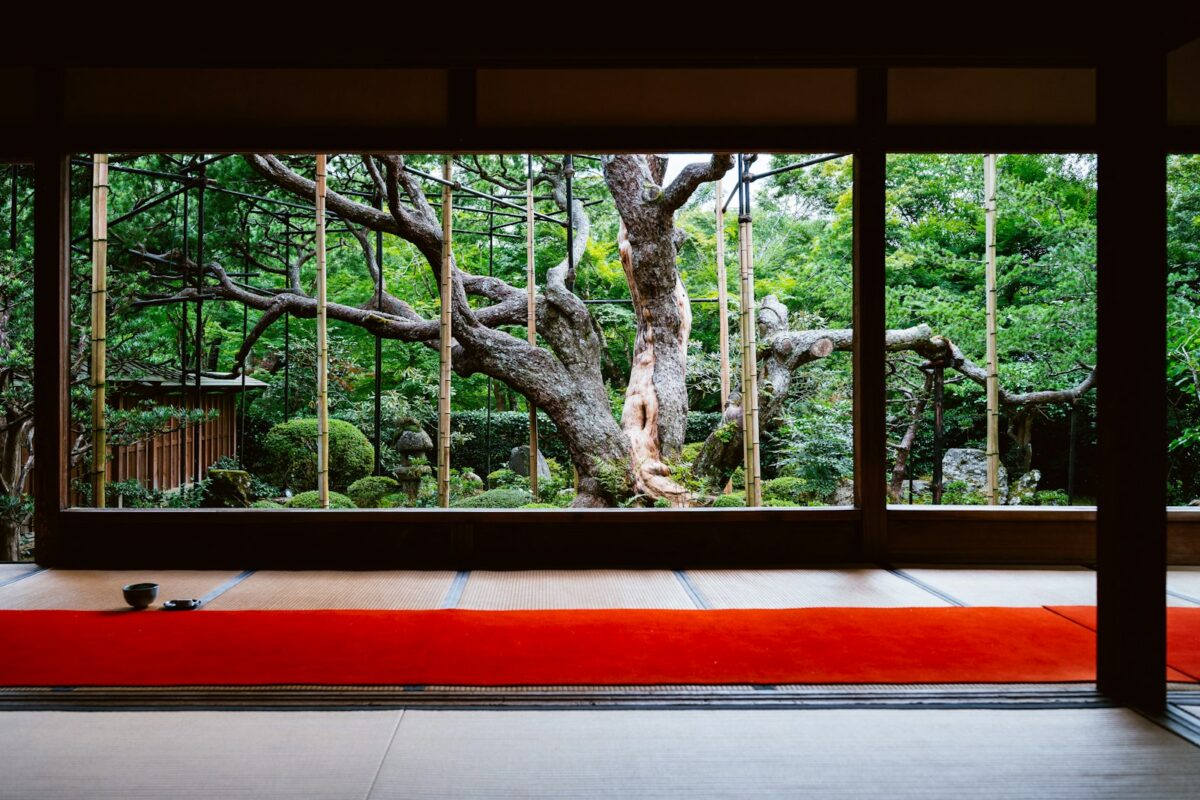
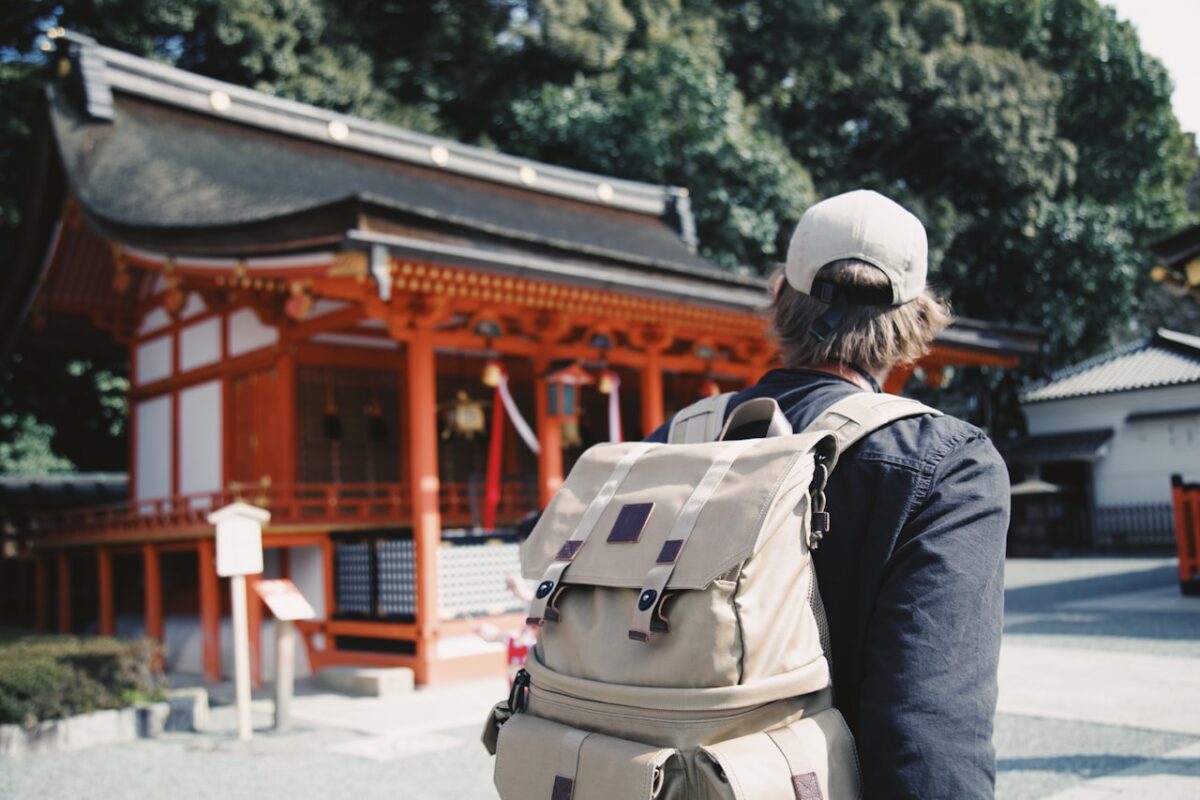
Temples and shrines are living places of worship as well as sights, and a respectful manner is appreciated. Keep your voice low, follow any marked routes, and look for signs about photography — many halls and inner sanctuaries ask you not to take photos, and it’s polite to avoid photographing people at prayer. There’s often a purification fountain near the entrance for rinsing your hands before you approach. For the proper way to visit, including how to make an offering and pray, see our guide to visiting shrines and temples.
When in Doubt, Watch and Follow
If you’re ever unsure what to do, the simplest and most reliable rule is to pause and watch what the people around you are doing, then follow their lead. The Japanese are observant and understanding with visitors, and a genuine effort to be considerate is always noticed and appreciated. Nobody expects perfection — a little attentiveness and a warm attitude carry you through almost any situation gracefully.
Eating, Drinking and Rubbish in Public
Japan has a gentle custom of not eating while walking. Instead, people enjoy street food standing beside the stall or step to one side to finish a snack before moving on, and they drink beside a vending machine rather than wandering off with an open can. You’ll also notice how clean the streets are despite there being very few public bins — the expectation is that you carry your rubbish with you until you find a bin (often by convenience stores or vending machines) or back to your accommodation. Sorting it correctly matters too; our guide to Japan’s rubbish and recycling rules explains the bins at a glance. Smoking is generally confined to designated smoking areas rather than done while walking, and many restaurants and indoor spaces are non-smoking. These small habits are a big part of why public spaces feel so pleasant.
Small Courtesies That Go a Long Way
A handful of tiny gestures make a warm impression. Learning even a few words — konnichiwa (hello), arigatō gozaimasu (thank you) and sumimasen (excuse me / sorry) — is genuinely appreciated and instantly friendly. It’s considered polite to cover your mouth when using a toothpick and to avoid blowing your nose loudly in public; stepping aside quietly is the norm. Rather than pointing at people with a finger, gesture with an open hand. And if someone hands you a business card, receive it with both hands and a moment’s attention rather than pocketing it straight away. None of this is complicated — it’s simply a mindset of quiet consideration, and it’s warmly returned.
A Few Polite Words to Know
Keeping these on hand will carry you through most everyday moments with grace:
- こんにちは (Konnichiwa) — Hello
- ありがとうございます (Arigatō gozaimasu) — Thank you
- すみません (Sumimasen) — Excuse me / Sorry
- お願いします (Onegai shimasu) — Please
- 大丈夫です (Daijōbu desu) — I’m fine / It’s okay, no thank you
- いただきます / ごちそうさまでした (Itadakimasu / Gochisōsama deshita) — Before and after a meal
Conclusion
Japanese etiquette comes down to a single, generous idea: consideration for the people and places around you. Take your shoes off where you should, keep public spaces calm, queue patiently, skip the tip, and be respectful at temples — and the finer points look after themselves. These small courtesies aren’t hurdles; they’re part of what makes travelling in Japan feel so smooth and welcoming, and locals warmly appreciate visitors who make the effort.
Want to add a few polite words and phrases to your good manners before you go? A short, focused Travel Japanese session covers exactly the greetings and everyday expressions that put a smile on people’s faces — you can book a fast-track session ahead of your trip.
About Iroha Passport
Iroha Passport is a London-based Japanese language and travel service with over six years of experience. Our native Japanese team offers honest, practical guidance and short, focused Travel Japanese preparation. By Iroha Passport.