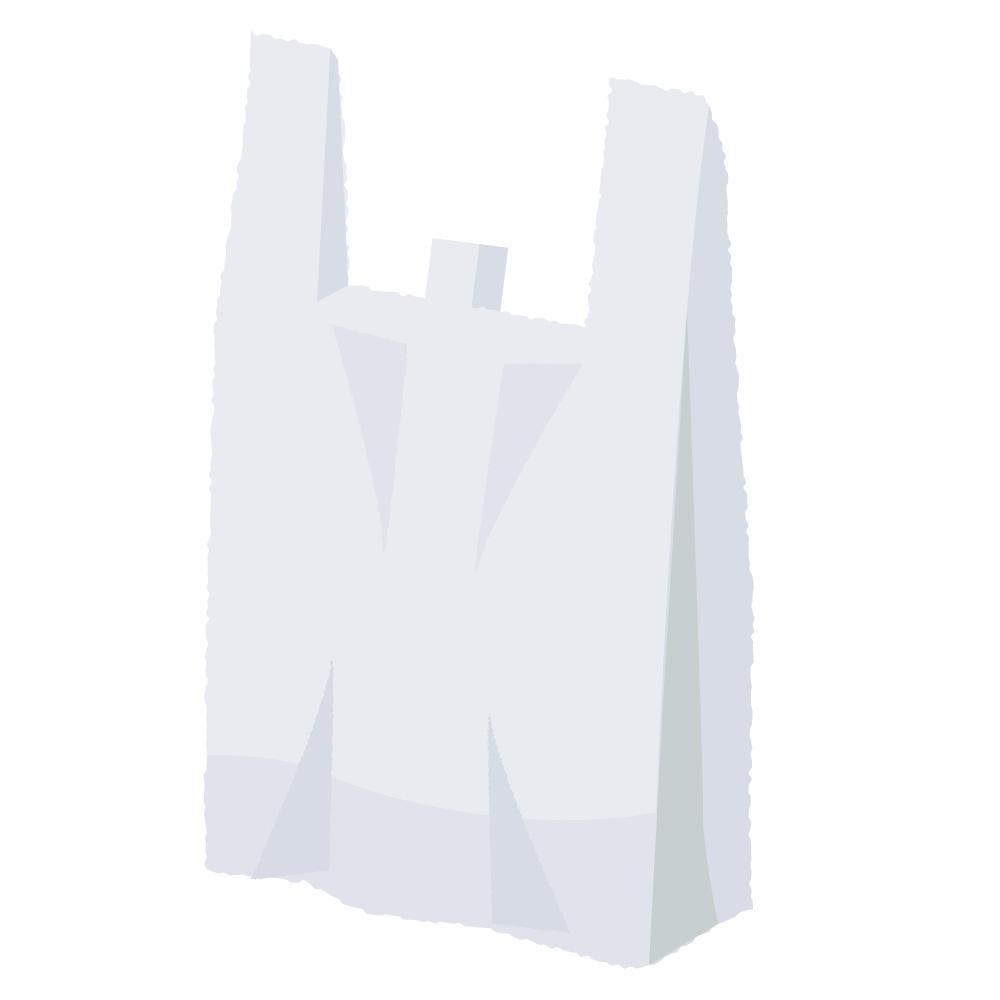
One of the biggest surprises for many first-time visitors to Japan is how hard it can be to find a public rubbish bin. Despite the famously clean streets, you may walk for a while before spotting somewhere to throw away a drink bottle or snack wrapper. Rather than leave rubbish behind, most people simply carry it with them until they find the right place.
Once you understand a few simple rules, dealing with rubbish in Japan becomes easy — and learning about the country’s recycling culture is another interesting way to experience its respect for shared public spaces. If it is your first trip, you may also enjoy our overview of things that surprise first-time visitors to Japan.
Planning a trip and want to feel more confident in everyday situations? Our 2-hour Japanese for Travel Session helps you practise practical Japanese for shops, restaurants, and stations. Book your session here.
1. Why Are There So Few Public Bins?
Many visitors notice that Japan has fewer public rubbish bins than they expected. Although the reasons are complex, it is common for people to take their rubbish home or dispose of it later in an appropriate place, so there is generally less need for public bins than in some other countries. This often surprises travellers from the UK, where bins are usually easy to find in town centres and parks. If you buy a drink or snack while sightseeing, don’t be surprised if you keep the empty container in your bag for a while — carrying a small plastic bag for your rubbish makes travelling much more convenient.
2. How to Sort Your Rubbish
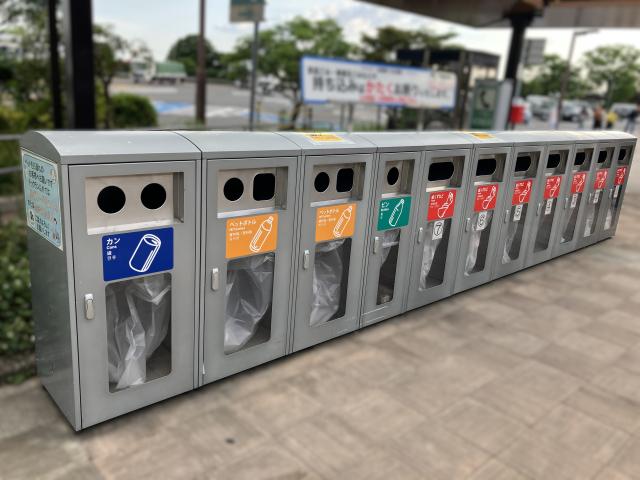
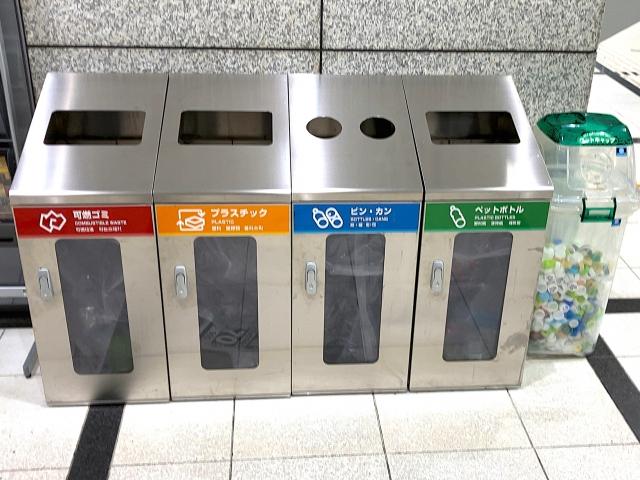
Japan is well known for recycling and separating rubbish. The rules vary by city, town, or facility, so you don’t need to memorise every category — simply follow the signs where you are. You may see separate bins for burnable rubbish, plastic (PET) bottles, cans, glass bottles, and paper. Before recycling a plastic bottle, you may also be asked to remove the cap and label, though instructions differ by location. If you are unsure, check the signs or ask a member of staff.
3. Where Can You Throw Things Away?
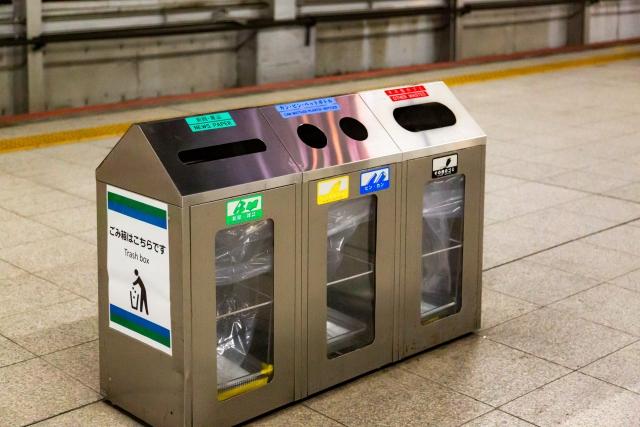
Even though public bins are limited, there are still several places to dispose of rubbish. Common spots include convenience stores, train stations, hotels, tourist attractions, and some shopping centres. Remember that rules differ by facility: bins at convenience stores are generally for items bought there, and some stations only provide bins inside the ticket gates. Hotels usually have bins in guest rooms and shared areas, making them one of the easiest places to dispose of rubbish during your stay. If you can’t find a bin immediately, simply keep your rubbish with you until you reach an appropriate place — this is completely normal in Japan.
4. Common Etiquette
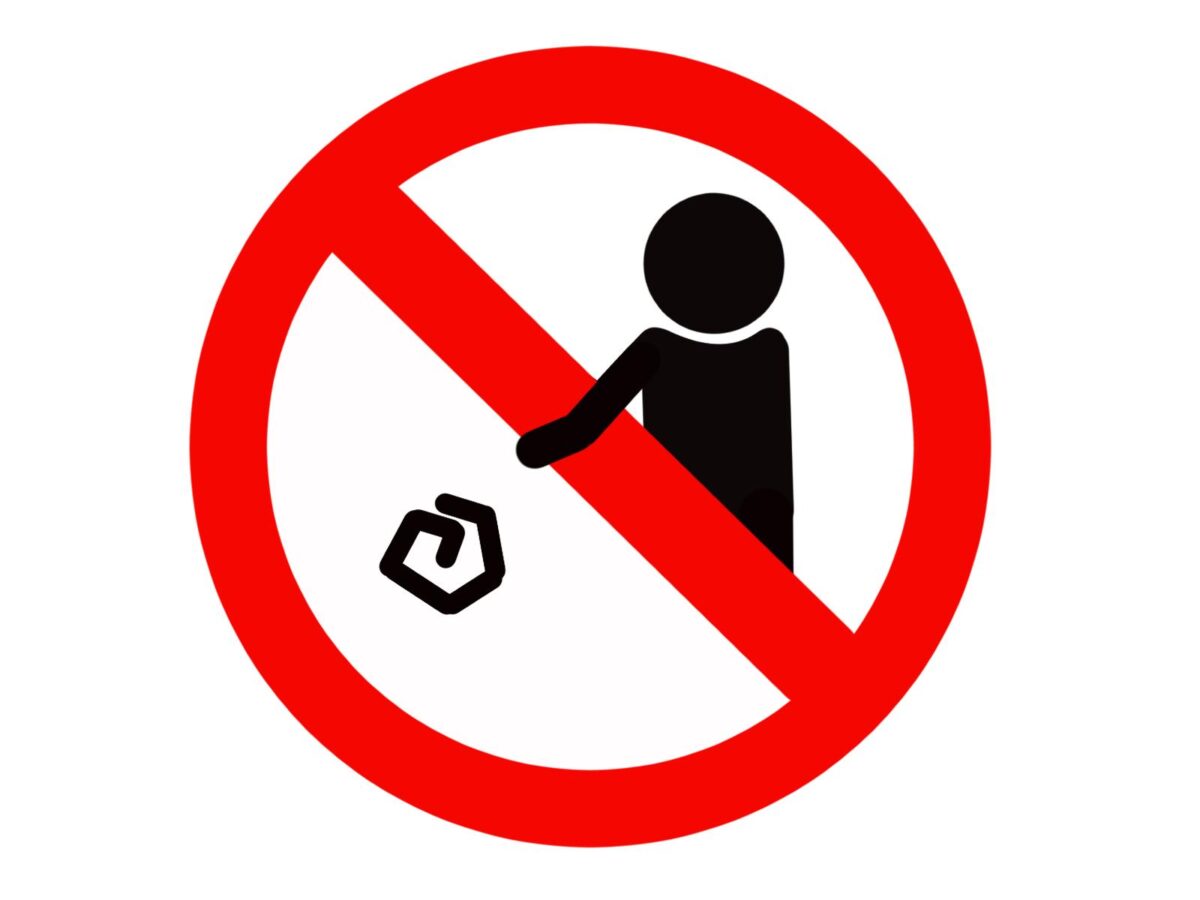
Knowing a few simple manners helps you travel comfortably and shows respect for local customs. The most important rule is not to litter. Japan is known for its clean streets, and many people take pride in keeping public spaces tidy. If you can’t find a bin, keep your rubbish with you until you reach a suitable place. It’s also worth paying attention to signs near bins: some are only for certain types of waste, and others are only for customers or visitors of a particular facility.
5. Useful Japanese Words
You may see these words when looking for a place to throw away rubbish:
- ゴミ箱 (gomibako) — rubbish bin
- 燃えるゴミ (moeru gomi) — burnable rubbish
- ペットボトル (petto botoru) — plastic bottle
- 缶 (kan) — can
- 瓶 (bin) — glass bottle
- リサイクル (risaikuru) — recycling
- 分別 (bunbetsu) — sorting rubbish
Learning just a few of these makes it easier to understand signs in stations, supermarkets, and tourist attractions.
6. Helpful Japanese Phrases
Here are some useful phrases for dealing with rubbish during your trip:
- ゴミ箱はどこですか? (Gomibako wa doko desu ka?) — Where is the rubbish bin?
- ここに捨ててもいいですか? (Koko ni sutete mo ii desu ka?) — Can I throw this away here?
- ありがとうございます。 (Arigatou gozaimasu.) — Thank you very much.
Even simple Japanese phrases make asking for help feel easier and are often appreciated by local people.
Conclusion
Japan’s rubbish rules may seem unusual at first, but they quickly become part of the travel experience. By carrying your rubbish until you find an appropriate bin, following local recycling signs, and respecting shared spaces, you can easily adapt to Japan’s everyday customs — and gain a better appreciation of the care Japan puts into keeping public spaces clean.
If you’d like to feel more confident using Japanese in real situations such as asking questions, shopping, and getting around, our Japanese for Travel Session can help you prepare before your trip. Book your session here.
About Iroha Passport
Iroha Passport is a London-based Japanese language service with over six years of experience helping learners and travellers. Our lessons are taught by native Japanese teachers who speak fluent English, both online and in person in London. We also offer short, focused Travel Japanese sessions for people preparing for a trip. By Iroha Passport.