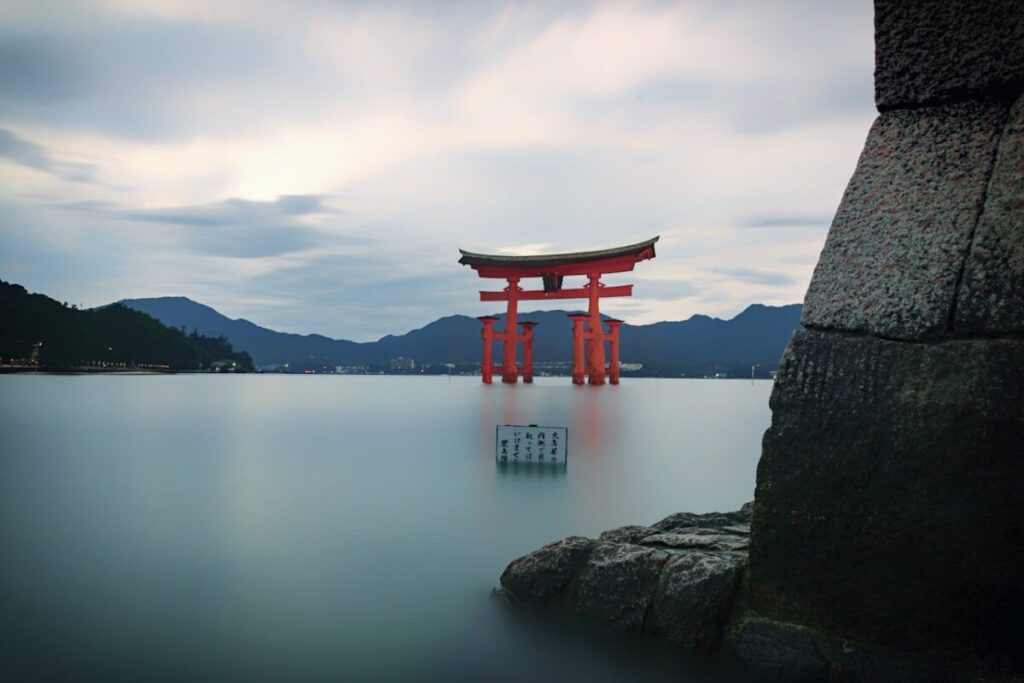
Shrines and temples are among the most beautiful and moving places you’ll visit in Japan — serene, atmospheric, and steeped in centuries of tradition. They’re also living places of worship, so knowing a little about how to behave lets you take part respectfully and get far more from the experience. This guide explains how to visit a shrine in Japan, the differences between shrines and temples, and the shrine and temple etiquette that helps you feel like a welcome guest rather than an unsure onlooker. Written by a native Japanese team for UK travellers, it walks through each step simply, so you can approach these special places with quiet confidence.
Shrines vs Temples: What’s the Difference?
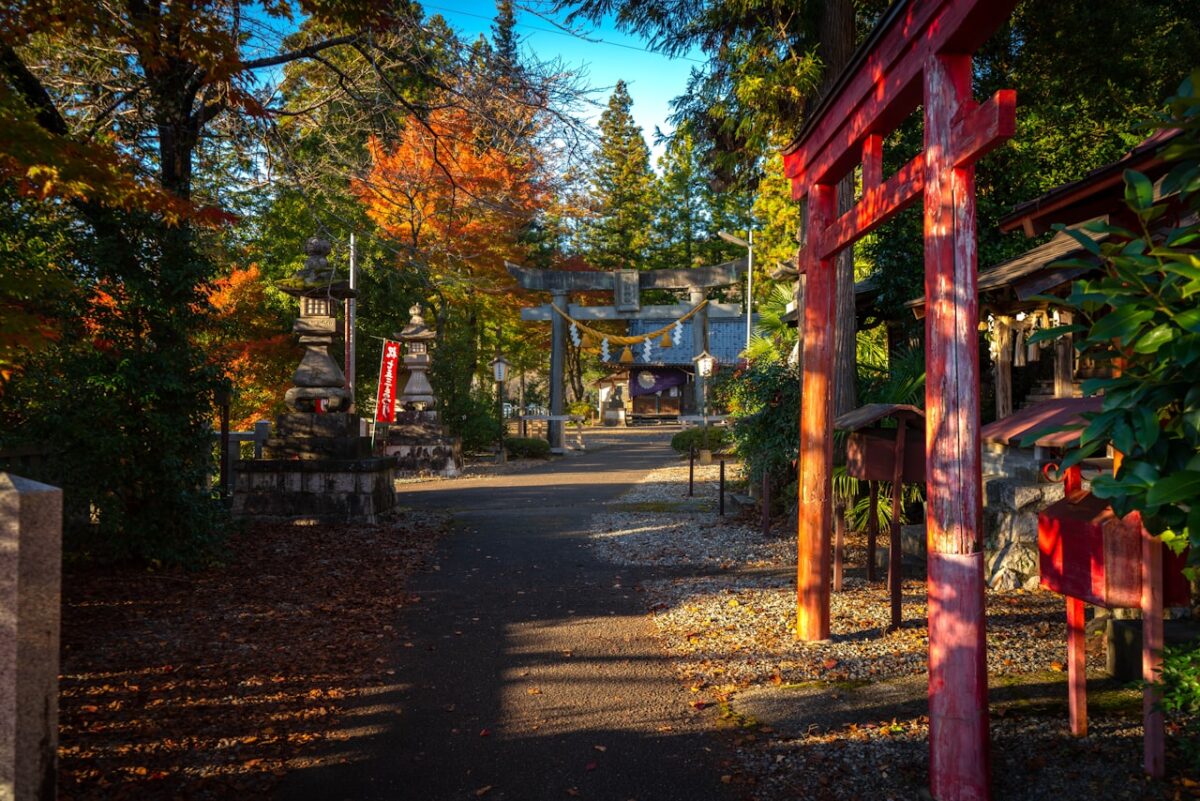
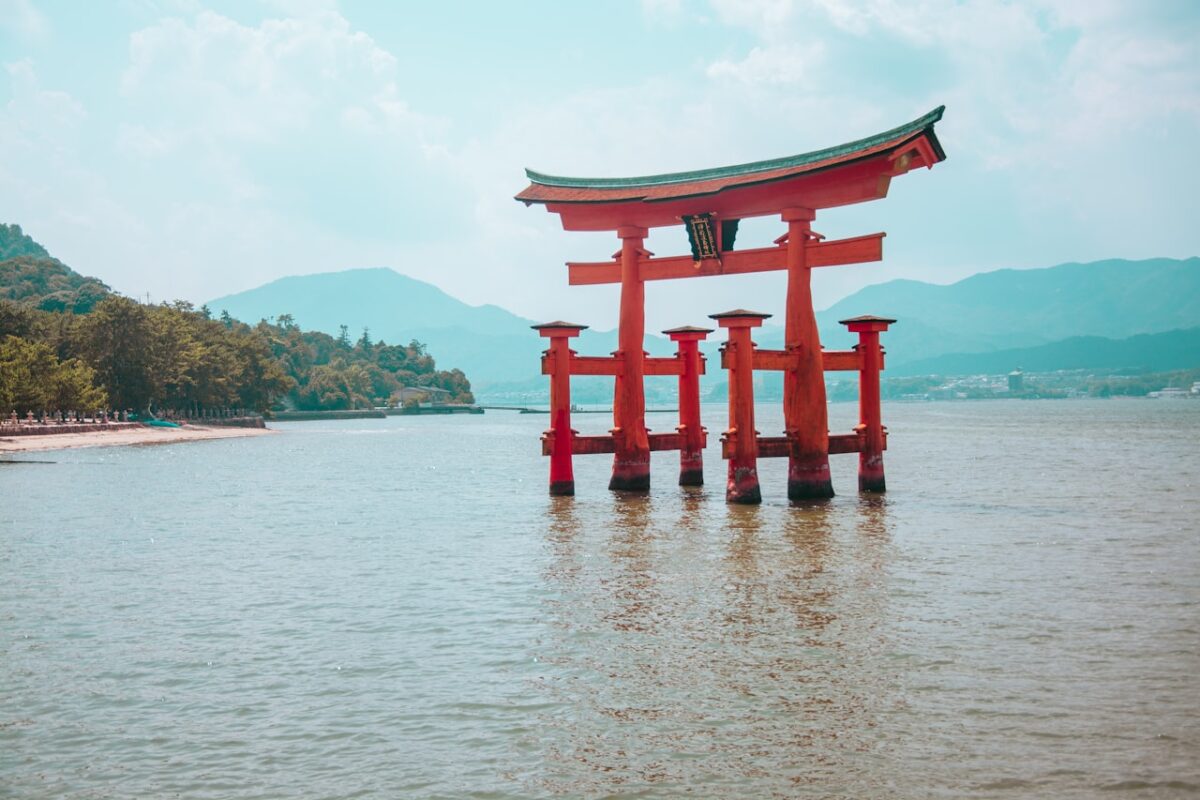
The two look similar to newcomers but belong to different traditions. Shrines (jinja) are places of Shinto, Japan’s indigenous religion, dedicated to kami — spirits of nature, ancestors and deities. Their unmistakable marker is the torii gate, often vermilion, which signals the boundary between the everyday world and the sacred. Temples (tera) are Buddhist, usually entered through a large gate (sanmon) and home to statues of the Buddha, incense burners and sometimes a pagoda. Many Japanese people visit both, and the two traditions have coexisted for centuries. A quick way to tell them apart: if you pass under a torii, you’re at a shrine; if you see a Buddhist gate, incense and Buddha statues, you’re at a temple. The etiquette differs slightly between them, which is where a little knowledge pays off.
How to Visit a Shrine: Etiquette Step by Step
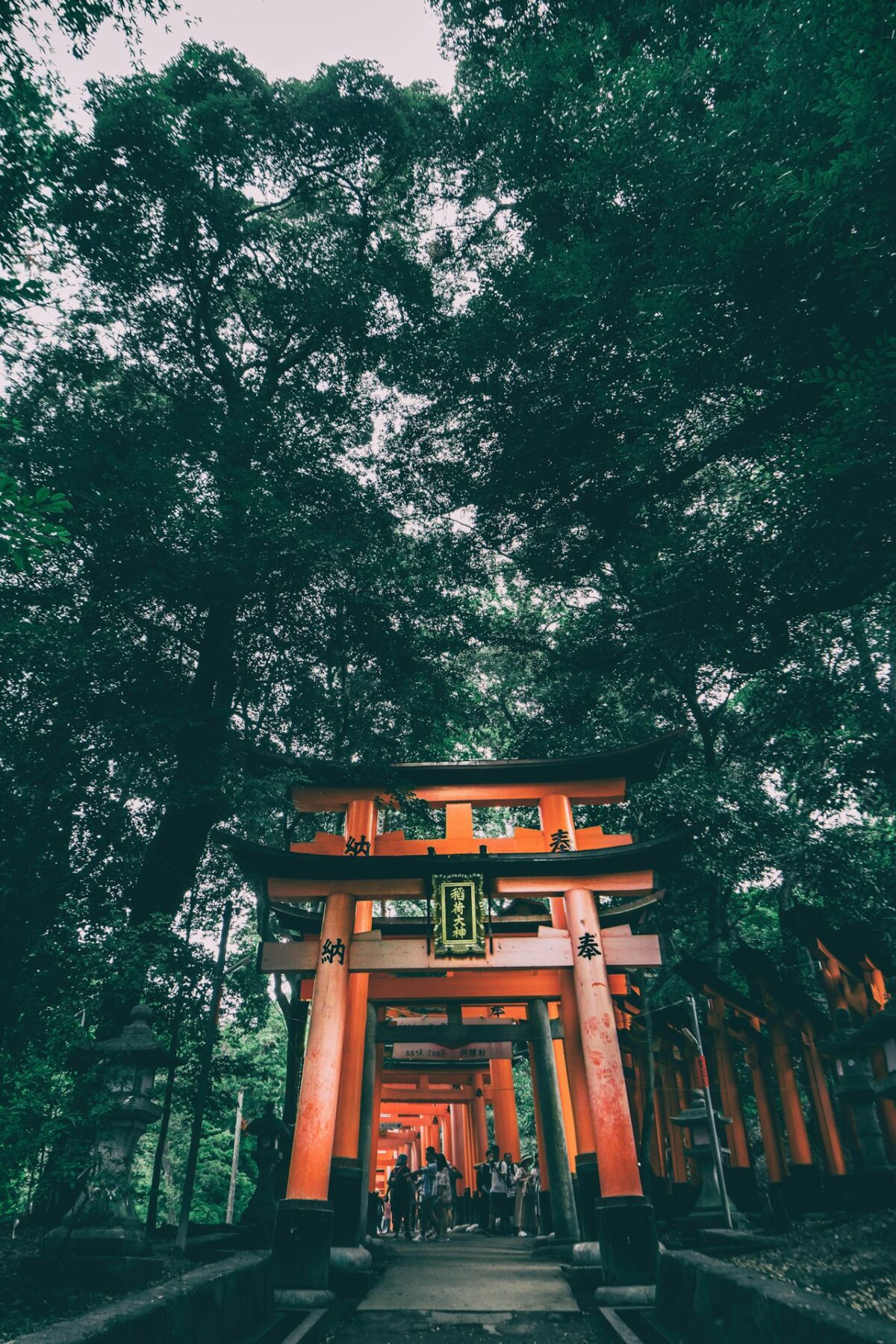
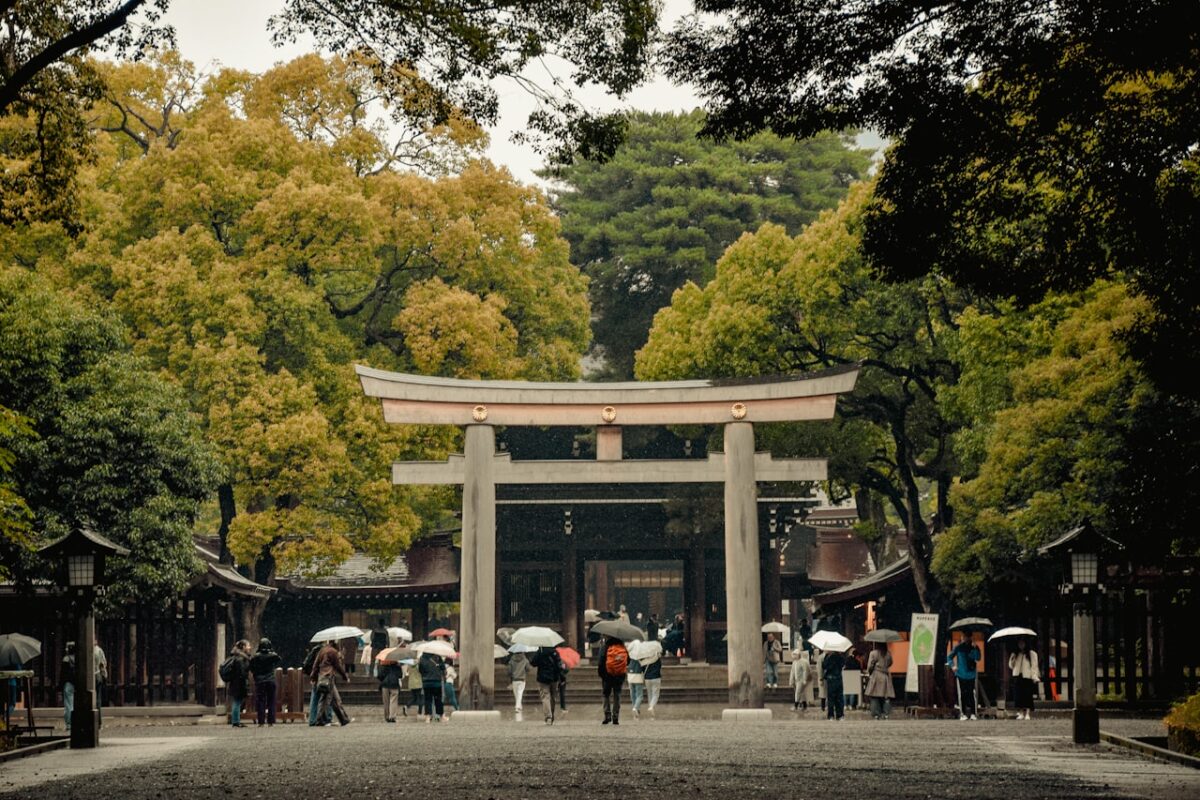
Visiting a Shinto shrine follows a gentle, welcoming ritual that’s easy to learn. As you pass through the torii gate, it’s customary to give a small bow, and to walk slightly to the side of the path rather than straight down the middle, which is traditionally reserved for the kami. Near the entrance you’ll find a water pavilion (temizuya) for purification: take the ladle in your right hand, rinse your left, switch and rinse your right, then pour a little water into your cupped left hand to rinse your mouth quietly (not directly from the ladle), and finally let the water run down the handle. At the main hall, the classic sequence is two bows, two claps, a moment of prayer, and a final bow. If there’s an offering box, toss in a coin gently before you pray, and ring the bell if there is one. It’s simpler than it sounds, and staff and worshippers are used to visitors learning as they go.
Temple Etiquette
At a Buddhist temple the mood is similar but the actions differ in one key way. Give a small bow as you pass through the gate, and if there’s a purification fountain, rinse your hands as at a shrine. Many temples have a large incense burner in front of the main hall; it’s customary to waft the fragrant smoke toward yourself, as it’s believed to be purifying. At the hall, make a small offering, then place your palms together and bow your head in quiet prayer — importantly, you do not clap at a temple, unlike at a shrine. Keep your voice low, follow any marked routes, and move calmly. These are places of contemplation, and matching that peaceful rhythm is the essence of good temple etiquette.
Omamori, Ema, and Omikuji
Part of the joy of visiting is the little traditions you can take part in. Omamori are colourful amulets sold at shrines and temples for luck, health, study, safe travel and more — they make meaningful keepsakes and gifts. Ema are small wooden plaques on which you write a wish or prayer before hanging them up with hundreds of others, a lovely thing to do. Omikuji are paper fortune slips: you draw one at random to read your luck, and if it’s an unlucky one, tradition says to tie it to a designated rack or tree to leave the misfortune behind. Joining in with these customs is warmly welcomed and gives you a small, personal connection to the place.
Photography and Dress
A respectful manner matters most. Dress isn’t strict, but tidy, modest clothing is appreciated, and it’s polite to remove hats when entering a hall. Watch for photography signs: outdoor grounds are usually fine, but many main halls and inner sanctuaries ask you not to take photos, and you should avoid photographing people at prayer. Keep your voice low, switch your phone to silent, and don’t touch statues or ritual objects unless invited. If you’d like a broader primer on considerate behaviour across your whole trip, our guide to Japanese etiquette is a helpful companion. A little sensitivity here goes a long way and is always noticed.
What to Expect at Famous Sites
Well-known shrines and temples — such as Kyoto’s Fushimi Inari with its tunnels of torii gates, or Tokyo’s bustling Sensō-ji — can be busy, particularly at weekends and in peak seasons. Arriving early in the morning rewards you with quieter grounds, softer light and a far more peaceful atmosphere, and it’s the best time for photography too. Smaller neighbourhood shrines and temples, by contrast, are often almost empty and offer a serene, unhurried experience. Both are worthwhile: the famous sites for their grandeur, the quiet ones for their calm. Either way, take a moment simply to stand still and absorb the surroundings, which is really the point of visiting.
When to Visit and Special Occasions
Shrines and temples are open year-round and free to enter in most cases, though some temple halls or gardens charge a small admission. They come especially alive at certain times: the first shrine visit of the New Year (hatsumōde) draws huge, festive crowds in early January, and seasonal festivals fill the grounds with stalls and ceremonies. Cherry-blossom and autumn-leaf seasons make temple gardens breathtaking but busy. If you prefer tranquillity, an ordinary weekday morning is ideal. Whenever you go, remember that these are active places of faith as well as sights, and a calm, respectful presence lets you share in their atmosphere fully.
A Few Useful Words
- 神社 (jinja) — shrine (Shinto)
- お寺 (o-tera) — temple (Buddhist)
- 鳥居 (torii) — the shrine gate
- お守り (omamori) — protective amulet
- 絵馬 (ema) — wish plaque
- おみくじ (omikuji) — fortune slip
- 手水 (temizu) — purification with water
Symbols and Features You’ll Notice
Part of the pleasure of visiting is noticing the details. At many shrines you’ll see a pair of guardian statues (komainu) flanking the entrance, a thick twisted rope (shimenawa) marking sacred spaces, and rows of paper streamers. There may be a bell with a long rope that worshippers ring to greet the deity before praying. At temples, look for a large incense burner in front of the main hall, where people waft the fragrant smoke towards themselves, and serene Buddhist statues within. Recognising these features helps you understand what you’re seeing and where the sacred heart of each place lies.
You’ll also come across water dragons at the purification fountain, wooden ema plaques covered in handwritten wishes, and racks of tied-up fortunes fluttering in the breeze. None of this requires special knowledge to appreciate — simply slowing down to observe turns a quick photo stop into a richer, more memorable experience, and gives you a genuine feel for the traditions that shape daily life in Japan.
Collecting Goshuin (Shrine and Temple Seals)
One lovely tradition worth knowing about is goshuin — beautiful hand-brushed seals that shrines and temples offer as a record of your visit. You buy a special stamp book called a goshuinchō at your first stop, and at each shrine or temple you visit, a priest or attendant inscribes elegant calligraphy and stamps a vermilion seal onto a page, usually for a small fee. It’s not a mere souvenir stamp but a small devotional item, so it’s received with a little respect: hand over your open book politely and wait quietly while it’s prepared. Over a trip, the book becomes a personal, artful diary of the sacred places you’ve seen, and it’s one of the most meaningful keepsakes you can bring home from Japan.
A Note on Respect and Quiet
Above all, remember that these are active places of worship where people come to pray, give thanks and remember loved ones. Ceremonies, weddings and funerals sometimes take place, so if you come across one, keep a respectful distance and don’t photograph it. Move calmly, speak softly, and avoid eating, smoking or loud behaviour on the grounds. This gentle, considerate presence isn’t about strict rules — it’s simply about honouring a space that matters deeply to others. Approached in that spirit, a visit becomes far more rewarding, and you’ll find the atmosphere of these places stays with you long after you leave.
Getting There and Practicalities
A few practical notes make visits smoother. Many shrines and temples sit in gardens, forests or on hillsides, so comfortable walking shoes are a good idea, and some hilltop sites involve a flight of steps. Grounds are generally open during daylight hours, and while entry is often free, it’s wise to carry a little cash for amulets, fortune slips, incense, admission to special halls, and goshuin. Early mornings are quietest and most atmospheric. And because these places are scattered across cities and countryside alike, they slot naturally into a day of sightseeing — a moment of calm between the bustle of Japan’s streets.
Small Mistakes to Avoid
A handful of gentle missteps are easy to sidestep once you know them. Try not to walk straight down the very centre of a shrine path, which is traditionally kept for the deities. Don’t drink directly from the purification ladle — pour water into your hand instead. Avoid clapping at Buddhist temples, since that’s a shrine custom. And keep phone calls and loud conversation for later; these are places of calm. None of these are serious, and no one will scold a visitor for a small slip, but getting them right shows a thoughtful respect that’s always noticed and appreciated.
Conclusion
Visiting shrines and temples is one of the quiet highlights of any trip to Japan, and a little etiquette turns it from sightseeing into a genuine experience. Remember the torii marks a shrine and the incense a temple; purify your hands; bow twice and clap twice at a shrine but simply press your palms together at a temple; and move gently and respectfully throughout. Take part in the small traditions, arrive early where you can, and give yourself a moment of stillness — and these sacred places will reward you many times over.
Would you like to add a few respectful words and phrases before you go, so you feel at ease at these special places? A short, focused Travel Japanese session covers exactly that — you can book a fast-track session ahead of your trip.
About Iroha Passport
Iroha Passport is a London-based Japanese language and travel service with over six years of experience. Our native Japanese team offers honest, practical guidance and short, focused Travel Japanese preparation. By Iroha Passport.