Introduction
Rain during a holiday can feel disappointing, especially when you have spent months planning your trip. But a rainy day in Japan does not have to mean a wasted day.
Japan offers plenty of indoor experiences, from museums and cafés to enormous shopping complexes and relaxing onsen. And when the rain is light, it can even add a different atmosphere to traditional streets, temples, gardens, and seasonal scenery.
Depending on where and when you travel, you may encounter rainy weather during your stay. Japan also has a rainy season in many regions, although its timing and conditions vary from year to year and from one part of the country to another. Rather than trying to plan around an exact period, it is useful to have a few rainy-day alternatives ready.
With a little flexibility, a rainy day can become an opportunity to experience a different side of Japan.
✨ Planning a trip to Japan and want to feel more comfortable handling unexpected situations? Our 2-hour Japanese for Travel Session helps you practise useful Japanese for real travel situations, from asking for directions to shopping, restaurants, and getting around.
👉 Prepare for your Japan adventure — book your session here.
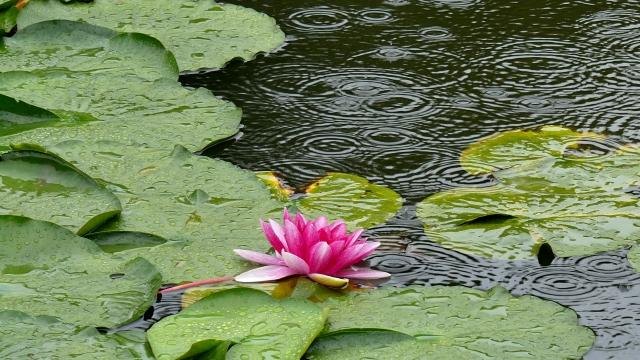
1. Don’t Let the Rain Ruin Your Trip
The first thing to remember is that you do not necessarily need to cancel your entire itinerary because of rain.
Japan’s larger cities offer plenty of indoor attractions, and many areas have extensive train networks that make it possible to travel without spending too much time outdoors.
Instead of thinking of rain as something that has ruined your plans, consider rearranging your itinerary. You might swap an outdoor sightseeing day for a museum, shopping trip, café visit, or long lunch, then return to your outdoor plans when the weather improves.
Rain can also change the atmosphere of a place. Reflections from signs and city lights on wet streets can make neighbourhoods such as Shinjuku or Shibuya feel completely different, while quieter historic areas can take on a peaceful atmosphere.
Of course, there is an important difference between a normal rainy day and severe weather. If heavy rain, strong winds, flooding, or other dangerous conditions are forecast, follow official local advice and prioritise safety over sightseeing.
2. Explore Japan’s museums and galleries
A rainy day is a perfect opportunity to explore one of Japan’s many museums and galleries.
Depending on your interests, you can find museums dedicated to:
- Japanese and international art
- History and traditional culture
- Science and technology
- Manga and animation
- Local history and regional culture
Major cities such as Tokyo, Kyoto, Osaka, and Kanazawa offer a wide variety of options, but smaller cities can also have fascinating local museums and galleries.
Instead of treating a museum as somewhere to hide from the rain for an hour, you could make it the main activity of your morning or afternoon.
Some museums also have cafés, restaurants, museum shops, or indoor spaces where you can relax, making them particularly convenient when the weather is poor.
If museums are already on your Japan wish list, a rainy day might actually be the perfect time to visit.

3. Discover underground shopping streets
One experience that may surprise visitors from the UK is the scale of some of Japan’s underground shopping areas and station complexes.
In major cities, particularly around large railway stations, you may be able to walk between shops, restaurants, cafés, department stores, and transport connections while spending very little time outside.
These areas can include:
- Underground shopping streets
- Department stores
- Station buildings
- Restaurants and cafés
- Food halls
- Souvenir shops
Large stations can sometimes feel like destinations in themselves. Rather than simply catching a train, you can spend hours browsing shops, trying food, and exploring different floors and underground passages. Our guide to reading Japanese signs and stations makes navigating them easier.
However, these facilities vary considerably depending on the city and station, so you should not expect every station in Japan to have an extensive underground shopping area.
For a rainy day in a major city, though, they can be extremely useful.
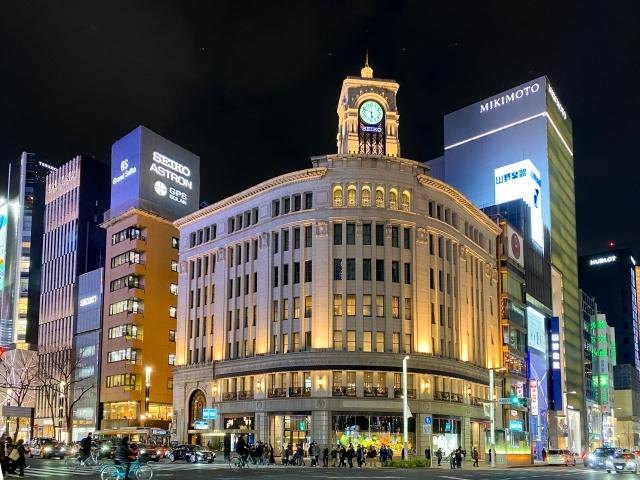
4. Spend time in a Japanese café
If there is one activity that suits a rainy afternoon particularly well, it is spending some time in a Japanese café.
Japan has a wide variety of café styles. You might visit a traditional kissaten, a modern speciality coffee shop, a matcha café, or a popular chain.
A traditional kissaten can be especially interesting for international visitors. These old-style coffee shops often have a quieter atmosphere and can feel very different from modern cafés in both Japan and the UK.
Depending on where you go, you might enjoy:
- Coffee or tea
- Matcha drinks
- Japanese-style desserts
- Toast or sandwiches
- Seasonal cakes and sweets
- Limited-edition drinks
Japan is also known for seasonal café menus, so what you find may depend on the time of year.
Instead of rushing from one attraction to another, a rainy day gives you an excuse to slow down, order something warm, and simply enjoy the atmosphere around you.
It can also be a great opportunity to practise simple Japanese while ordering. Our guide to Japanese cafés explains what to expect and how to order.
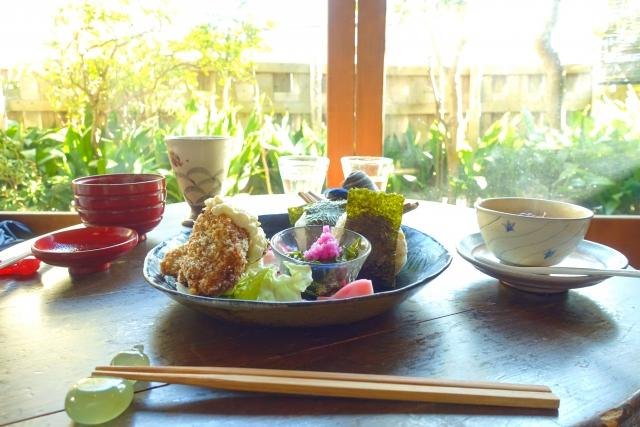
5. Relax at an onsen
A rainy day can also be a wonderful time to experience an onsen, or Japanese hot spring.
After walking around in cool or wet weather, soaking in a warm bath can be especially relaxing.
Depending on the facility, you may find:
- Indoor baths
- Outdoor baths
- Different types of hot spring water
- Saunas or relaxation areas
- Restaurants and rest spaces
Some ryokan and hot spring facilities have outdoor baths where you can enjoy the sound and atmosphere of gentle rain while staying warm in the water. If you are considering a night at a traditional inn, see Staying in a Ryokan: What to Expect.
However, weather conditions should always come first. Outdoor baths or certain facilities may close during severe weather, thunderstorms, or other unsafe conditions, so always follow the facility’s instructions.
Onsen also have their own etiquette, including washing your body before entering the bath and keeping towels out of the bathwater. If it is your first time, learning the basic rules beforehand can make the experience much more comfortable. Our onsen guide for first-timers covers them.
A rainy day does not have to be something you simply endure. Sometimes, it can be the perfect excuse to slow down and enjoy one of Japan’s most relaxing traditions.
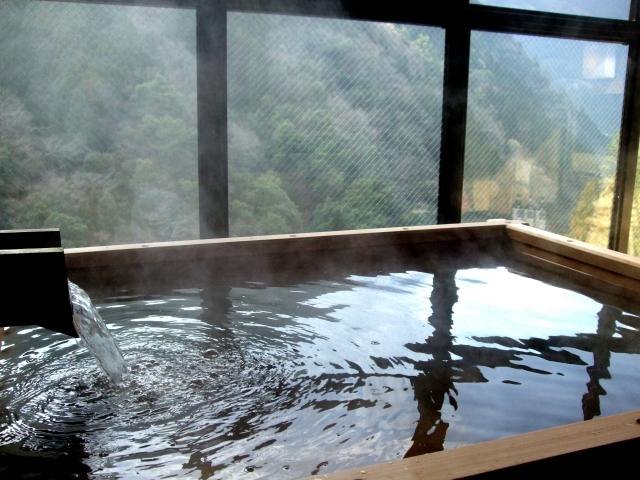
6. Go shopping like a local
A rainy day can be a great opportunity to do some shopping, especially if you were already planning to buy souvenirs during your trip.
Japan has plenty of indoor shopping options, from large department stores and shopping centres to drugstores and 100-yen shops.
Depending on what you are looking for, you could explore:
- Department stores
- Shopping centres
- Drugstores
- 100-yen shops
- Convenience stores
- Station shopping areas
Japanese drugstores can be particularly interesting for visitors, with cosmetics, skincare products, everyday essentials, and other items all under one roof. See our guide to Japanese drugstores.
100-yen shops are another fun option. They sell everything from stationery and travel accessories to kitchenware and small Japanese-style gifts, making them useful for both practical purchases and souvenirs.
If you have a list of things you want to bring home, moving your shopping day to a rainy day can free up better-weather days for outdoor sightseeing.

7. Enjoy Japanese food indoors
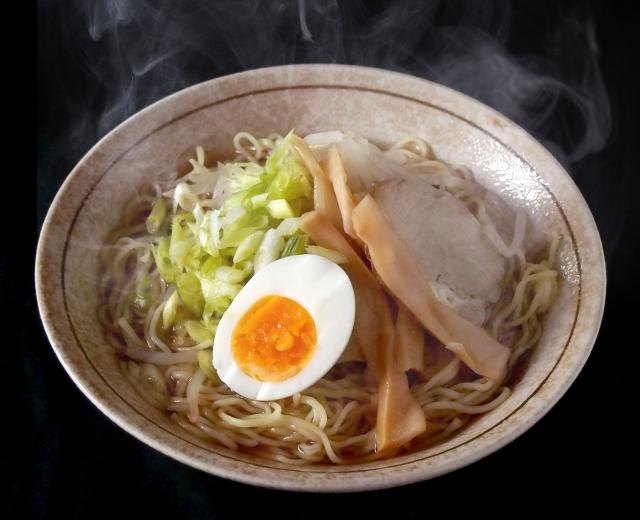
Rain is also a very good excuse to make food the main event of the day.
Instead of travelling between several outdoor attractions, you could spend more time discovering Japanese food.
Depending on your interests, you might try:
- Ramen
- Sushi
- Udon or soba
- Izakaya food
- Japanese sweets
- Department store food halls
Department store food halls, known as depachika, can be particularly fun to explore. They often offer an impressive selection of bento, sweets, prepared foods, regional specialities, and beautifully packaged gifts. Our guide to regional food in Japan explains what each area is known for.
A rainy afternoon can also be a good opportunity to try a restaurant you had been curious about or enjoy a longer lunch without feeling that you should be rushing to the next sightseeing spot. If you are unsure how ordering works, see How to Order Food in Japan.
Food is an important part of travelling in Japan, so a day centred around eating and discovering new flavours is certainly not a wasted travel day.

8. Experience Japan in the rain
Not every rainy day needs to be spent indoors.
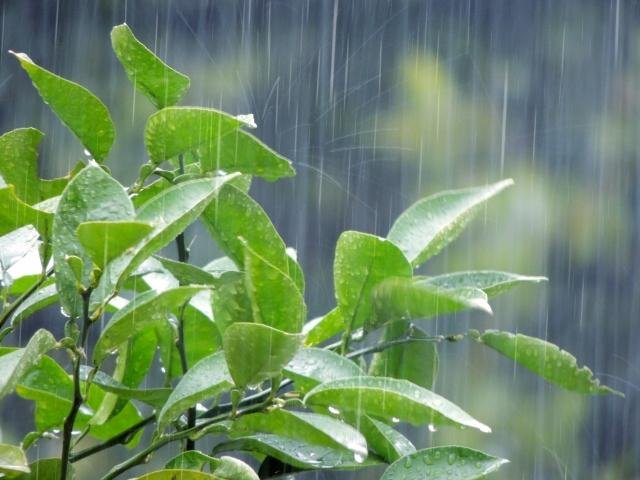
If the rain is light and conditions are safe, some places in Japan can be particularly atmospheric in wet weather.
Traditional streets, temples, shrines, and Japanese gardens can take on a quieter and more peaceful feeling when it rains. Wet stone paths, greenery, and traditional buildings can create a very different atmosphere from a bright sunny day.
During certain times of year, you may also see seasonal flowers that are associated with rainy weather. Hydrangeas, for example, are a familiar sight during the rainy season in many parts of Japan.
Rather than trying to avoid every drop of rain, you might choose one outdoor location where the weather actually adds to the experience.
However, always check the weather conditions before heading out. Heavy rain, thunderstorms, strong winds, flooding, or transport disruption are very different from a gentle rainy day. If conditions are unsafe, choose an indoor activity instead.
9. What to carry on a rainy day
A little preparation can make exploring Japan in the rain much more comfortable.
Useful items include:
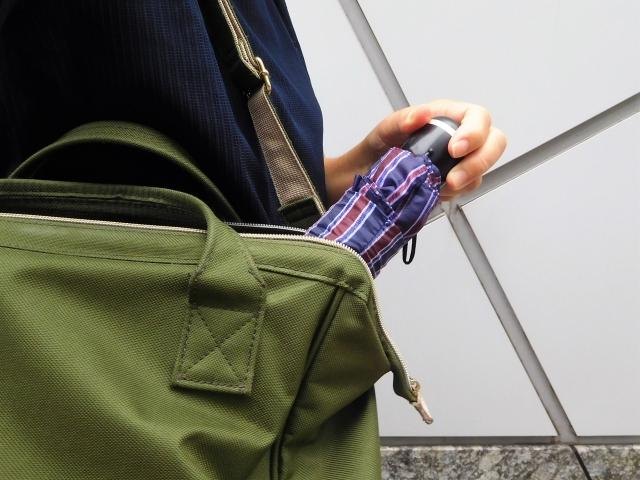
- A compact umbrella
- Comfortable water-resistant shoes
- A small towel
- A waterproof bag or bag cover
- A light waterproof jacket
You do not necessarily need to bring everything from home. Umbrellas are widely sold in Japan, including at many convenience stores and other shops, so buying one after you arrive may be an easy option.
Clear plastic umbrellas are particularly common and are something many visitors associate with rainy days in Japan.
A small towel can also be surprisingly useful for drying your hands, bag, or belongings after coming in from the rain.
Before leaving your accommodation, checking the day’s weather forecast can help you decide whether you need a small umbrella or should change your plans completely. Our packing checklist for UK travellers covers the rest of the bag.
10. Useful Japanese for rainy days
Knowing a few simple Japanese words can also be useful when the weather changes.
- 雨 — ame — rain
- 傘 — kasa — umbrella
- 雨が降っています。 — Ame ga futte imasu. — It’s raining.
- 傘はありますか? — Kasa wa arimasu ka? — Do you have umbrellas?
- 傘を買いたいです。 — Kasa o kaitai desu. — I’d like to buy an umbrella.
You do not need complicated Japanese to handle everyday travel situations. Even knowing words such as ame and kasa can make signs, conversations, and shopping a little easier to understand. Our essential Japanese phrases for travellers has more.
Conclusion
Rain does not have to spoil your trip to Japan.
A change in the weather can be an opportunity to explore a museum, discover an enormous station complex, relax in a café or onsen, go shopping, or spend the afternoon trying Japanese food.
And when the rain is gentle and conditions are safe, it can even show you a different side of Japan. Traditional streets, gardens, temples, and city lights can all take on a unique atmosphere in wet weather.
The key is to stay flexible. Keep a few indoor alternatives in mind, check the weather and local information, and be prepared to change your plans when necessary. If you are still choosing your dates, our season-by-season guide explains when rain is most likely.
Learning a little practical Japanese can also make unexpected moments easier to handle. If you’d like to practise Japanese for situations such as shopping, restaurants, transport, and asking for help, our 2-hour Japanese for Travel Session is designed around situations you may actually experience during your trip.
👉 Make your Japan trip easier in any weather — book your session here.
About Iroha Passport
Iroha Passport helps English speakers learn Japanese and plan their trips to Japan. Lessons are taught by native Japanese teachers living in London, in person or online.
By Iroha Passport