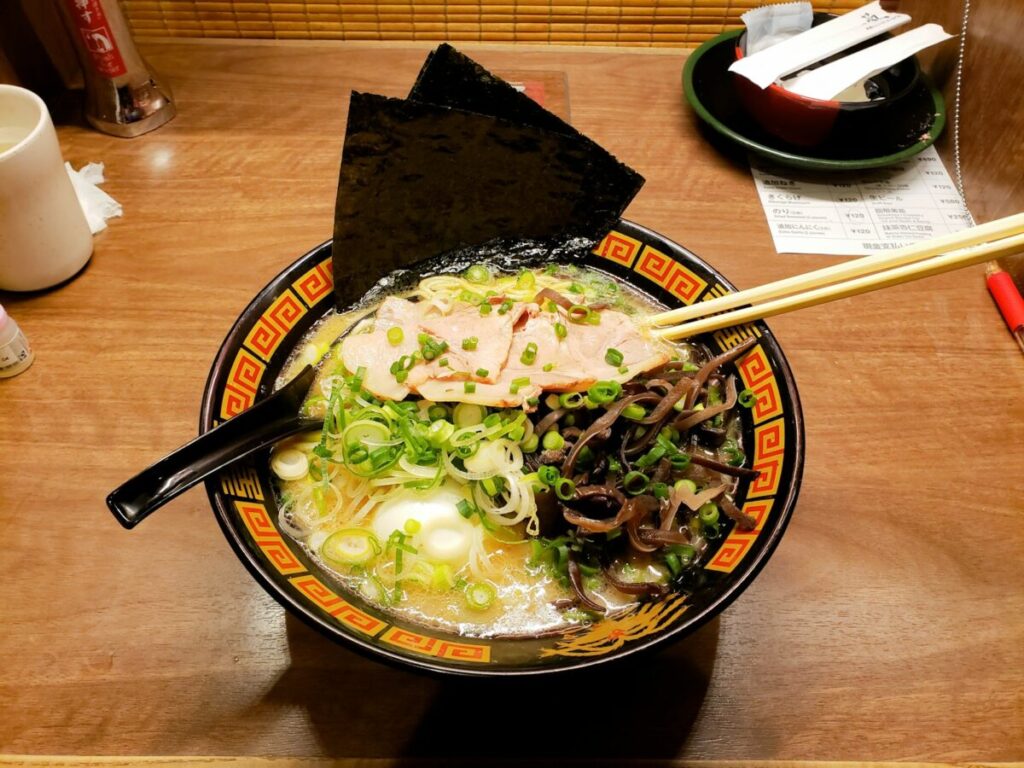
“Japanese food” is not one cuisine. It is a collection of strong regional traditions that happen to share a country, and the difference between eating in Osaka and eating in Kanazawa is bigger than most visitors expect before they arrive.
This matters practically, because the single best way to make a Japan itinerary more enjoyable is to eat what each place is actually good at rather than ordering the same three dishes everywhere. This is a region-by-region guide from a team of native Japanese speakers: what each area is known for, what is worth going out of your way for, and how to order it.
Why regional food is such a big deal in Japan
Three reasons, and they all still shape what is on the menu today.
Geography. Japan runs a very long way north to south. Hokkaido is dairy, potatoes and cold-water seafood. Okinawa is subtropical, with pork, bitter melon and its own distilled spirit. What grows locally still dominates what is cooked locally.
History. For centuries regions were administered separately and travel was restricted, so local cooking developed independently. Even the base flavours differ: broths in the east tend to be darker and saltier, and lighter in the west.
Local pride. Regional speciality food, meibutsu, is taken seriously. People travel domestically to eat specific things in specific towns, and station shops sell regional food as gifts. Asking someone what their home region is known for is one of the easiest and warmest conversations you can have in Japan.
Tokyo and the east
Tokyo is the exception to the rule, because it has everything. That does not mean it has nothing of its own.
- Edo-style sushi. The style most people picture, developed in Tokyo as fast food. Counter sushi with a chef in front of you is a different experience from a conveyor belt, and worth doing once.
- Soba. Buckwheat noodles, served hot or cold, and a Tokyo speciality with a long tradition. Standing soba shops in stations are cheap, quick and genuinely good.
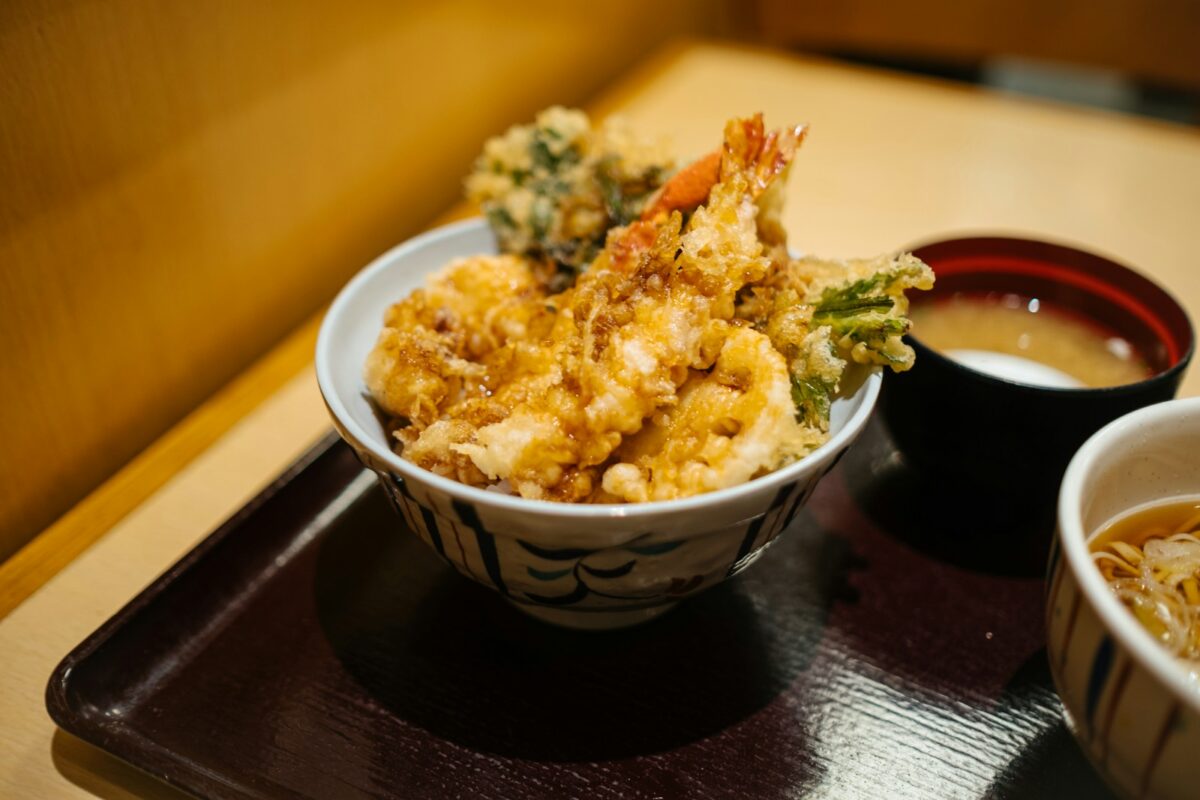
- Tempura. At a specialist counter, served piece by piece, it bears no resemblance to a plate of battered vegetables.
- Monjayaki. A runnier relative of okonomiyaki, cooked on a hotplate at your table, and firmly a Tokyo thing.
- Ramen of every school. Tokyo is where regional ramen styles from all over the country compete side by side.
Tokyo is also the best place to try things you will not have time to travel for, because top regional restaurants open branches there.
Osaka: the country’s kitchen
Osaka has a reputation for eating enthusiastically and cheaply, and it earns it. This is street food and casual counters rather than refinement.
- Takoyaki. Octopus dumplings cooked in a dimpled pan, eaten scaldingly hot from a paper tray. Wait longer than you want to before the first bite.
- Okonomiyaki, Osaka style. A savoury pancake with the ingredients mixed into the batter, cooked on a hotplate.
- Kushikatsu. Skewered, breaded and deep-fried everything, dipped in a shared pot of sauce. Do not double dip. The sauce is communal and this is the one rule every shop has posted on the wall.
- Kitsune udon. Simple, warming, and an Osaka original.
Kyoto: restraint, seasonality and vegetables
Kyoto food is the opposite of Osaka: subtle, seasonal, presented carefully, and built around vegetables and tofu rather than richness.
- Kaiseki. The multi-course seasonal meal that formalised Japanese fine dining. Expensive at dinner, and often far more affordable as a lunch, which is the sensible way for most visitors to try it.
- Obanzai. Kyoto home-style cooking, a spread of small vegetable dishes. Casual, characterful and the more accessible version of the same philosophy.
- Yudofu. Simmered tofu, often near the temples in winter. Sounds plain, is not.
- Kyoto vegetables. Distinct local varieties that appear on menus by name.
- Matcha everything. The tea culture is genuine, and the sweets are not just for tourists.
Kyoto is also the easiest major city for vegetarian visitors, thanks to the Buddhist temple cuisine tradition, though fish stock still appears widely. See our guide to eating vegetarian and vegan in Japan.
Hiroshima and the west
- Hiroshima okonomiyaki. Layered rather than mixed, with a nest of fried noodles inside. Hiroshima and Osaka disagree about which is correct, cheerfully and permanently.
- Oysters. The area is famous for them, at their best in the colder months, grilled or fried.
Fukuoka and Kyushu
Fukuoka is, for a lot of Japanese people, the best eating city in the country.
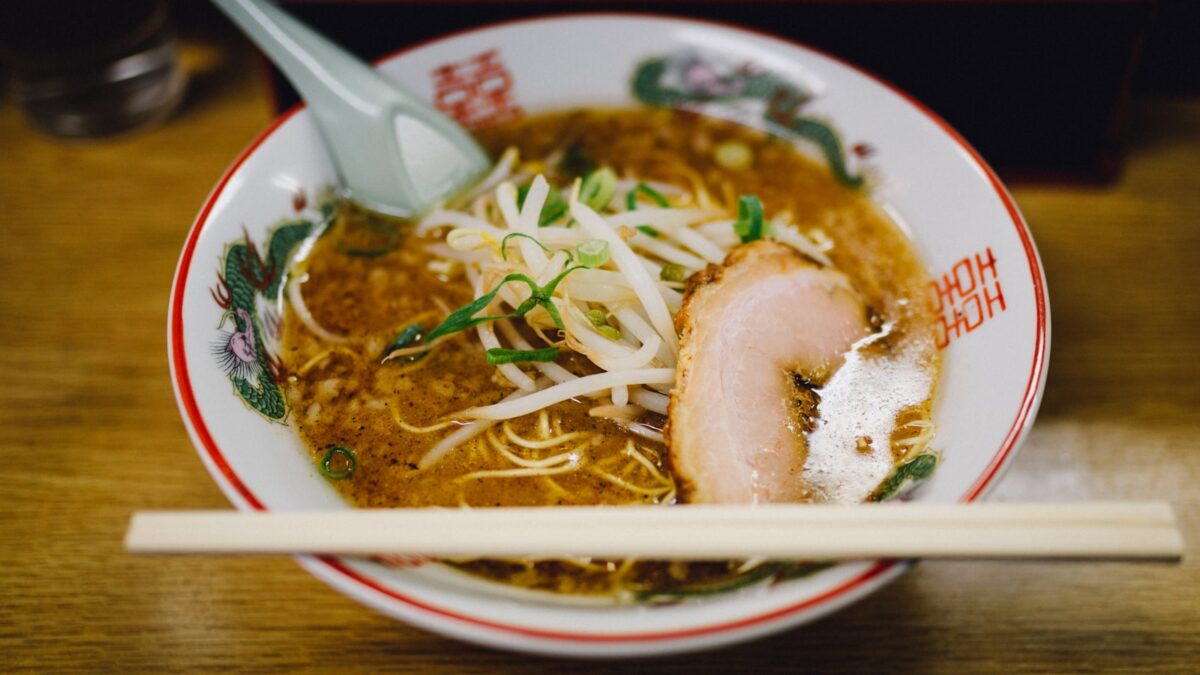
- Tonkotsu ramen. The rich, cloudy pork bone broth style, born here. Thin straight noodles, and you can order a refill of noodles for the remaining broth.
- Yatai. Open-air food stalls that appear in the evening along the river. Small, sociable, and one of the friendliest places in Japan to attempt some Japanese.
- Motsunabe. A hotpot of offal, garlic and cabbage, much better than that description suggests.
- Mentaiko. Spiced cod roe, eaten with rice and used in everything from pasta to convenience store onigiri.
Hokkaido and the north
Cold, agricultural and maritime, with the richest cooking in Japan.
- Miso ramen. Sapporo’s contribution, heavier and often topped with sweetcorn and butter, which makes complete sense in February.
- Seafood. Crab, scallops, salmon roe and sea urchin, at a quality and price that justifies the flight north for some travellers.
- Soup curry. A Sapporo invention: thin spiced curry soup with large pieces of vegetable.
- Dairy and produce. Ice cream, cheese, potatoes, corn. Not what most people expect from Japan.
Further south but still northern, Sendai is known for grilled beef tongue, which is a genuine speciality rather than a curiosity.
Nagoya, Kanazawa and the middle
- Nagoya has one of the most distinctive local cuisines in the country: red miso used generously, breaded pork cutlet with miso sauce, sweet-salty chicken wings, and grilled eel served over rice in a set of three ways.
- Kanazawa on the Japan Sea coast is a seafood city with a beautiful market, excellent sushi, and a local habit of putting gold leaf on things.
- Takayama and the mountains are known for beef, river fish and preserved mountain vegetables.
Shikoku and Okinawa
- Sanuki udon in Kagawa on Shikoku is a serious business, with self-service shops where you assemble your own bowl for very little money. Chewy, firm noodles, and worth planning around.
- Okinawa is a genuinely different cuisine: pork belly, bitter melon stir-fried with egg and tofu, a distinct style of noodle soup, purple sweet potato, and awamori, the local distilled spirit.
How to eat regionally without wasting meals
- Give each city one non-negotiable dish. Write it down before you go. You only have so many meals.
- Eat the local speciality on your first evening, not your last, in case you want it twice.
- Ask locally. Hotel staff will name a specific shop if you ask what the area is known for, and it will usually be better than a list online.
- Use department store food halls in the basement for regional specialities in one place. Excellent quality, and heavily discounted in the last hour.
- Look at station buildings. Major stations have restaurant floors that concentrate the local specialities, which is genuinely useful on a travel day.
- Follow the queue. Japanese people queue for food they rate. It is a reliable signal.
- Buy the regional version of ordinary things. Convenience stores and supermarkets stock local variants of snacks, drinks and instant noodles. Cheap, fun and revealing. See our supermarket guide.
Ordering in a place with no English menu
The best regional food is often in small shops without English, which is exactly where a little Japanese changes what you can eat.
- Osusume wa nan desu ka — what do you recommend? In a regional speciality shop this is the single most valuable sentence you can say.
- Kore o kudasai — this one please, while pointing at a menu or a plastic food display.
- Kore wa nan desu ka — what is this?
- Slurping noodles is fine and normal. Eating while walking is generally avoided; eat near the stall.
Our guide to ordering food in Japan covers ticket machines and counters, Japanese dining etiquette covers the table, and Drinking in Japan covers the evening.
Frequently asked questions
Where is the best food in Japan?
Ask ten Japanese people and Osaka and Fukuoka will come up most often for casual eating, Kyoto for refinement, and Hokkaido and Kanazawa for seafood. Tokyo has the widest range of everything.
Do I need to book regional speciality restaurants?
For casual places, generally no. For counter sushi, kaiseki and well-known small restaurants, yes, sometimes well ahead, and some require booking through a hotel.
Is regional food expensive?
Mostly the opposite. Takoyaki, udon, ramen and okonomiyaki are among the cheapest meals in Japan. The expensive exceptions are kaiseki, premium beef and high-end sushi.
What if I have allergies or dietary requirements?
Be specific and check ingredients rather than assuming, as fish stock, soy and wheat appear widely. Writing your requirement in Japanese to show staff is the most reliable approach.
Can I bring food home?
Packaged regional sweets and snacks are designed as gifts and travel well. Fresh food and meat products are subject to import rules, so check before packing anything perishable.
Seasonal specialities worth timing a trip around
Region is only half the story. What is good depends heavily on when you go, and Japanese menus change with the season far more than British ones.
- Spring. Bamboo shoots, mountain vegetables, sea bream, strawberries, and an enormous range of cherry-blossom-flavoured sweets and drinks that appear for a few weeks and vanish.
- Summer. Cold noodles served on ice, grilled eel, shaved ice with syrup, and beer gardens on department store roofs.
- Autumn. The best eating season by common agreement: mushrooms, chestnuts, sweet potato, new-crop rice, saury, and persimmons.
- Winter. Hotpot in every regional variation, crab in the north and west, oysters, and hot sweet potato sold from vans.
Festivals follow the same seasonal cycle, and Japanese Festivals by Month shows what is on when. Convenience stores and cafes follow the same cycle with limited-edition products, which is a cheap and enjoyable way to eat seasonally without booking anything.
Food to bring home
Regional food in Japan is designed to be given as a gift, which makes it unusually easy to take home.
- Station and airport gift shops concentrate the local specialities in packaged, well-sealed boxes intended for travel.
- Sweets and biscuits from each region are the classic choice, individually wrapped and sturdy in a suitcase.
- Tea, sesame, dried mushrooms and instant noodles in regional varieties travel well and cost very little.
- Sake and shochu can be bought at the airport after security to avoid the liquid limit, and many breweries sell smaller bottles.
Check UK import rules before packing anything fresh, meat-based or dairy, as restrictions apply and vary. Packaged, shelf-stable food is generally the straightforward option.
Build the route around the food
Most people plan a route and then eat whatever is nearby. It works far better the other way round, and it is difficult to do from outside Japan.
Our Japan trip planning service starts at £15 and is built by Japanese people who live here, so we can shape the route around what each place is genuinely good at, in the season you are travelling.
See Japan trip planning options
About Iroha Passport
Iroha Passport helps English speakers learn Japanese and plan their trips to Japan. Lessons are taught by native Japanese teachers living in London, in person or online.
By Iroha Passport