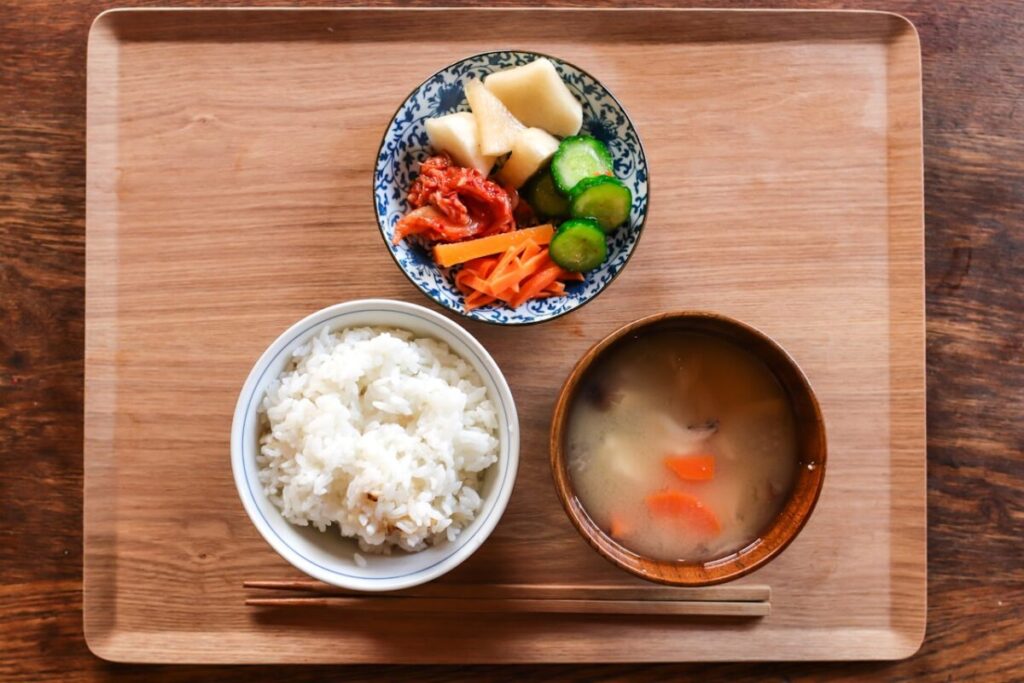
Japan is a paradise of flavour, but eating vegetarian in Japan — or fully vegan — takes a little know-how, because animal-based ingredients hide in places you might not expect. The good news is that with some preparation and a handful of key phrases, plant-based travellers can eat wonderfully well, from delicate temple cuisine to convenience-store staples. This practical guide, written by a native Japanese team for UK travellers, explains where the hidden ingredients lurk, which foods are naturally plant-friendly, where to eat, and how to order clearly, so that vegan Japan travel feels relaxed rather than restrictive.
The Hidden Ingredient: Dashi
The single most important thing to understand is dashi — the savoury stock that forms the backbone of Japanese cooking. It’s most often made from katsuobushi (dried bonito, a fish) and sometimes from small dried sardines, which means many seemingly vegetable dishes aren’t actually vegetarian. Miso soup, the broth in noodle dishes, simmered vegetables, tempura dipping sauce and countless other everyday foods usually contain fish-based dashi. Bonito flakes are also sprinkled on top of dishes like okonomiyaki and cold tofu. There is a purely plant-based version made from kombu (kelp) and dried shiitake mushrooms, and it’s used in Buddhist cuisine and vegan restaurants — but it isn’t the default. Being aware of dashi is the key that unlocks confident ordering, because once you know to ask about it, you can navigate almost any menu. Other things to watch for include gelatin in desserts, pork or chicken in ramen broth, and small amounts of meat in “vegetable” dishes.
Naturally Plant-Friendly Japanese Foods
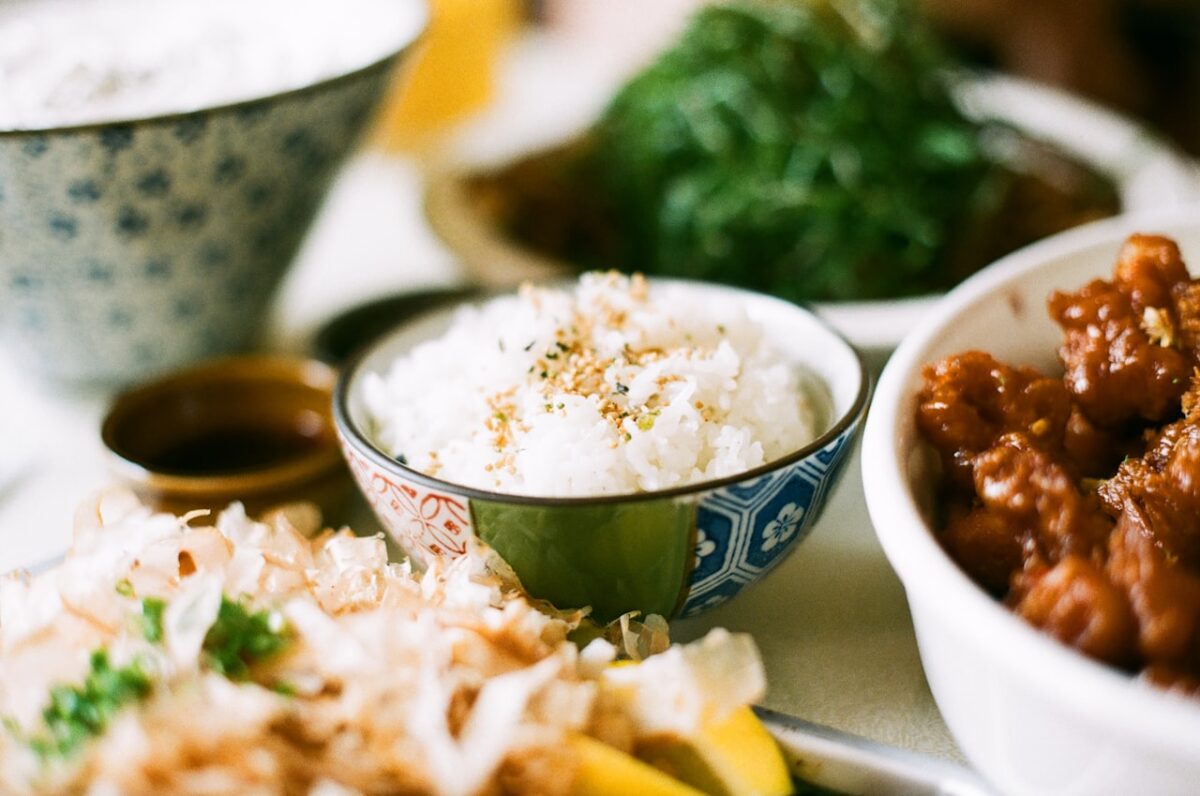
Despite the dashi challenge, Japanese cuisine offers a rich array of naturally plant-based foods. Tofu appears in countless forms — silky, grilled, deep-fried as agedashi — and is a protein staple. Edamame, vegetable tempura, pickled vegetables (tsukemono), steamed rice, seaweed and simmered pumpkin are all common. Onigiri rice balls with fillings like umeboshi (pickled plum) or kombu are reliably vegan, as is inari sushi (sweet tofu pockets). Soba and udon noodles are plant-based in themselves — just check the broth or dipping sauce. Most special of all is shōjin ryōri, the traditional Buddhist temple cuisine, which is entirely plant-based by design and turns vegetables, tofu and seasonal ingredients into a refined, beautiful meal. Seeking out a shōjin ryōri experience is one of the culinary highlights of a plant-based trip to Japan.
Where to Eat
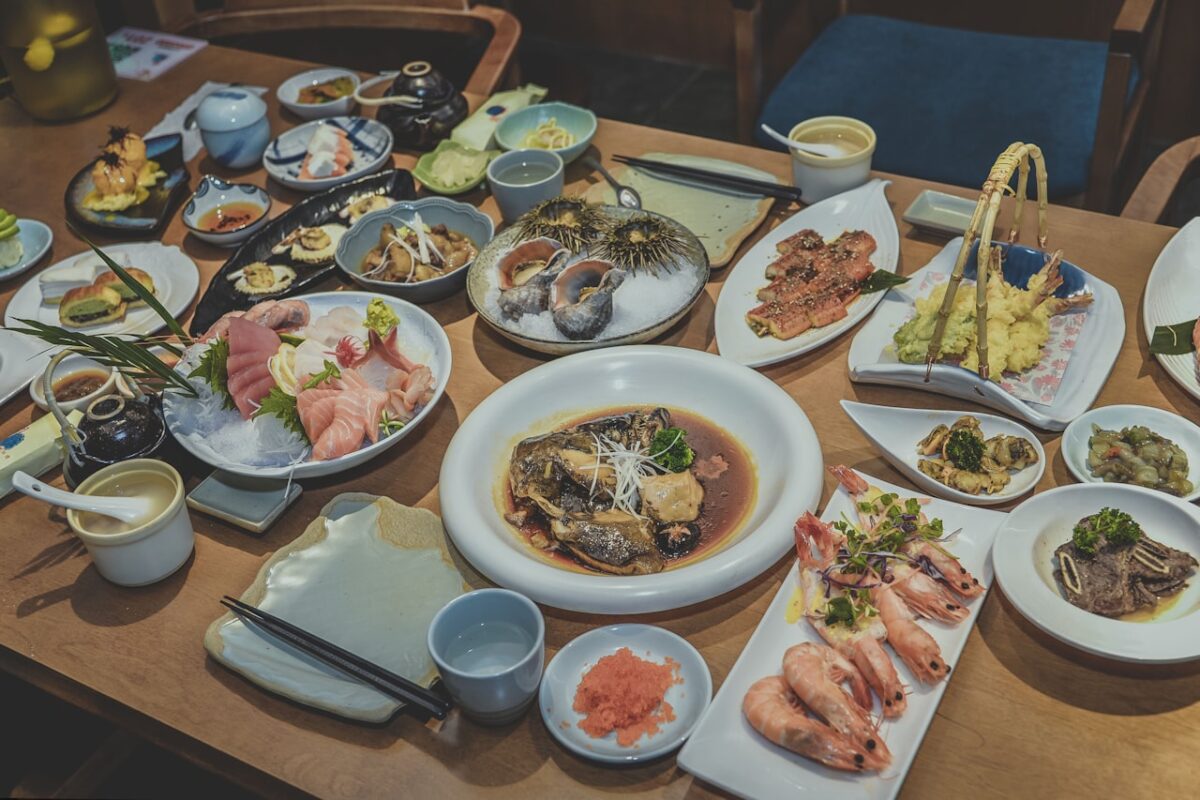
In the bigger cities, dedicated vegetarian and vegan restaurants are increasingly common, and a restaurant-finder app or map filter will turn up options in Tokyo, Kyoto, Osaka and beyond. Kyoto in particular is famous for shōjin ryōri served near its temples, and some temple lodgings (shukubō) serve it too. Indian and other international restaurants reliably offer meat-free dishes, and a growing number of ramen shops now advertise a genuinely vegan vegetable broth. Even ordinary restaurants can usually prepare something plant-based if you explain your needs clearly. Rural areas are more challenging, so it helps to research a few options in advance and to keep your expectations flexible when you’re off the beaten track. A little planning around each destination makes all the difference between a stressful search and a delicious discovery.
Convenience Stores and Supermarkets
Japan’s convenience stores and supermarkets are a plant-based traveller’s secret weapon, especially for quick meals and long sightseeing days. Look for onigiri with vegan fillings, packaged salads, edamame, plain tofu, fruit, nuts, seaweed snacks and steamed vegetables. Reading labels is worth the effort — a translation app’s camera makes short work of ingredient lists — and katakana often flags familiar imported items. Supermarkets have an even wider range, including plant-based products in larger stores. For a fuller tour of what to buy and how to read the shelves, see our convenience store guide and supermarket guide. Between them, you’ll never go hungry, even in a small town late at night.
Ordering Clearly and Avoiding Hidden Animal Products
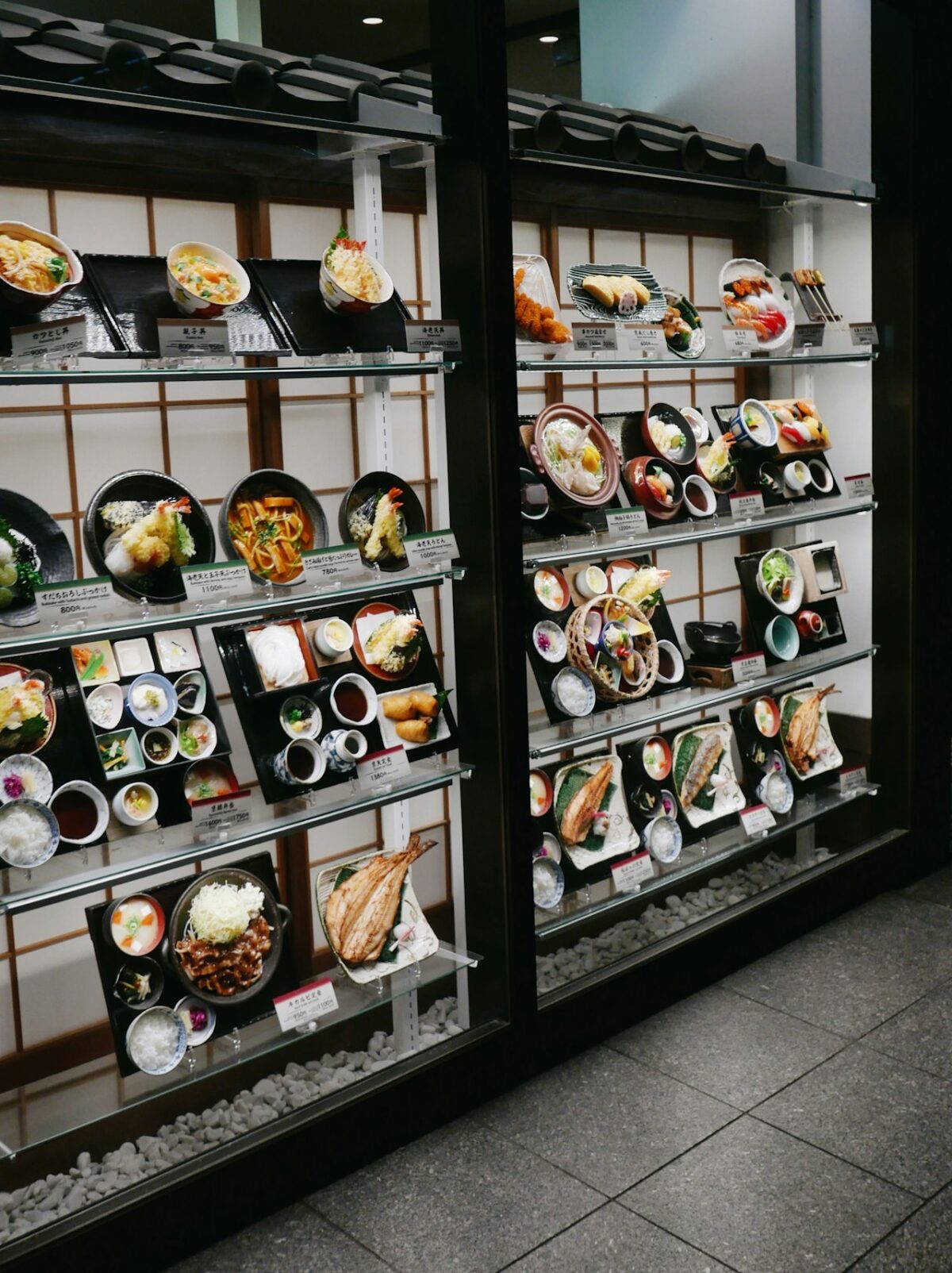
Clear communication is the heart of eating well, and the most reliable tool is a written card in Japanese that explains you don’t eat meat, fish or fish stock (dashi), listing exactly what to avoid. Show it to staff and they’ll do their best to help — Japanese hospitality runs deep, and kitchens are generally happy to accommodate a clearly explained request. A translation app helps you check specific ingredients on the spot, and asking whether a dish contains dashi is often the single most useful question. Because “vegetarian” isn’t always understood the way it is in the UK, naming the specific ingredients you avoid works far better than a single label. Our guide to ordering food in Japan covers the mechanics of menus, ticket machines and calling staff, which pairs neatly with these dietary phrases.
Useful Phrases
- 肉と魚を食べません (Niku to sakana o tabemasen) — I don’t eat meat or fish
- だしは入っていますか? (Dashi wa haitte imasu ka?) — Does it contain fish stock?
- ベジタリアンです / ヴィーガンです (Bejitarian desu / Vīgan desu) — I’m vegetarian / vegan
- これは肉が入っていますか? (Kore wa niku ga haitte imasu ka?) — Does this contain meat?
- 野菜だけの料理はありますか? (Yasai dake no ryōri wa arimasu ka?) — Do you have a dish with only vegetables?
Practical Tips
A few habits make plant-based travel smoother. Carry a small stash of snacks — nuts, fruit or an onigiri — for times when options are thin, especially on travel days and in the countryside. Learn or save the key ingredient words so you can scan a label quickly. Consider a night in a temple lodging for an authentic shōjin ryōri dinner and breakfast. Base yourself in larger cities where choice is greatest, and treat rural stretches as an opportunity to enjoy the reliably plant-based staples — rice, pickles, tofu and vegetables. Above all, stay flexible and curious: approached with a little preparation, Japan’s plant-based food is not a compromise but a genuine pleasure to explore.
How “Vegetarian” Is Understood in Japan
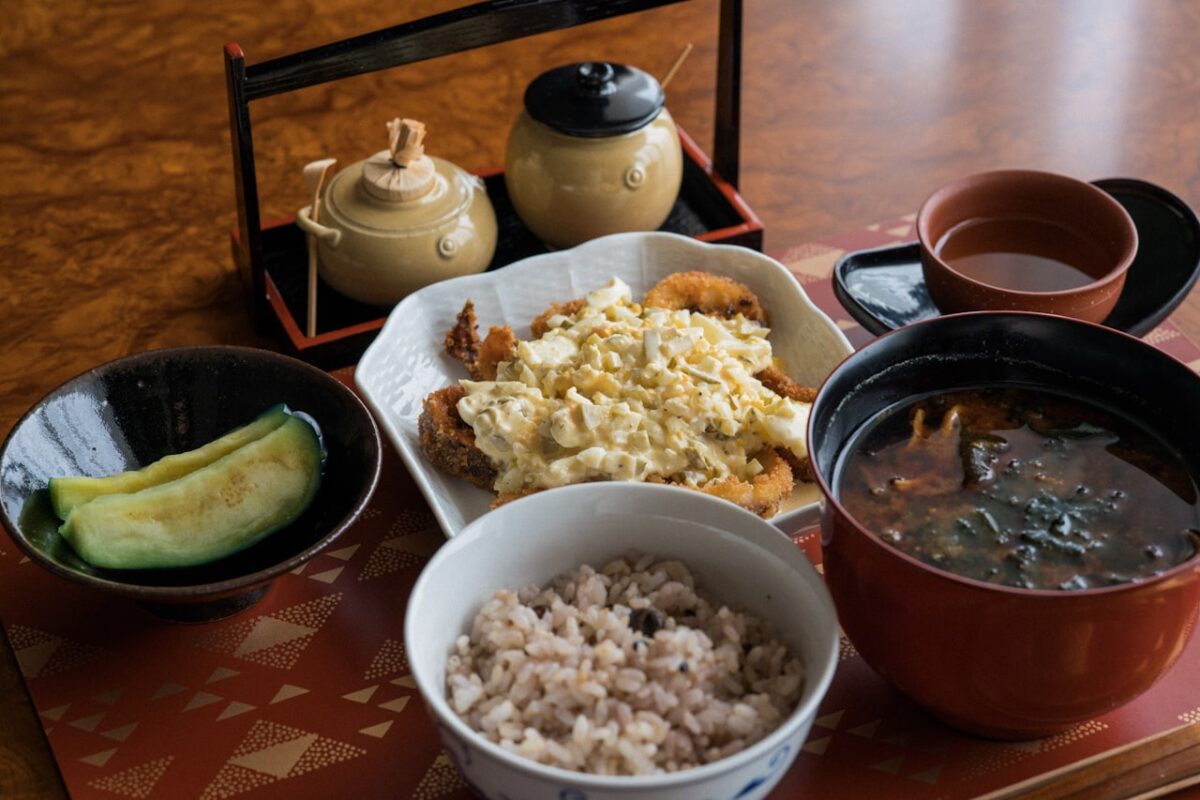
One reason eating veg in Japan can surprise visitors is that the word “vegetarian” isn’t always understood the way you might expect. A dish described as vegetable-based may still be seasoned with fish stock, and “no meat” is sometimes taken to mean “no red meat” rather than no fish or seafood. This isn’t anyone being unhelpful — it’s simply a difference in food culture. The practical fix is to be specific and concrete: state clearly that you don’t eat meat, fish, or fish stock (dashi), and a written card in Japanese removes any doubt entirely.
Cuisines and Restaurants That Make It Easy
Some options are reliably accommodating. Dedicated vegan and vegetarian cafés are increasingly common in the big cities, and international restaurants — especially Indian and Middle Eastern — offer plenty of plant-based dishes. Temple-adjacent restaurants serving shojin ryori are a wonderful choice, and even izakaya usually have several vegetable dishes you can build a meal from. Health-food cafés and department-store food halls round out the picture, giving you variety without much searching.
Building Your Days Around Food
A light plan takes the pressure off. Before you travel, note two or three veg-friendly restaurants in each area you’ll visit, so you always have a reliable option to fall back on. Anchor your main meal of the day around one of them, and lean on convenience stores, supermarkets, and snacks to fill the gaps. In big cities you’ll have abundant choice; in smaller towns, a little forward planning ensures you’re never stuck.
Helpful Tools
Technology makes all of this easier. A restaurant-finder app helps you locate vegan and vegetarian spots nearby, and a translation app with a camera can scan menus and ingredient labels on the spot. Carrying a clear, polite explanation of your dietary needs in Japanese — on your phone or printed — is the single most useful thing you can prepare. With these in your pocket, eating well as a vegetarian or vegan in Japan becomes genuinely enjoyable rather than stressful.
Vegan-Friendly Regional Dishes to Seek Out
Part of the fun of plant-based travel is discovering regional specialities that happen to be vegetable-forward. Kyoto is the spiritual home of yudōfu (simmered tofu) and refined shōjin ryōri, both worth planning a meal around. Kōyasan, the temple town on Mount Kōya, is famous for its temple lodgings and their vegan Buddhist feasts. In Okinawa you’ll find a strong tofu culture, while soba-producing regions serve wonderful buckwheat noodles — just confirm the dipping sauce. Look out too for kombu and mushroom-based dishes, grilled vegetables, and seasonal mountain vegetables (sansai). Treating each destination as a chance to try its plant-based highlights turns dietary planning into a genuine pleasure rather than a chore.
Breakfast and Sweets
Two meals deserve a special mention. Breakfast can be the trickiest, as hotel spreads often centre on fish and egg; a traditional Japanese breakfast of rice, miso soup, pickles and seaweed is lovely but usually involves fish stock, so many travellers build a simple breakfast from convenience-store rice balls, fruit and soy milk instead. Sweets are a happier story with a small catch: many traditional Japanese confections (wagashi) — mochi, daifuku and sweets made with sweet red bean paste (anko) — are naturally plant-based, though modern cakes and some sweets contain egg, dairy or gelatin, so a quick label check is wise. Matcha and roasted green tea (hōjicha) flavours are everywhere and mostly vegan-friendly.
Is “Vegetarian” Understood?
It helps to know that the concept of vegetarianism isn’t as widely established in Japan as in the UK, and the word “vegetarian” is sometimes taken to still include fish or fish stock. That’s why naming the specific things you avoid — meat, fish, and dashi — works far better than a single label, and why a clearly written card is so valuable. Approach it with patience and warmth rather than frustration: staff genuinely want to help, and a friendly, specific request nearly always produces a good result. As plant-based eating grows more popular in Japan, this gets easier every year, but a little clarity on your part still makes every meal smoother.
Don’t Be Afraid to Ask
Finally, remember that staff in Japan are famously helpful and will usually go out of their way to accommodate you once they understand what you need. Asking politely whether a dish contains meat, fish, or dashi is completely normal and won’t cause offence — it’s far better than guessing. A friendly, patient approach, backed up by a written explanation of your diet in Japanese, opens more doors than you might expect, and you’ll often be pleasantly surprised by how willing kitchens are to adapt a dish for you.
Conclusion
Eating vegetarian or vegan in Japan is entirely achievable — and often delightful — once you understand dashi, know which foods are naturally plant-based, and can explain your needs clearly. Seek out shōjin ryōri and dedicated restaurants, lean on convenience stores between meals, and carry a clear ingredient card, and you’ll eat beautifully from the cities to the countryside. With a little preparation, plant-based travellers can savour Japan’s food culture to the full.
Would you like your trip planned around restaurants and experiences that suit your diet, so every meal is sorted before you arrive? Our native Japanese team can arrange it through Travel Planning, and a little Travel Japanese will help you order with confidence.
About Iroha Passport
Iroha Passport is a London-based Japanese language and travel service with over six years of experience. Our native Japanese team offers honest, practical guidance alongside Travel Planning and Travel Japanese. By Iroha Passport.