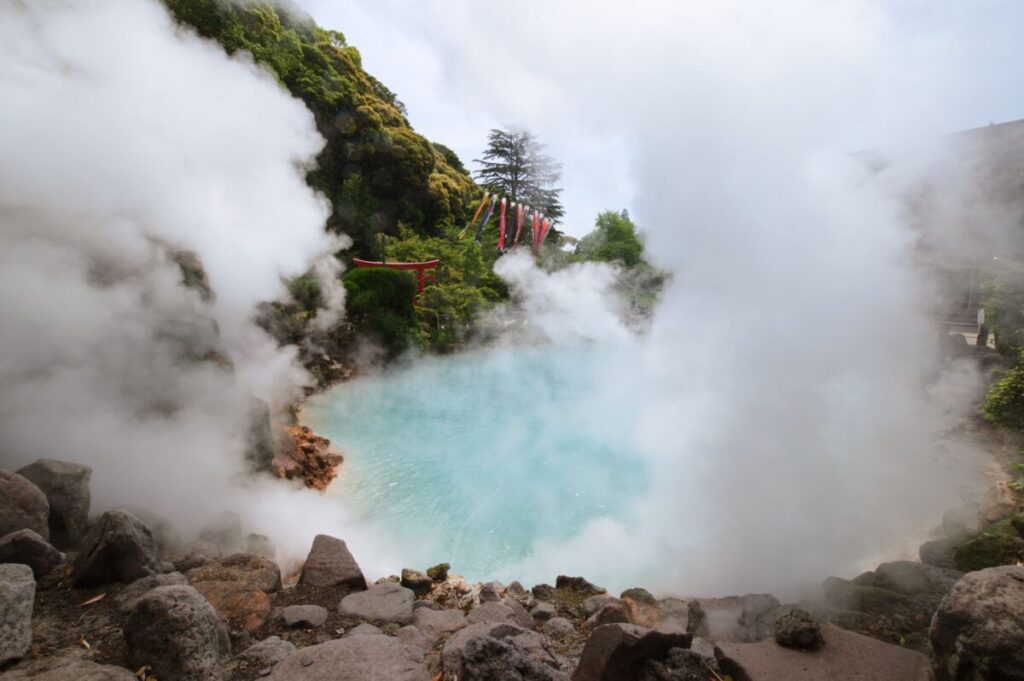
If you are planning a trip to Japan, you will soon see two words on maps and in guidebooks: onsen and sento. Both mean a bath you share with other people, and both come with the same basic manners, so it is easy to treat them as one thing. The onsen vs sento question is worth a few minutes of your time, though, because the two places feel quite different, cost different amounts and sometimes follow slightly different rules. This guide explains the difference in plain terms, then walks you through sento etiquette step by step, since that is the side most visitors have never seen explained.
If you want the full first-timer walkthrough for hot-spring baths, we already cover it in our onsen guide for first-timers. Here we focus on the contrasts and on the neighbourhood bathhouse.
What is the difference between an onsen and a sento?
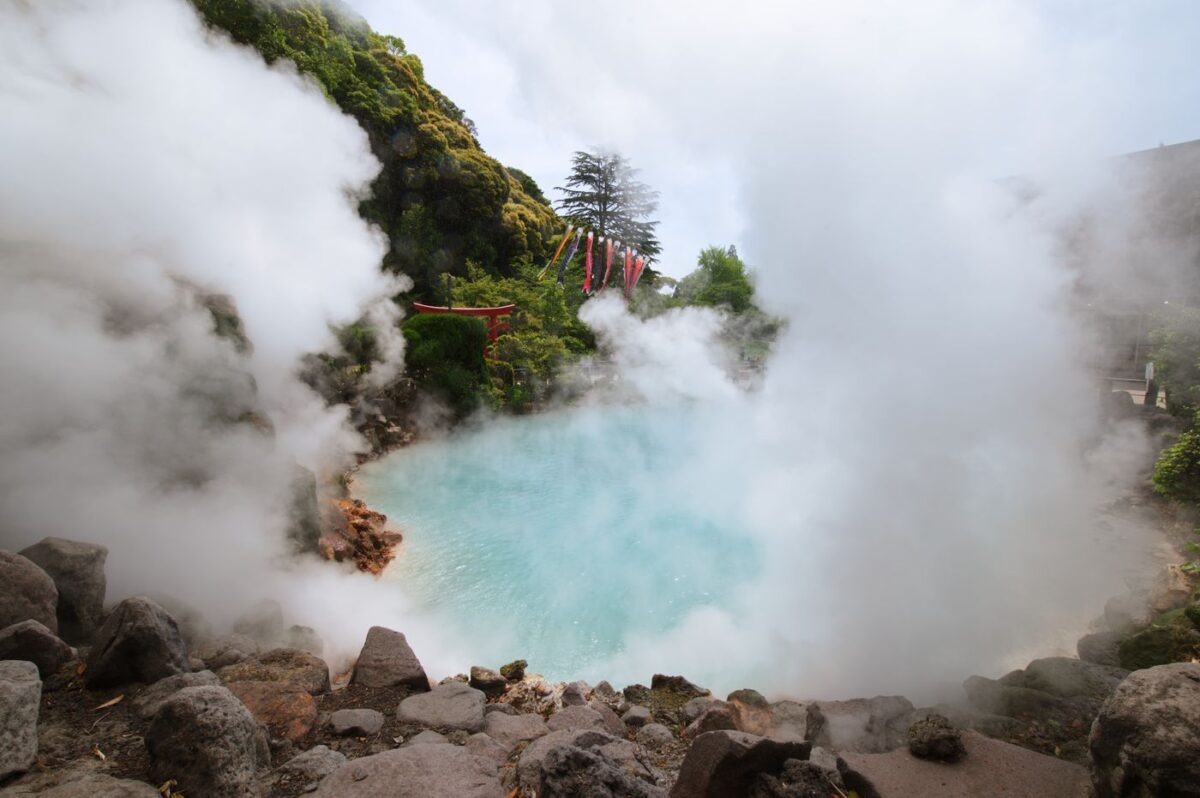
The simplest way to remember it is by the water. An onsen (温泉) is a hot spring. In Japan the word has a legal meaning: the water has to come from the ground and meet a set temperature or contain certain dissolved minerals. Many onsen towns advertise the mineral character of their water, and some baths describe it as good for particular things, although you should treat those claims as local tradition rather than medical advice.
A sento (銭湯) is a public bathhouse. The water is ordinary water that has been heated on site, usually by a boiler. Sento are not a tourist product. They began as places where people without a bath at home could wash, and in many neighbourhoods they still do that job, with regulars dropping in on the way home from work.
So the short version is this: onsen is about the water, and sento is about the building and its role in the neighbourhood. A sento can be lovely, but nobody travels across the country for its water. Many people do exactly that for an onsen.
There is one more term worth knowing. A super sento (スーパー銭湯) is a large leisure complex that sits between the two. It usually has many kinds of baths, saunas, a restaurant and a relaxation room, and some use real hot-spring water. We will come back to it below.
Where you find each
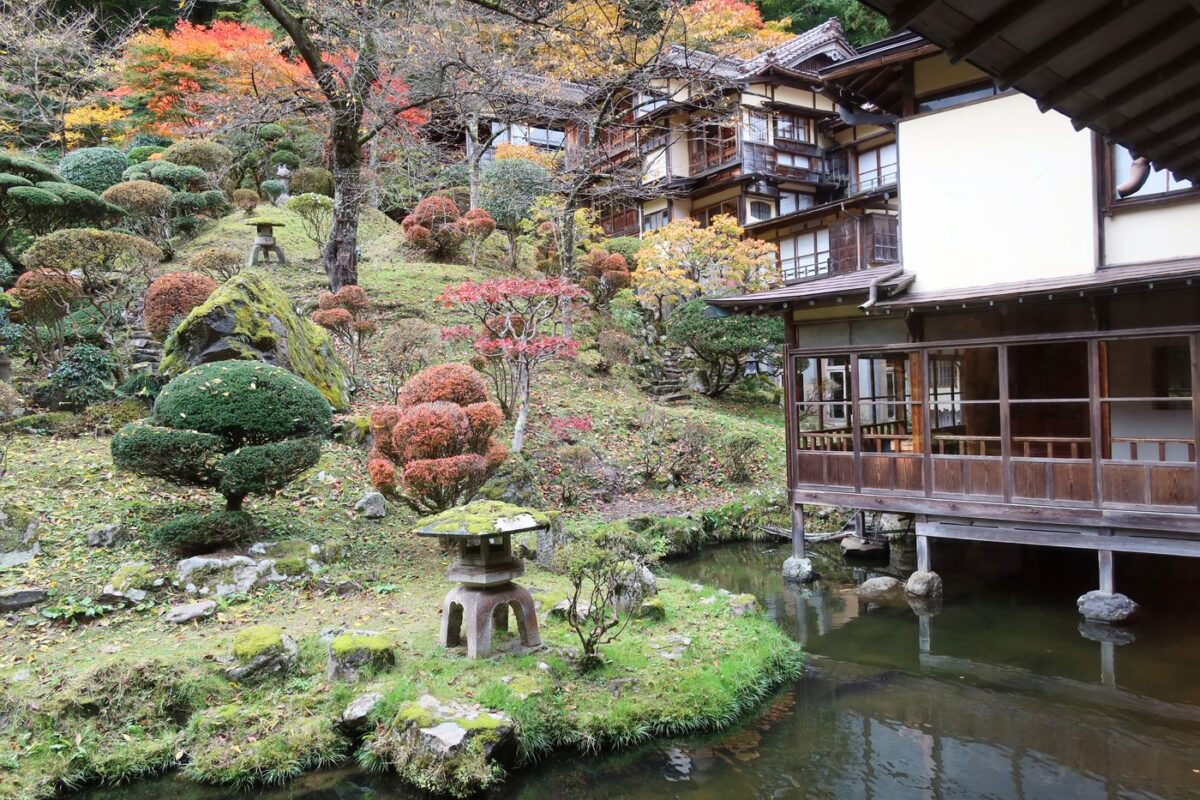
Onsen are found wherever hot water comes out of the ground, which means mountain towns, coastal resorts and volcanic areas. Some are inside ryokan (traditional inns), some are in hotels, and some are public bathhouses that anyone can walk into for a day visit. Even big cities have a few, because water can be drawn from deep underground.
Sento are mostly urban. You find them in ordinary residential areas of Tokyo, Osaka, Kyoto and other cities, often tucked between houses and small shops. Look for a tall chimney, a curtain (noren) hanging at the door, or the character 湯 (yu, “hot water”) on a sign. Our guide to reading Japanese signs and station names will help you spot that character, which is one of the most useful ones to recognise.
What to expect and what it costs
At a typical sento you will step in through the entrance, remove your shoes, and either pay at a front desk or buy a ticket from a machine. Beyond the desk there is a men’s side and a women’s side, each with a changing room and a bathing area. The bathing area usually has a row of washing stations and one or more baths of different temperatures. Some have jet baths, a cooler bath or a sauna. The atmosphere is relaxed and a little old-fashioned, and you may see a painted mural of a mountain on the wall, which is a classic sento feature.
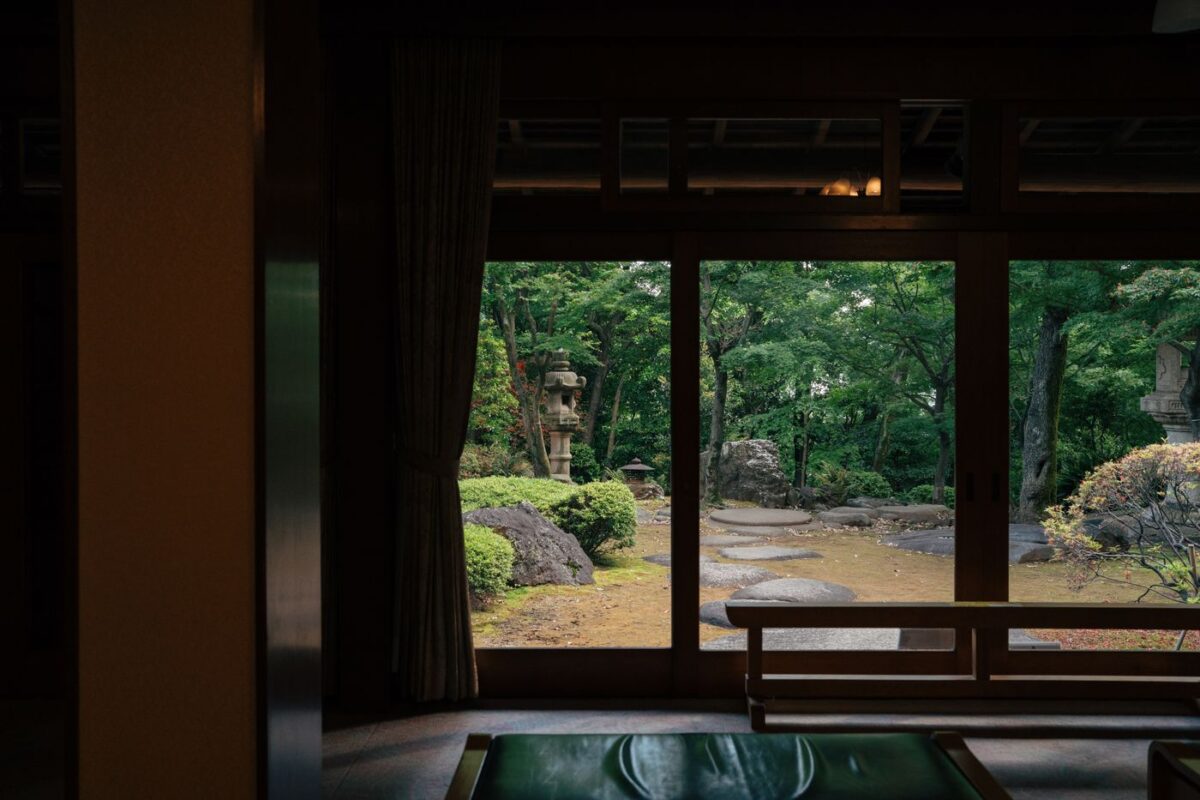
An onsen is usually a more deliberate trip. Baths may be indoors, outdoors or both, and may be set among gardens, rivers or mountains. Because the setting is part of the appeal, onsen tend to feel quieter and more special.
On cost, we will keep this general because prices change. In broad terms, sento admission for adults is regulated by local authorities and is usually modest, while onsen and super sento prices are set by each facility and are normally higher. Hotel and ryokan baths are often included in your stay. Check the current price on the facility’s own page or at the door. Cash is still common at small neighbourhood places, so see our guide to payment methods in Japan before you go.
What to bring and what is provided
This is where the two types differ most in practice.
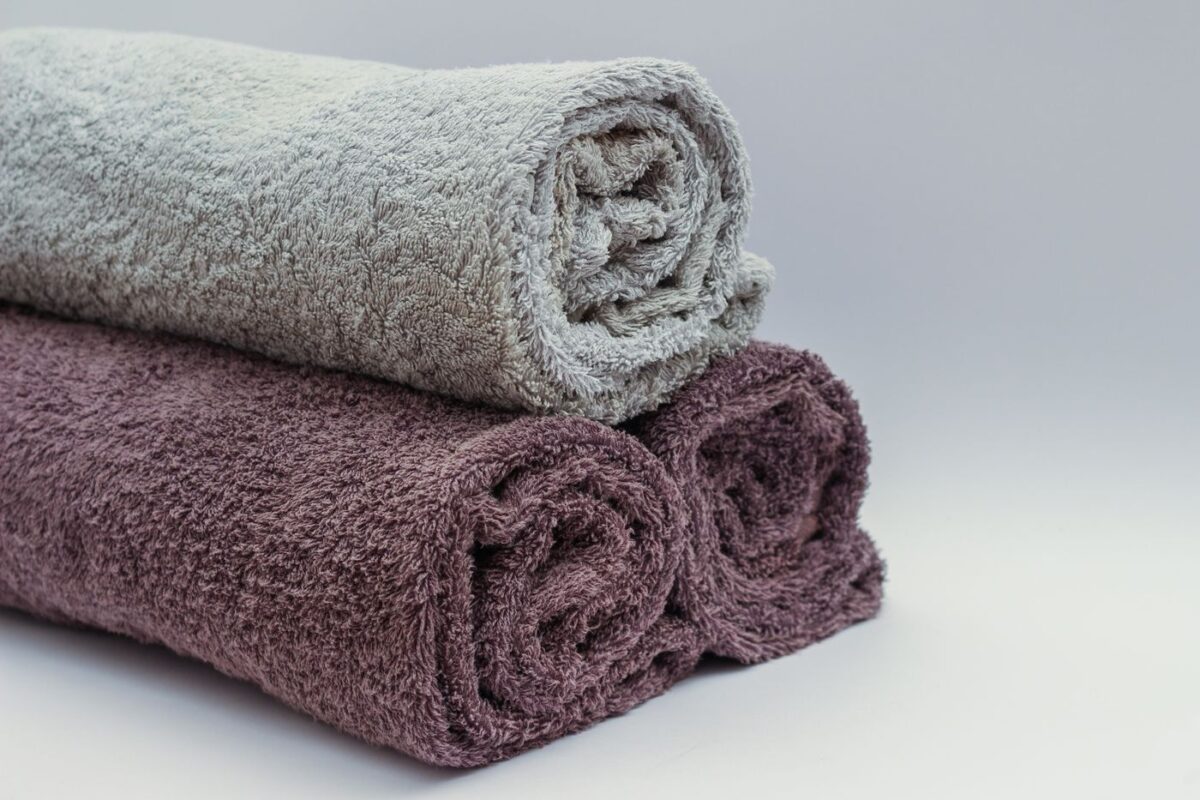
At a ryokan or hotel onsen, towels are normally provided, and there is often soap, shampoo and conditioner at the washing stations. Ryokan will usually give you a yukata (light cotton robe) too.
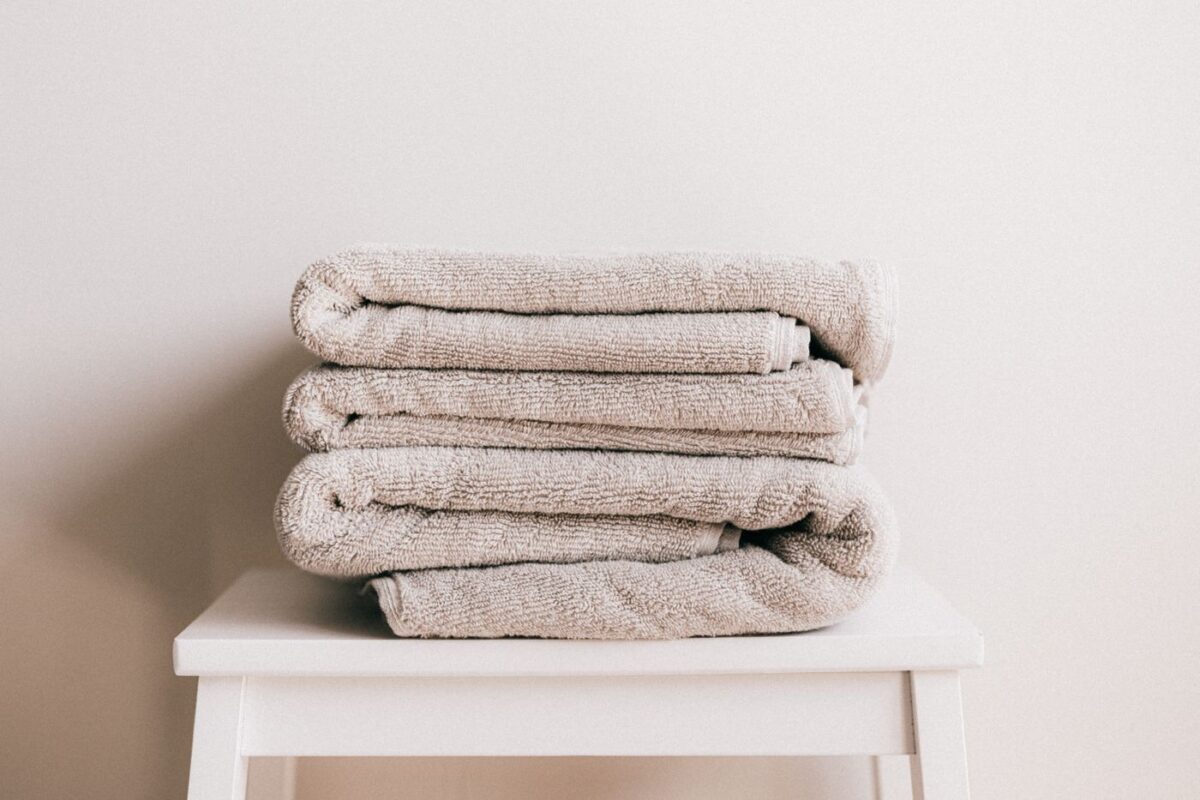
At a neighbourhood sento, you should assume less. Many sento sell small packs of soap and shampoo, and some rent towels, but supplies vary, and some small places provide nothing at all. A sensible kit looks like this:
- A small towel for washing and a larger towel for drying off
- Your own soap or body wash and shampoo, in a small bag
- A hair tie if you have long hair
- Coins or small notes for the entrance fee and any lockers
- Something to drink afterwards
Many sento sell drinks in the lobby, often including milk or fruit milk, which is a classic post-bath treat. You do not need a swimming costume, and in fact you must not wear one. Bathing is done without clothes in a single-sex area.
Sento etiquette, step by step
The routine is simple once you have seen it. Here is the usual order at a neighbourhood bathhouse.
1. Arrive and take your shoes off
Take off your shoes in the entrance. Many sento have small shoe lockers with wooden or plastic keys; put your shoes in one and take the key with you. At some places the shoe key is swapped for a locker key at the desk, so do not lose it.
2. Pay and choose the right side
Pay at the desk or the ticket machine. Check the curtain colours or the characters on the door. Men’s is 男 (otoko) and women’s is 女 (onna). Our guide to Japanese phrases for travel has other short phrases that help here.
3. Undress in the changing room
Find a locker or a basket on a shelf and put your clothes inside. Many changing rooms have a locker with a key on a wristband, and some use a coin locker that returns your money. Keep valuables to a minimum. Take only your small towel and your washing kit into the bathing area. The large towel stays in the changing room for later.
4. Wash thoroughly before you get in
This is the most important rule. Sit on a small stool at one of the washing stations, and wash your whole body and your hair with soap and warm water. Rinse well. The stations usually have a tap, a shower head and a small basin. Keep your splashing low so you do not spray your neighbours.
Shower in a seated position, and do not leave soap suds in the basin for the next person. If there is a wooden bucket, rinse it and stack it neatly when you finish.
5. Ease into the bath
Pour a little water over your shoulders to get used to the heat, then step in slowly. Sento baths can be hotter than visitors expect, and some places have two or three temperatures. If it feels too hot, try a cooler tub. You are not expected to stay in for long; a few minutes at a time is normal.
Keep your small towel out of the water. Many people fold it and rest it on their head, or leave it on the side of the bath. Do not swim, dive or splash, and keep your voice low.
6. Rinse, dry off in the bathing area, and finish
When you have finished, you may rinse off lightly. Before returning to the changing room, wring out your small towel and wipe most of the water off your body, so that the floor of the changing room stays dry. Dry off properly with your large towel, and get dressed.
How onsen etiquette differs from sento
The core rules are the same. What changes is the setting and the pace.
- Facilities: A ryokan or hotel onsen provides towels and toiletries far more often than a sento does.
- Outdoor baths: Many onsen have outdoor baths, which means you will be walking between indoor and outdoor areas without clothes. Take care on wet floors.
- Private baths: Some onsen offer a small bath that you can book for yourself or your group. This can be a good choice if you are nervous about a public bath or if tattoos are a concern.
- Time of use: Hotel and ryokan baths often have set opening times, and some change between men and women during the day or evening.
- The water: Mineral water can be strong, so some baths advise you not to rinse off the water afterwards, or to take care if you have sensitive skin. Follow the signs posted in the bathing area.
For a detailed look at that side, our onsen guide for first-timers covers it step by step.
Rules both share
Whichever bath you choose, these points are the same:
- Wash before you enter any bath. This is the rule that matters most.
- No swimwear. Bathing is usually done without clothes, in a men’s or women’s area. Some mixed or swimsuit-wearing baths exist, but they are the exception, and the facility will make that clear.
- Keep your small towel out of the water. Do not put it in the bath.
- Tie up long hair so it does not trail in the water.
- Be quiet. A calm voice is the norm, even among friends.
- Do not take photos in the bathing area or the changing room.
- Do not swim, splash or use the bath to wash. The bath is for soaking only.
If you follow these, nobody will look at you twice. Staff and regulars are generally patient with visitors who are clearly trying to do the right thing.
Tattoos at onsen and sento
Tattoo policies are the question visitors worry about most, and the honest answer is that it varies. Historically, tattoos were linked with organised crime in Japan, and many facilities still restrict them. Others have relaxed their approach in recent years, and some welcome tattooed guests or ask you to cover small tattoos with a patch or sticker. Some places allow tattoos in a private bath only.
In general, neighbourhood sento tend to be more relaxed than some onsen resorts, but there is no rule you can rely on. The only dependable approach is to check the facility’s own website or ask before you pay. Look for a sign with a tattoo symbol at the door, which usually tells you the policy.
A polite question works much better than guessing. If the answer is no, accept it cheerfully and try another place. There are tattoo-friendly baths listed online, and it is worth searching for them before you travel.
タトゥーは大丈夫ですか。
Tatū wa daijōbu desu ka.
Is a tattoo OK?
Saunas, cold baths and extras
Many sento and almost every super sento have extras: a sauna, a cold plunge bath, a jet bath, an electric bath (a mild current runs through the water) and sometimes a herbal bath. These can be great, but they come with their own manners.
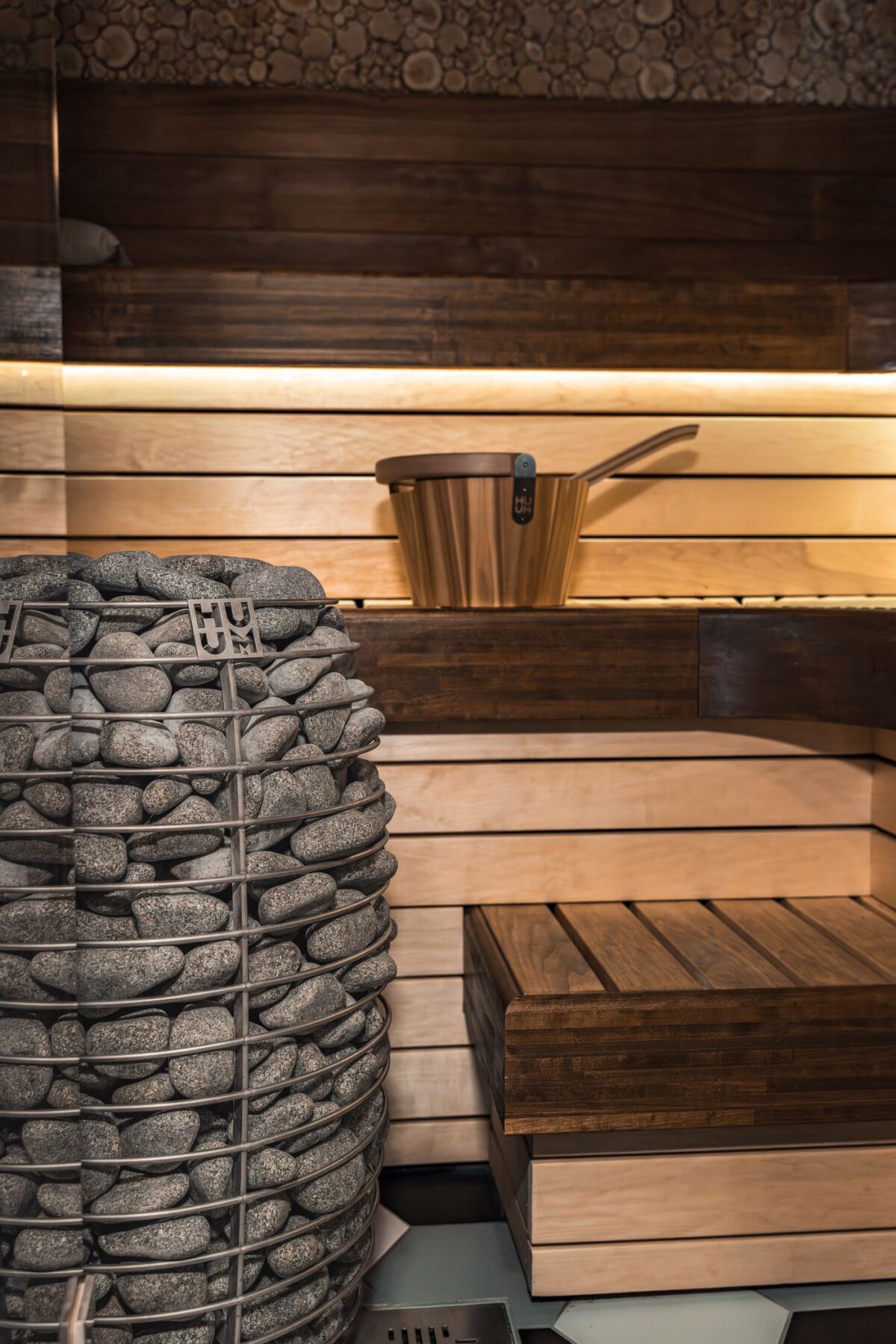
- Sauna: Some saunas charge an extra fee, and some are free. Take a towel to sit on, if the place provides or expects it. Wipe off your sweat before you get into the cold bath.
- Cold bath: This is called mizuburo (水風呂). Rinse off before you go in, and do not splash.
- Electric baths: If you are pregnant, have a pacemaker or any medical concern, do not use them, and read the signs.
- Rest areas: Take care to keep your voice down, and do not leave your things on the seats.
A rule of thumb: copy what the regulars do. If you are not sure how something works, watch for a moment.
Hair, phones and when to take care
Tie long hair up, keep your phone in the locker (cameras are not allowed in bathing areas), and leave jewellery at your hotel because metal can get very hot in the water.
Public baths are not for everyone every day. Skip or take care if:
- You are unwell, have an open wound or a contagious skin condition.
- You have drunk a lot of alcohol. Hot water and alcohol do not mix well.
- You have a heart condition, high blood pressure or are pregnant. Ask your doctor first, and take extra care with hot baths.
- You have just eaten a large meal.
- It is very busy, such as a weekend evening in an onsen town, and you want a quiet experience.
Also check opening days. Small sento often close on one day of the week, and they may close for cleaning at short notice.
Useful phrases for the bathhouse
You can manage a sento without speaking much, but a few phrases make things smoother. If you also want to order a drink afterwards, our guide on how to order food in Japan covers ticket machines and simple requests.
ロッカーはありますか。
Rokkā wa arimasu ka.
Is there a locker?
タオルはありますか。
Taoru wa arimasu ka.
Do you have towels?
タオルを借りたいです。
Taoru o karitai desu.
I would like to rent a towel.
シャンプーは売っていますか。
Shanpū wa utte imasu ka.
Do you sell shampoo?
入浴料はいくらですか。
Nyūyokuryō wa ikura desu ka.
How much is the entrance fee?
タトゥーは大丈夫ですか。
Tatū wa daijōbu desu ka.
Is a tattoo OK?
サウナは別料金ですか。
Sauna wa betsu ryōkin desu ka.
Is the sauna an extra charge?
何時までですか。
Nan-ji made desu ka.
Until what time are you open?
すみません、初めてです。
Sumimasen, hajimete desu.
Excuse me, it is my first time.
Frequently asked questions
Can I go to a sento if I do not speak Japanese?
Yes. Most of the process is visual, and staff are used to visitors who point or use short phrases. A smile and a quiet “sumimasen” go a long way.
Is a sento cheaper than an onsen?
Usually, yes, because neighbourhood sento prices are set locally and kept modest, while onsen and super sento set their own. Prices change, so check the current amount before you go.
Do I have to be completely undressed?
In most public baths, yes. You bathe without swimwear in a men’s or women’s area, and you carry a small towel for modesty on the way to the bath. A few facilities have swimsuit-wearing or mixed baths, and they will say so clearly.
Are tattoos allowed?
It depends on the facility. Some sento are relaxed, some onsen are strict, and many ask you to cover small tattoos. Check the website or ask at the desk before paying.
Conclusion
The difference between an onsen and a sento is easy to remember. An onsen is a hot spring with natural water, usually found in a scenic or resort setting. A sento is a public bathhouse with heated tap water, found in ordinary neighbourhoods and often much more affordable. The manners are mostly shared: wash first, no swimwear, keep your small towel out of the water, speak quietly and check the facility’s tattoo policy.
Try a sento for a relaxed look at everyday life, and an onsen for a special trip. If you take only one thing from this guide, let it be the rule about washing first. With a few phrases and a little preparation, either bath becomes one of the most memorable and relaxing parts of a trip to Japan.
👉 Start with the basics — get our free Travel Japanese phrasebook
About Iroha Passport
Iroha Passport helps English speakers learn Japanese and plan their trips to Japan. Lessons are taught by native Japanese teachers living in London, in person or online.
By Iroha Passport