This article contains affiliate links. We may earn a small commission at no extra cost to you.
“Is Japan expensive?” is the question we are asked most often, and the honest answer is: less than most British travellers expect, and in a different shape than they expect. The flight is the big number. Once you are there, daily costs are frequently lower than a comparable trip to western Europe.
This is a realistic breakdown for travellers going from the UK, written by a team of native Japanese speakers. All the figures below are approximate, and two things move constantly: the pound-to-yen exchange rate, and prices themselves. Treat everything here as a planning framework and check current prices before you book.
The five blocks your budget is made of
- Flights. Usually the largest single line, and the one with the widest range.
- Accommodation. The line you have most control over.
- Transport within Japan. Cheap in cities, expensive between them.
- Food. Reliably good value at every level.
- Everything else: entry fees, experiences, shopping and the things you did not plan for.
1. Flights from the UK
Direct flights from London to Tokyo take roughly twelve to fourteen hours. Indirect routes via the Middle East, mainland Europe or East Asia are usually cheaper and can add several hours.
What actually moves the price:
- When you go. Cherry blossom season, Golden Week in late April and early May, the summer Obon period and New Year are the expensive weeks. Late January, February and early December are usually the cheapest.
- How far ahead you book. Long-haul fares typically reward booking a few months out rather than at the last minute.
- Whether you are flexible on airport. Tokyo has two airports and flying into one and out of the other, or into Tokyo and out of Osaka, often costs no more and saves a day of backtracking.
Because fares swing so widely, we would not quote a figure here. Set a fare alert for your dates and watch it for a fortnight before deciding whether what you are seeing is good.
2. Accommodation
Japan has an unusually wide and well-run range of accommodation, and this is where you can genuinely choose your budget. Approximate per-night bands for a room, not per person, outside peak weeks:
- Hostel dorm or capsule hotel: around ¥3,000 to ¥6,000 per person. Capsules are clean, quiet and a genuine experience rather than a compromise.
- Business hotel: around ¥8,000 to ¥15,000. Small rooms, excellent bathrooms, near stations, consistently good. This is what most travellers should be booking.
- Mid-range and boutique hotels: around ¥15,000 to ¥30,000.
- Ryokan with dinner and breakfast: from around ¥20,000 per person and up, often well up. Worth one or two nights of any trip. See Staying in a Ryokan: What to Expect.
Two practical points. Rooms in Japan are small by British standards, and a “double” is often genuinely tight for two people with luggage, so read the room size in square metres rather than the category name. And prices in Tokyo and Kyoto rise sharply during cherry blossom and autumn colour weeks, so if your dates are fixed, book accommodation early even if flights can wait.
If you want to see what your dates actually cost rather than guessing, it is worth checking live prices for your city, for example hotels in Tokyo on Booking.com (affiliate link), and comparing a business hotel near a major station with something more central. The difference is often smaller than the difference in convenience.
3. Getting around
Within cities
Cheap and excellent. A single subway journey in Tokyo is typically a few hundred yen, and you tap in and out with an IC card. Most travellers spend a modest amount per day on city transport. Our guide to trains and IC cards covers how it works.
Between cities
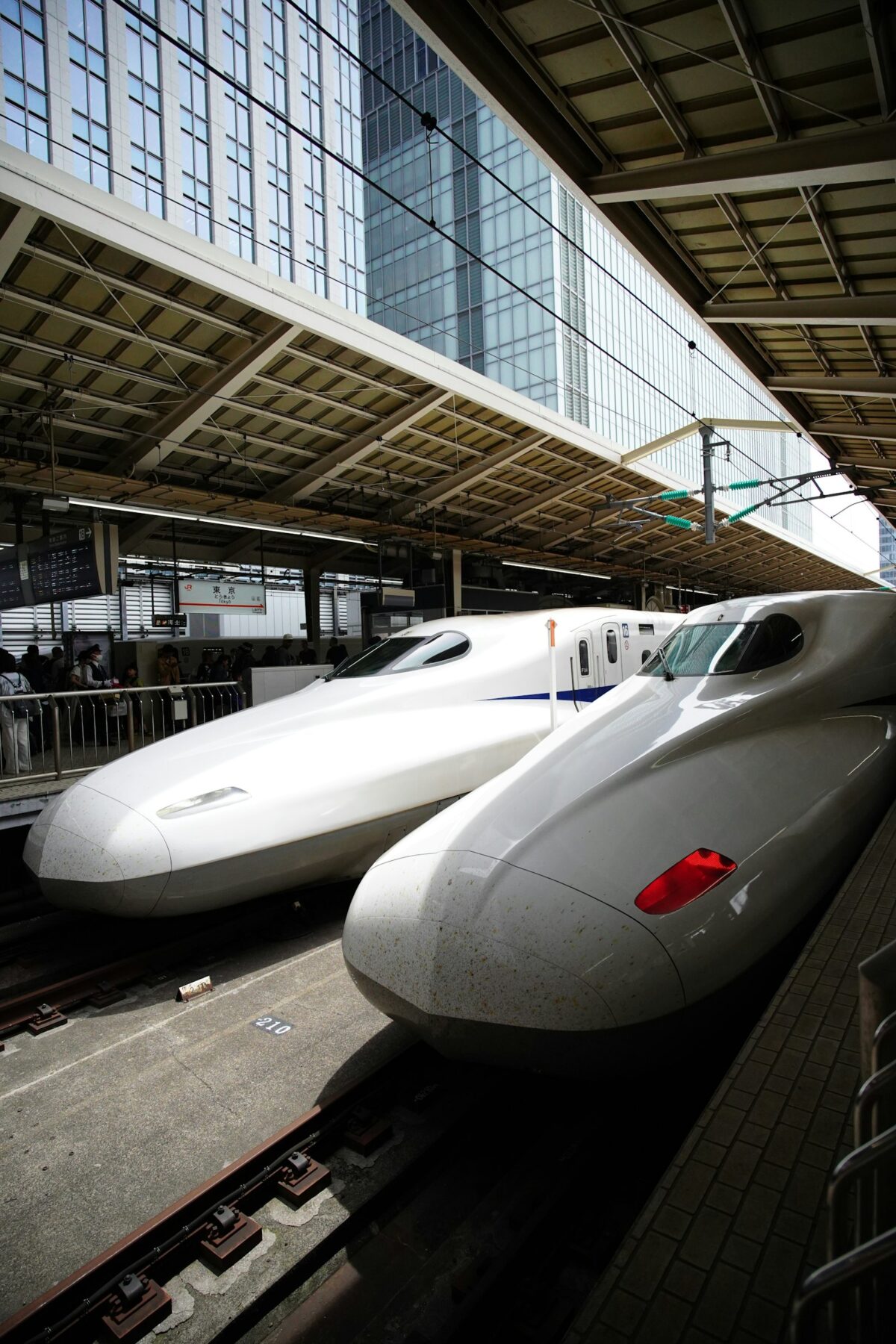
This is where the money goes. The Shinkansen is fast, comfortable and not cheap, and a single long-distance leg can cost more than two nights in a business hotel.
The Japan Rail Pass can be excellent value or a clear waste depending on your route. Its price rose substantially in recent years, which changed the calculation for many itineraries, so do not rely on older advice. Price your actual planned journeys individually, then compare against the current pass price for the same period. A two-city trip usually does not justify a pass; a fast-moving multi-city route often does. Regional passes are frequently better value than the nationwide one.
Overnight buses are a genuine budget option between major cities, and domestic flights on low-cost carriers can undercut the Shinkansen on longer routes if you book ahead.
4. Food
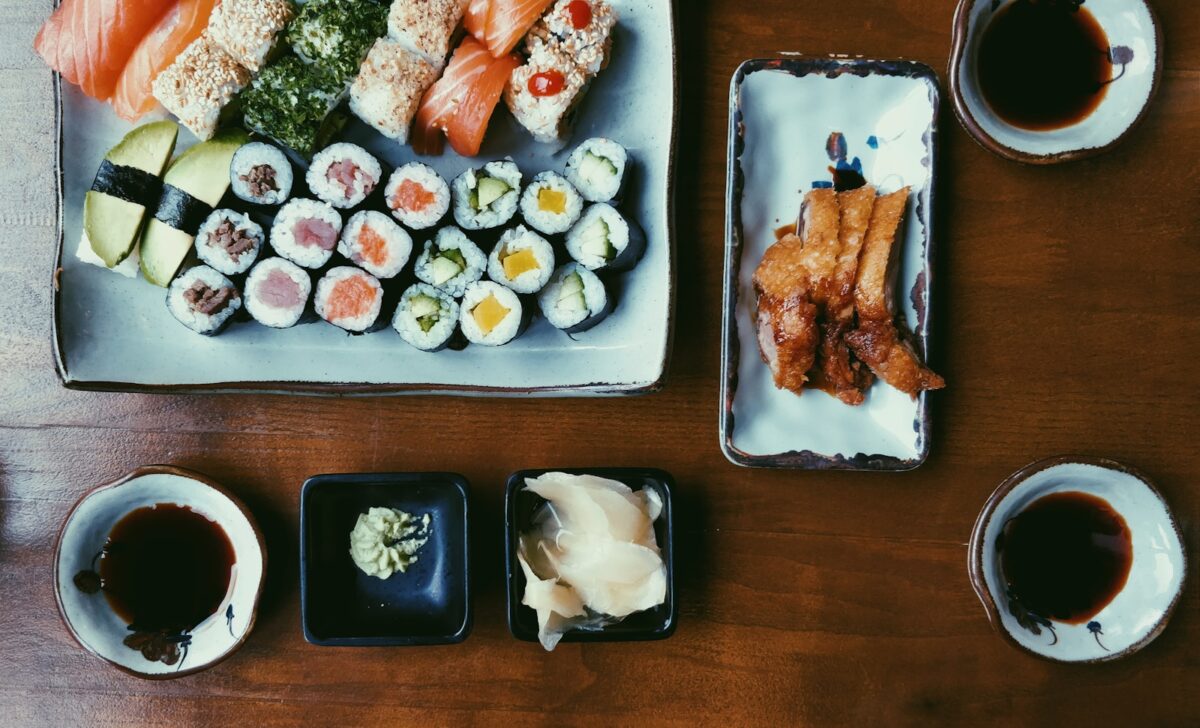
Food is where Japan quietly rewards you. Approximate prices, which vary by city and by year:
- Convenience store meal or bakery lunch: around ¥500 to ¥800
- A bowl of ramen or a rice bowl: around ¥900 to ¥1,300
- Set lunch at an ordinary restaurant: around ¥1,000 to ¥1,800
- Dinner at a casual izakaya with a couple of drinks: around ¥3,000 to ¥5,000 per person
- Coffee in a café: around ¥400 to ¥700
Tipping is not customary, and there is no service charge in most casual places, so the price you see is the price you pay. Supermarkets discount fresh food in the evening, and department store food halls are outstanding value for an evening meal. See our guides to Japanese supermarkets, convenience stores and drinking in Japan.
5. Everything else
- Temples, shrines and gardens: many are free; paid entry is typically a few hundred yen.
- Museums and observation decks: commonly ¥1,000 to ¥3,000.
- Experiences such as a tea ceremony, a cooking class or a sumo tournament ticket: from a few thousand yen upwards.
- Coin lockers: a few hundred yen, and worth every one on a travel day.
- Connectivity: an eSIM or pocket wi-fi for a fortnight is a modest fixed cost. See SIM cards, eSIMs and pocket wi-fi.
- Shopping. Be honest with yourself here. This is the line that most often doubles unexpectedly.
Three ways a ten-day trip can look
Excluding flights, per person, as a planning sketch rather than a quotation. Convert at today’s rate, and add a contingency.
Careful
Hostels and capsules, convenience stores and cheap restaurants, mostly free sights, one intercity journey. Comfortable rather than grim: Japan is unusually good at inexpensive.
Standard
Business hotels, restaurant meals most days, two or three intercity journeys, a handful of paid attractions. This is what most first-time visitors actually do.
Comfortable
Better hotels plus one or two nights in a ryokan, a couple of special meals, reserved Shinkansen seats and some guided experiences.
The gap between “careful” and “standard” is mostly accommodation. The gap between “standard” and “comfortable” is mostly meals and ryokan nights. Neither is transport, which is why cutting the rail budget rarely saves as much as people hope.
Where UK travellers most often overspend
- Buying a rail pass reflexively. Price your route first. This is the single most common expensive mistake.
- Booking Tokyo accommodation too centrally. The rail network is so good that being twenty minutes out can halve the price.
- Moving cities too often. Every move costs a fare, a morning and a certain amount of energy. Three cities in ten days is usually better than five.
- Paying UK card fees. Foreign transaction and ATM fees add up quietly. Check your card before you go.
- Airport transfers. There is almost always a cheaper train alternative to the express option. See our airport-to-hotel guide.
How to bring the total down without ruining the trip
- Travel outside blossom season, Golden Week, Obon and New Year.
- Stay in business hotels and spend the difference on food.
- Eat lunch out and dinner from a supermarket or food hall a couple of times a week.
- Use regional rail passes rather than the nationwide one where your route allows.
- Forward your luggage between cities instead of paying for extra seat reservations and taxis.
- Learn enough Japanese to order and ask confidently, which opens up the smaller, cheaper places that do not have English menus. Our Travel Japanese sessions are built for exactly that.
Frequently asked questions
Is Japan more expensive than Europe?
The flight is more expensive from the UK. Once there, food and city transport are generally cheaper than western Europe, accommodation is comparable, and intercity rail is more expensive.
Is the Japan Rail Pass still worth it?
Sometimes. Its price increased significantly, so it now only pays for itineraries with a lot of long-distance travel in a short window. Price your specific journeys against the current pass price rather than assuming.
How much spending money per day should I take?
Budget separately for accommodation, then think in daily terms for food, transport and entry fees. Most travellers find food and local transport predictable, and shopping is the variable.
Should I take cash or rely on cards?
Both. Cards work widely in cities, but cash still matters for small restaurants, shrines, lockers and rural travel. See our payments guide.
How many days do I need for a first trip?
Ten to fourteen days is the usual sweet spot from the UK, given the flight. We look at this in How Many Days Do You Need in Japan?
The exchange rate, and what to do about it
The pound-to-yen rate moves considerably, and over a two-week trip it can change the total noticeably. You cannot control it, but you can stop it working against you.
- Check the rate before you set the budget, not after you have booked. A figure someone quoted in a blog post two years ago may be wildly out.
- Use a card that does not add a foreign transaction fee. A few percent on every purchase is a larger number than most people realise across a whole trip.
- Always choose to be charged in yen when a card machine offers to convert to pounds for you. That conversion is almost never in your favour.
- Take a modest amount of cash and top up as needed rather than exchanging a large sum at once, unless the rate is unusually good.
- Withdraw larger amounts less often if your bank charges a flat ATM fee. Convenience store cash machines accept most foreign cards.
The costs people forget entirely
These do not appear in most Japan budget articles, and they are the reason a carefully planned trip still overruns.
- Travel insurance. Not optional for a long-haul trip, and healthcare in Japan is not free for visitors.
- Checked baggage on cheaper fares and on domestic low-cost flights within Japan, where allowances are tighter than you expect.
- Seat reservations on some Shinkansen services, especially in busy periods and with large luggage.
- Airport transfers at both ends, including the one at home, which people routinely leave out.
- Luggage forwarding and coin lockers, individually small and collectively not.
- Data. An eSIM or pocket wi-fi for the whole trip.
- The last day. Late checkout, a locker, a final meal and airport spending. Almost nobody budgets for the last day.
One thing that works in your favour
Tax-free shopping is available to short-term visitors at many shops, on purchases above a minimum spend, with your passport. The rules and thresholds change and the process has been revised in recent years, so check the current requirements rather than relying on older guidance. On a trip with significant shopping it is worth understanding before you go rather than discovering at the till.
A sensible order to book things
- Decide your dates and length first, because that determines almost everything else.
- Watch flights for a couple of weeks before booking, unless your dates are in a peak period, in which case book earlier.
- Book accommodation in the busiest cities next, especially for blossom or autumn colour weeks.
- Only then price the rail, once the route is fixed, and compare individual tickets against the current pass price.
- Leave experiences and restaurants until last, apart from anything that genuinely sells out.
Booking in that order stops the most expensive mistake of all, which is building a route around a rail pass you bought before you knew where you wanted to go.
If you would rather not guess
Most overspending comes from the route, not from daily choices. Our Japan trip planning service starts at £15 and is built by Japanese people who live here, so you get an itinerary that avoids the expensive mistakes above. We will also tell you plainly if your existing plan is already fine.
See Japan trip planning options
Read our step-by-step planning guide
Affiliate disclosure. This article contains an affiliate link to Booking.com. If you book through it in the same browsing session, Iroha Passport may receive a small commission after your stay is completed, at no extra cost to you. We link to accommodation search pages rather than specific properties, and we do not receive anything for recommending one hotel over another. All prices mentioned are approximate and change; please check current prices before booking.
About Iroha Passport
Iroha Passport helps English speakers learn Japanese and plan their trips to Japan. Lessons are taught by native Japanese teachers living in London, in person or online.
By Iroha Passport