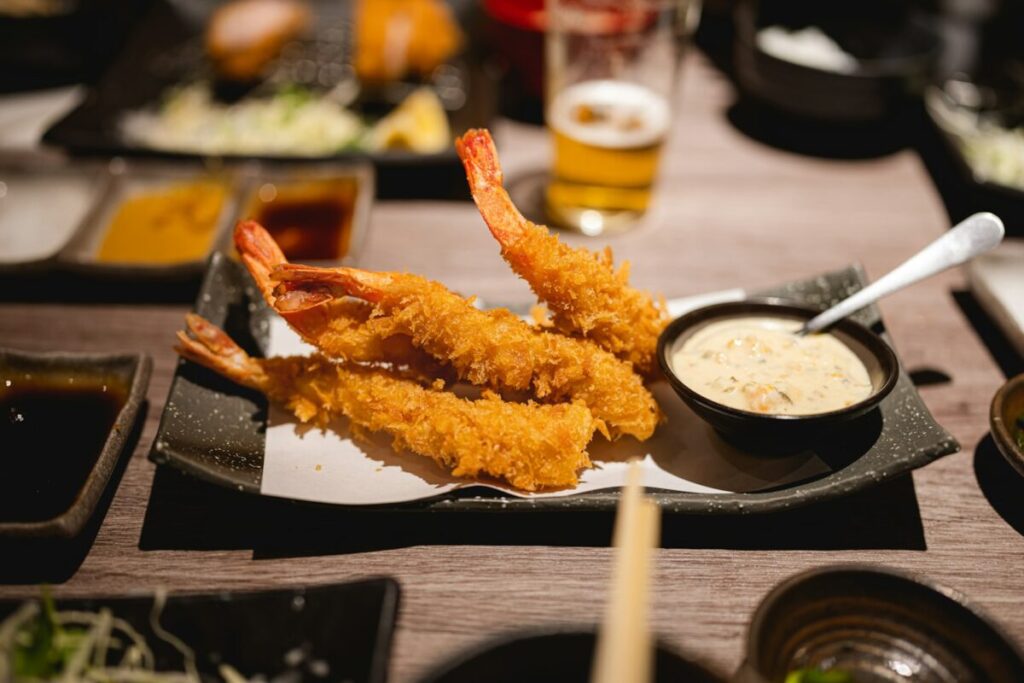
Japanese meals are a delight, and knowing a little about how to behave at the table lets you relax and savour them fully. No one expects a visitor to get everything perfect, but a grasp of the basics helps you feel comfortable and shows real respect for the culture. This friendly guide to Japanese dining etiquette covers the table manners every visitor to Japan should know — from chopstick do’s and don’ts to how to eat sushi and noodles, drink politely and finish your meal gracefully. Written by a native Japanese team for UK travellers, it’s here to build your confidence, not to make you anxious.
Before You Eat
A few gentle customs open every meal. You’ll usually be handed a warm or cool damp towel called an oshibori — use it to wipe your hands (not your face or the table). Before eating, it’s customary to say “Itadakimasu,” a phrase of gratitude roughly meaning “I humbly receive,” often with a small bow of the head. If you’re pouring drinks, it’s polite to fill others’ glasses rather than your own. And remember there’s no tipping in Japan, so there’s nothing to calculate at the end. If you’d like a refresher on the mechanics of menus, ticket machines and calling staff, our guide to ordering food in Japan pairs neatly with this one.
Chopstick Do’s and Don’ts
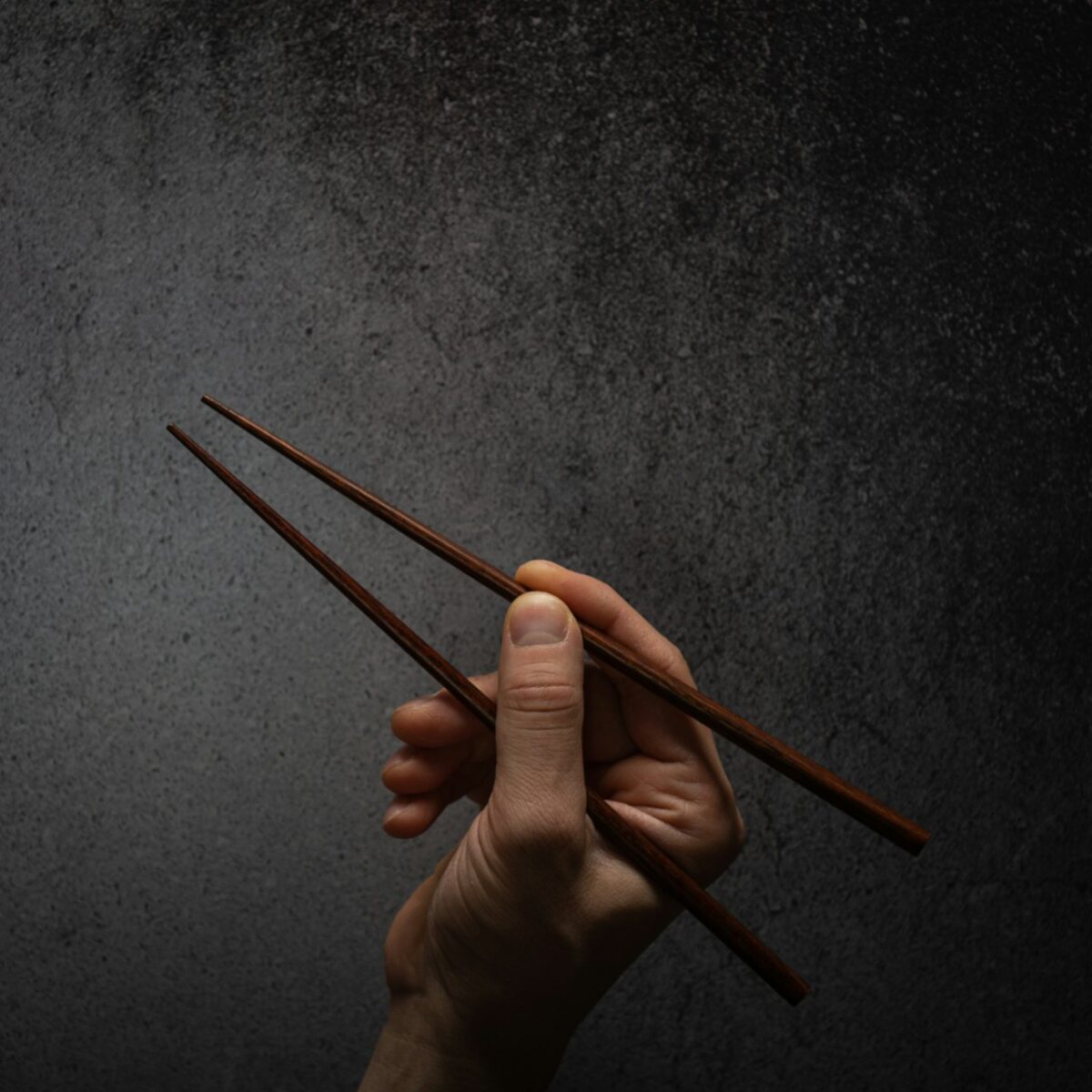
Chopsticks come with a handful of rules, and a couple of them matter because they carry meaning. Never stand your chopsticks upright in a bowl of rice, and never pass food directly from your chopsticks to someone else’s — both echo funeral rituals and are considered unlucky. Beyond that, avoid spearing food, waving your chopsticks around or using them to point at people or dishes, and don’t rummage through a communal plate. When taking food from a shared dish, use the serving chopsticks provided, or turn your own chopsticks around and use the clean ends. Between bites, rest your chopsticks neatly on the little holder (hashioki) or across your bowl. These small habits quickly become second nature and mark you as a considerate guest.
How to Eat Common Dishes
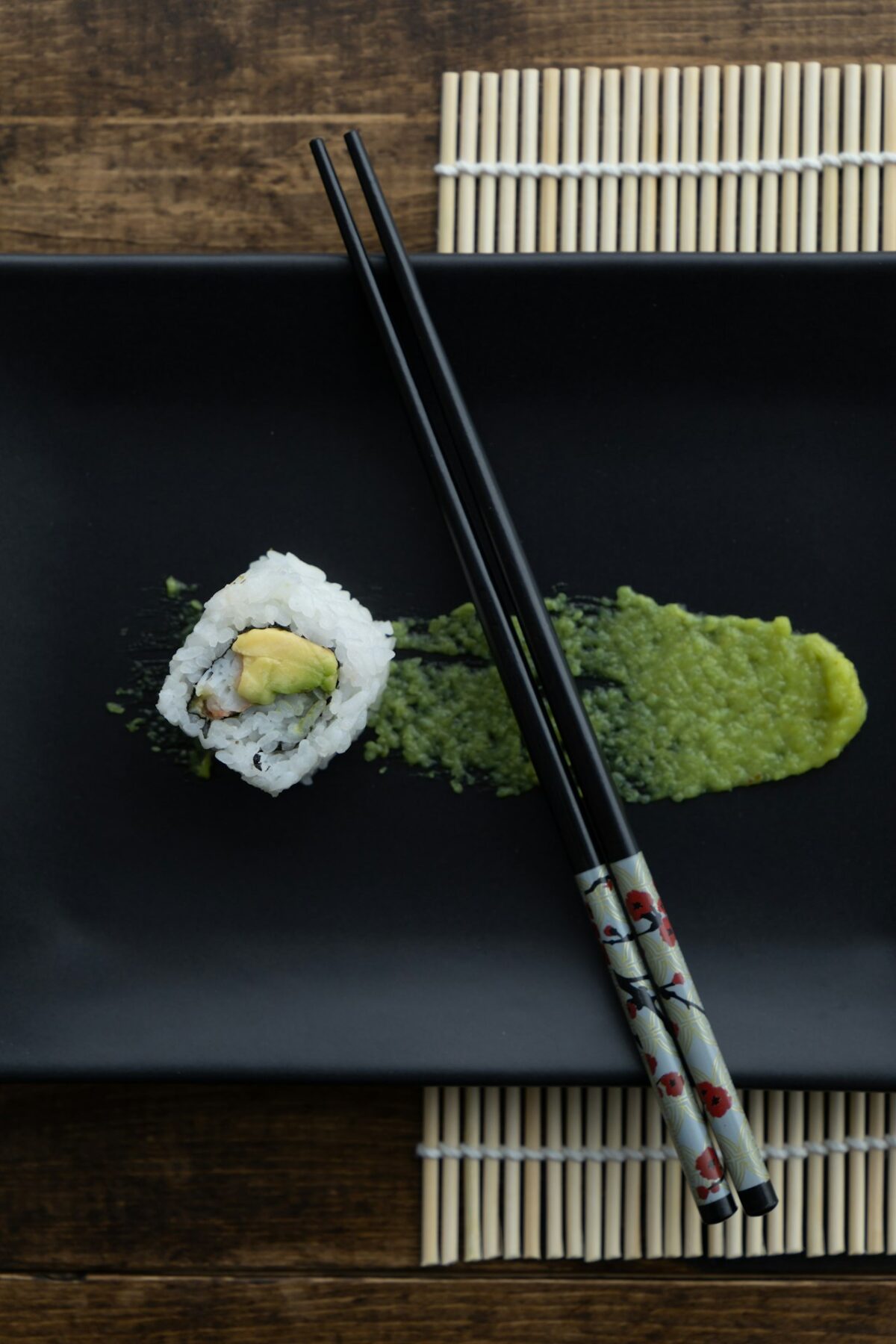
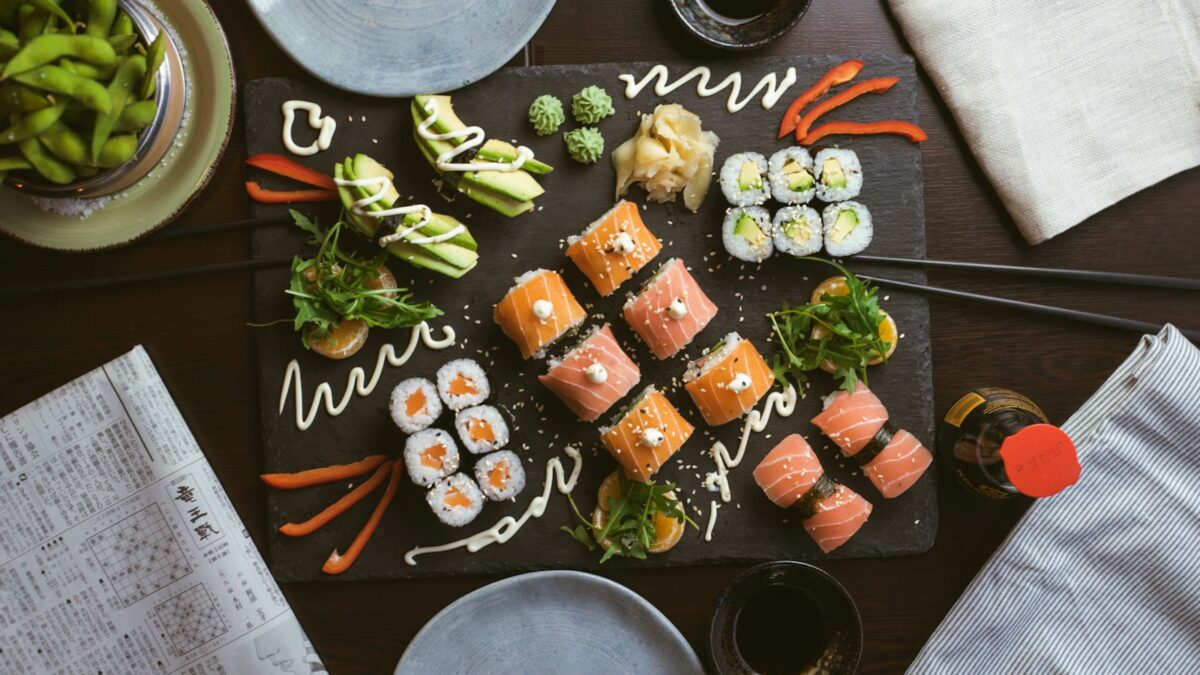
Different dishes have their own gentle etiquette, and getting it right makes them taste even better. Sushi can be eaten with your fingers or chopsticks; dip it lightly in soy sauce fish-side down rather than soaking the rice, and eat each piece in one bite if you can, using the pickled ginger to cleanse your palate between types. With ramen and noodles, slurping is not only acceptable but a sign of enjoyment — and it cools the noodles as you eat — so lift the bowl and go for it. Small bowls of rice and miso soup are meant to be lifted toward you; drink the soup directly from the bowl and use chopsticks for the solid pieces. Avoid pouring soy sauce over plain rice, which is considered a little improper. When sharing plates, take a modest amount to your own small dish rather than eating straight from the communal platter.
Drinking Etiquette
Drinking together has its own warm rituals. It’s customary to pour for others rather than yourself, and to keep an eye on your companions’ glasses, topping them up as they empty; someone will do the same for you. When another person pours for you, it’s polite to hold your glass with both hands to receive it. Crucially, wait for the group’s toast — a cheerful “Kanpai!” — before taking your first sip, even if drinks arrive at different times. These little courtesies turn a round of drinks into a shared, convivial moment, which is very much the point of an evening out in Japan.
Finishing Your Meal
How you finish matters as much as how you start. Aim to eat all your rice — leaving grains behind is seen as a little wasteful, and clearing your bowl is quietly appreciated. Tidy your place as best you can when you’re done: replace lids on bowls if they had them, and return your chopsticks to their holder or wrapper. To express your thanks, say “Gochisōsama deshita” (“thank you for the meal”) to the staff or host as you leave — a lovely bookend to the itadakimasu you began with. Payment is usually made at the register by the entrance rather than at the table, and, once more, there’s no tipping to worry about.
Table Manners That Surprise Visitors
A few points often catch UK visitors off guard, in a good way. Slurping noodles and lifting your bowl — habits that might raise eyebrows at home — are perfectly correct here. On the other hand, eating while walking is generally avoided, so enjoy street food beside the stall rather than on the move. Blowing your nose at the table is considered impolite; step away if you need to. Keep phones off the table and voices low, especially in quieter restaurants. And there’s no need to finish a drink you don’t want or to feel rushed — meals are relaxed, sociable affairs. Once you know these small differences, dining out feels completely natural.
Eating at a Ryokan or Formal Meal
A more formal meal, such as a multi-course kaiseki dinner at a traditional inn (ryokan), has a little more ceremony but nothing to fear. You’ll often dine on tatami matting, so shoes come off, and dishes arrive in a considered sequence meant to be enjoyed in order. Take your time, appreciate the presentation, and follow your host’s lead if you’re unsure. If sitting on the floor is uncomfortable, it’s fine to shift from the formal kneeling posture (seiza) to a more relaxed position, and many places now provide legless chairs or floor seats with backs. A kaiseki meal is one of the culinary highlights of a trip to Japan, and approaching it with calm curiosity is all the etiquette you really need.
A Few Useful Phrases
- いただきます (Itadakimasu) — said before eating
- ごちそうさまでした (Gochisōsama deshita) — said after eating
- 乾杯! (Kanpai!) — Cheers!
- おいしいです (Oishii desu) — It’s delicious
- お会計をお願いします (Okaikei o onegai shimasu) — The bill, please
More Chopstick Habits to Avoid
A few extra chopstick no-nos are worth a quick mention, because they’re easy to do without realising. Try not to hover or wander over the dishes with your chopsticks while deciding what to take (known as mayoi-bashi), and don’t drum or play with them. Avoid using chopsticks to drag a bowl or plate toward you — lift it with your hand instead — and don’t leave them sticking out of your food between bites. If you’re given disposable wooden chopsticks, snap them apart gently and there’s no need to rub them together, which can suggest you think they’re cheap. None of these are grave sins, and a friendly slip is always forgiven, but knowing them helps you feel poised at the table.
Sharing Dishes and Serving Others
Much of Japanese dining, especially at an izakaya, revolves around shared plates, and there’s a gentle etiquette to it. When taking food from a communal dish, use the serving chopsticks if they’re provided, or turn your own chopsticks around and use the clean ends — a small courtesy that’s noticed and appreciated. Take a modest portion onto your own little plate rather than eating straight from the shared platter or piling your plate high. It’s thoughtful to make sure everyone has had a chance at a dish before you go back for more, and offering the last piece to others (rather than claiming it) is a nice touch. Sharing generously and considerately is really the heart of a good meal out.
Allergies and Special Requests at the Table
If you have an allergy or a dietary need, it’s perfectly acceptable to raise it politely, and staff will do their best to help. The most reliable approach is a written card in Japanese explaining what you can’t eat, backed up by a translation app for checking specific dishes. Asking whether something contains a particular ingredient — for instance fish stock (dashi) — is completely normal and not considered fussy. Japanese hospitality runs deep, and a clearly and kindly expressed request is usually met with genuine care. A little preparation here means you can relax and enjoy the meal rather than worrying your way through it.
Conclusion
Japanese dining etiquette comes down to a spirit of gratitude and consideration — for the food, the people who made it and those sharing your table. Say itadakimasu and gochisōsama, mind the couple of chopstick taboos, slurp your noodles, pour for others, and clear your rice, and the rest looks after itself. These small courtesies aren’t hurdles; they’re part of what makes eating in Japan such a warm, memorable pleasure. For more on good manners across your whole trip, see our guide to Japanese etiquette.
Want to add a few polite phrases before you go, so you can thank a chef or toast your friends in Japanese? A short, focused Travel Japanese session covers exactly this — you can book a fast-track session ahead of your trip.
About Iroha Passport
Iroha Passport is a London-based Japanese language and travel service with over six years of experience. Our native Japanese team offers honest, practical guidance and short, focused Travel Japanese preparation. By Iroha Passport.