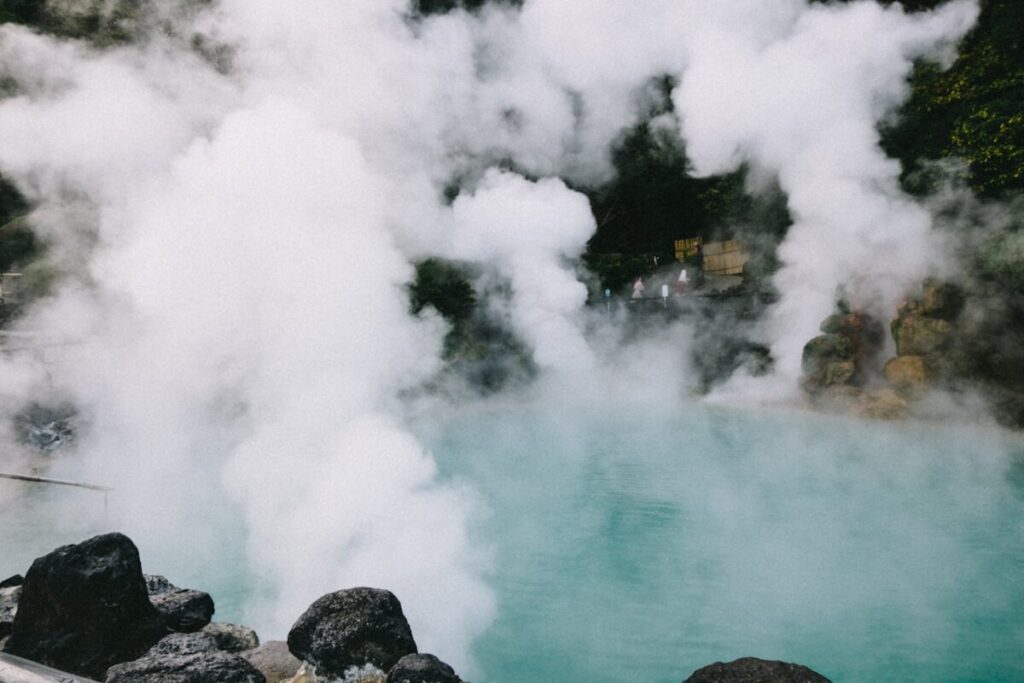
If you have a tattoo and you’re planning a trip to Japan, you’ve probably heard that it might be an issue — and it’s a fair question. The subject of tattoos in Japan is more nuanced than the headlines suggest: for everyday sightseeing they’re rarely a problem, but for communal bathing there are still real customs to navigate. This guide, written by a native Japanese team for UK travellers, explains why tattoos can be sensitive, where restrictions usually apply, and the simple solutions that let you enjoy everything — including tattoos and onsen in Japan — without stress or awkwardness.
Why Tattoos Can Be Sensitive in Japan
The background helps everything else make sense. In Japan, tattoos have historically carried an association with organised crime (the yakuza), and for generations visible tattoos were seen as something to keep private, particularly in shared spaces. That association is fading, especially among younger people, but it lingers in certain settings — above all at communal baths, where the tradition of a rule-free, harmonious shared space runs deep. It’s important to understand that a “no tattoos” policy is almost never a personal judgement of you as a visitor; it’s a long-standing house rule rooted in local custom. Seeing it that way makes the practical steps below feel less like a hurdle and more like simple good manners.
Where Restrictions Usually Apply
Restrictions cluster around a few specific places rather than daily life in general. The main ones are hot springs (onsen) and public bathhouses (sentō), where many establishments still ask guests with tattoos not to enter the shared baths. Some gyms, swimming pools and water parks have similar policies, and occasionally a beach or a traditional inn’s communal bath will too. You’ll often see a sign at the entrance. The common thread is communal bathing and shared facilities — precisely the settings where the old customs are strongest. Away from these, the vast majority of Japan is open to you exactly as it is to anyone else, which is why a little planning around bathing is usually all that’s needed.
Simple Solutions
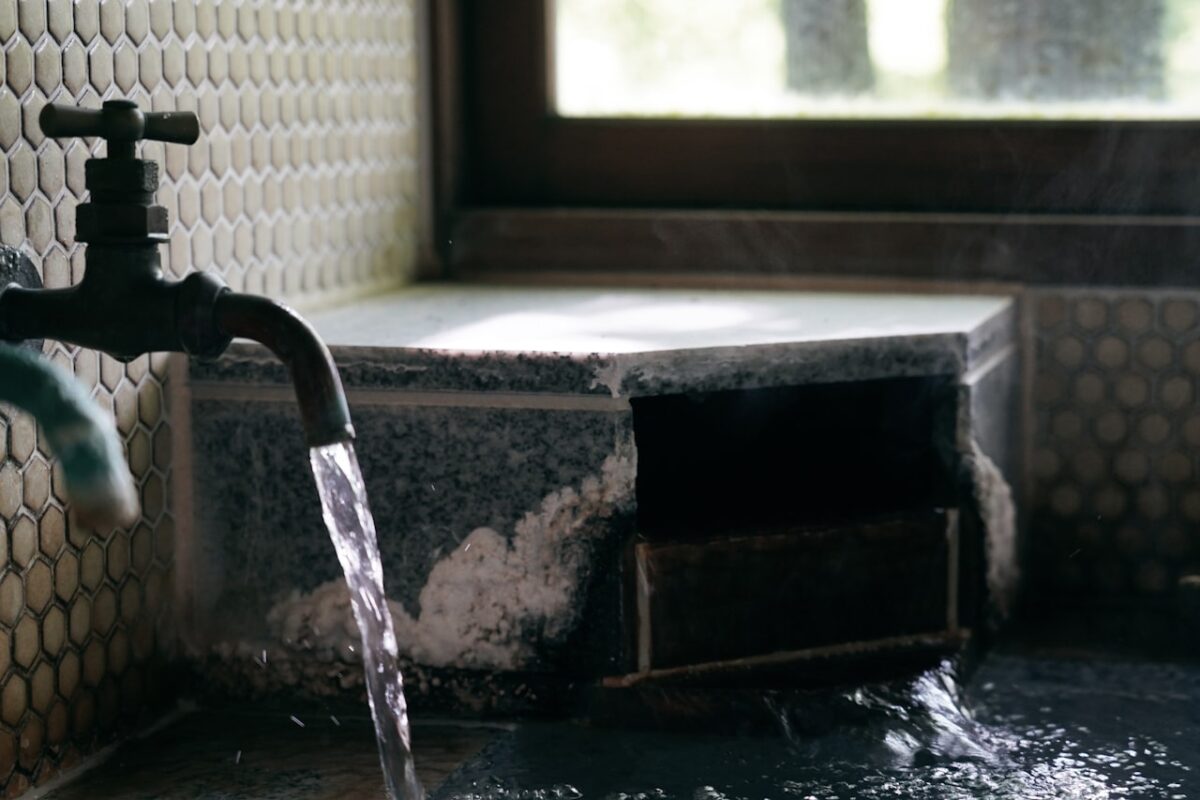
Happily, there are several easy ways to enjoy an onsen with tattoos. For small or medium tattoos, waterproof cover stickers or skin-tone tape (sold online and at pharmacies and large drugstores in Japan) discreetly hide them, and many baths are perfectly happy with this. Better still, seek out a private bath: many ryokan and onsen offer a kashikiri (reservable private bath) or a room with its own en-suite onsen, where no rules apply because you’re bathing alone or with your own party. A growing number of tattoo-friendly onsen welcome inked guests openly, and these are easy to find with a quick search or by asking your accommodation to recommend one. Booking a ryokan with a private bath is the most relaxing solution of all. Our onsen guide for first-timers explains the whole bathing experience step by step.
Everyday Life Is Usually Fine
Here’s the reassuring part: for ordinary travel, tattoos are very rarely an issue. Walking around cities, eating in restaurants, shopping, visiting temples and shrines, riding trains and enjoying the sights — none of this is generally a problem, and you’ll see plenty of visitors and locals with visible tattoos. In more traditional or formal settings, and out of respect at temples and shrines, some travellers choose to cover larger tattoos with light clothing simply as a courtesy, but it’s a personal choice rather than a requirement. In day-to-day terms, you can relax: Japan is a welcoming place, and your tattoos won’t stand between you and the overwhelming majority of what you’ve come to experience.

Attitudes Are Changing
It’s also worth knowing that things are shifting. As international tourism grows and younger generations embrace tattoos as fashion and self-expression, more onsen, hotels and facilities are relaxing their policies or offering tattoo-friendly options. Tourist regions in particular have become noticeably more accommodating. That said, change is gradual and uneven, and traditional establishments — often the most atmospheric ones — may still hold to the old customs. The considerate approach is to enjoy the growing openness while respecting the places that prefer the traditional way, checking ahead rather than assuming. Meeting local norms with good grace is always appreciated and keeps the experience pleasant for everyone.
Practical Tips
A little preparation makes tattoo-friendly travel effortless. Research and note a few tattoo-friendly onsen or ryokan with private baths for the areas you’re visiting, and book ahead where a private bath is limited. Pack waterproof cover tape for smaller tattoos as a handy backup. When in doubt, ask your accommodation politely — staff are used to the question and can point you to the right option. Be a touch more discreet in formal or sacred settings as a courtesy, and carry the same respectful, easy-going attitude that serves travellers so well everywhere in Japan; our etiquette guide has more on that spirit. With these small steps, tattoos become a non-issue and you’re free to soak, sightsee and savour it all.
Where the No-Tattoo Rule Comes From
Understanding the background helps the whole topic make sense. In Japan, tattoos historically carried associations that led many bathing facilities to introduce no-tattoo policies as a blanket rule. That history is why the issue centres on communal baths rather than everyday life. Attitudes have been softening for years, particularly as international tourism has grown, but because policies are set facility by facility, you’ll still meet a mix of approaches — which is exactly why checking ahead is the simplest strategy.
How to Ask Politely
If you’re unsure whether a place accepts tattoos, it’s perfectly fine to ask at reception before paying. A polite enquiry, perhaps showing that you’re happy to use a cover patch, is usually met with a helpful answer and often a workable solution. Staff would much rather you ask than be caught out, and being courteous and flexible goes a long way. If one place can’t accommodate you, they can often point you towards a nearby option that can.
A few words of Japanese make the exchange smoother. To ask whether tattoos are allowed, you can say “Tattoo wa daijōbu desu ka?” (Are tattoos okay?) or the more traditional “Irezumi ga arimasu ga, ii desu ka?” (I have a tattoo — is that all right?). If you would like to mention a cover, “Shīru de kakushimasu” means “I’ll hide it with a patch.” Should the answer be no, a gracious “Wakarimashita, arigatō gozaimasu” (Understood, thank you) keeps things warm. Saving these on your phone, or showing a short note written in Japanese, works just as well if speaking feels daunting — and staff almost always appreciate the effort to ask in their own language.
Day-Use, Timing, and Alternatives
There are more options than many travellers realise. Some facilities relax their rules at certain times or offer private-bath time slots that sidestep the issue entirely. Day-use plans at ryokan and hot-spring hotels can include access to private baths without an overnight stay. Foot baths (ashiyu), which are enjoyed clothed, are another relaxing and completely tattoo-neutral way to experience hot-spring water, and they’re often free and dotted around onsen towns.
Common Questions
Will I be turned away everywhere? No — everyday life is unaffected, and even for bathing there are plenty of tattoo-friendly and private options. Are small tattoos usually fine? Often, especially if covered with a patch, though it depends on the facility. Can a large tattoo be covered? If it’s too big for patches, a private bath is the easy answer. Is it rude to have visible tattoos in public? Not at all in day-to-day settings; the consideration is really only about communal bathing and a few similar spaces.
Sun, Sea, and Everyday Settings
Out and about, there’s very little to think about. Walking around with visible tattoos in cities, towns, restaurants, and shops is completely normal, and you’ll see plenty of both visitors and younger Japanese people with tattoos. At the beach or a pool, a quick check of the rules and a cover-up if needed is all it takes. In short, the everyday backdrop of your trip is entirely relaxed about tattoos.
Conclusion
Travelling in Japan with tattoos is entirely comfortable once you understand the landscape. For everyday life, they’re rarely a concern; for communal bathing, a private bath, a tattoo-friendly onsen or a discreet cover solves it neatly. Approach the traditional customs with respect rather than frustration, do a little planning around the baths, and you’ll enjoy every part of your trip — hot springs included — without a second thought. Attitudes are opening up, and with a considerate mindset, your ink need never hold you back.
Would you like your trip planned around tattoo-friendly onsen and ryokan with private baths, so the relaxing part is truly relaxing? Our native Japanese team can arrange it through Travel Planning, and a little Travel Japanese helps you ask with confidence.
About Iroha Passport
Iroha Passport is a London-based Japanese language and travel service with over six years of experience. Our native Japanese team offers honest, practical guidance alongside Travel Planning and Travel Japanese. By Iroha Passport.