Introduction
Japan is known for its hospitality, cleanliness, and attention to detail, and these qualities are reflected in its hotels.
Whether you’re staying in a modern city hotel, a budget-friendly business hotel, or a traditional ryokan, you’ll likely notice some differences compared to hotels in the UK.
For first-time visitors, some of these differences can be surprising. However, understanding a few basic customs and expectations can help you enjoy a smoother and more comfortable stay.
✨ Planning a trip to Japan and want to feel more confident communicating at hotels, stations, and restaurants? Our 2-hour Japanese for Travel Session helps you practise useful phrases for real travel situations. 👉 Travel with confidence — book your session here.
1. Types of Hotels in Japan
Japan offers a wide range of accommodation options to suit different budgets and travel styles.
Some of the most common include:
- Business hotels
- Luxury hotels
- Capsule hotels
- Ryokan
Business hotels are particularly popular among travellers because they are affordable, clean, and conveniently located near train stations.
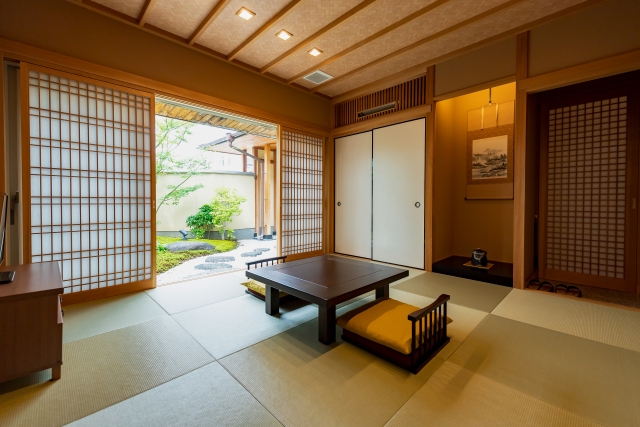
Ryokan, on the other hand, offer a more traditional Japanese experience, often including tatami rooms, futon bedding, and Japanese-style meals.
2. What Check-In Is Like
The check-in process in Japan is usually efficient and straightforward.
You may be asked for:
- Your passport
- Reservation details
- Payment information
Some hotels collect payment at check-in, while others charge at check-out.
Hotel staff are generally polite and professional, and many hotels in tourist areas can provide assistance in English.
You may also receive information about breakfast times, Wi-Fi access, and hotel facilities during check-in.
3. Common Hotel Features
One thing that surprises many visitors is that hotel rooms in Japan can be smaller than those in the UK.
However, they are often designed very efficiently and include everything you need.
Common features include:
- Compact but practical rooms
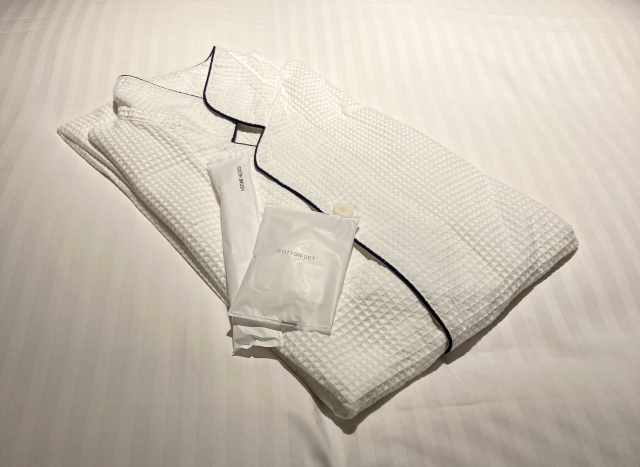
- Pajamas or sleepwear
- Slippers
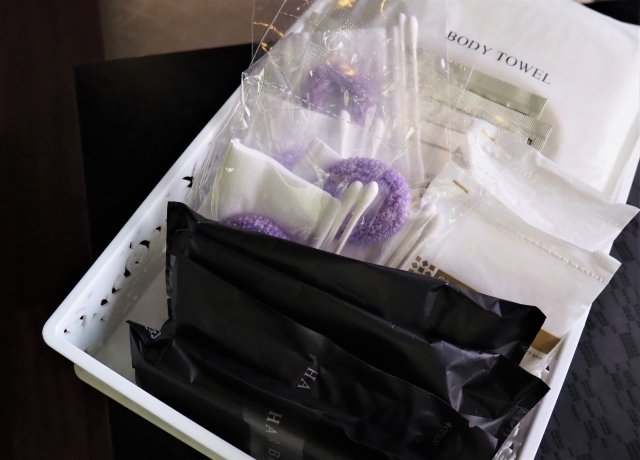
- Toiletries
- Well-designed bathrooms
Many visitors are impressed by how much comfort is provided in a relatively small space.
4. Hotel Etiquette in Japan
Japanese hotels are generally quiet and orderly.
A few basic etiquette points include:
Keep noise to a minimum, especially at night.
Follow smoking rules carefully.
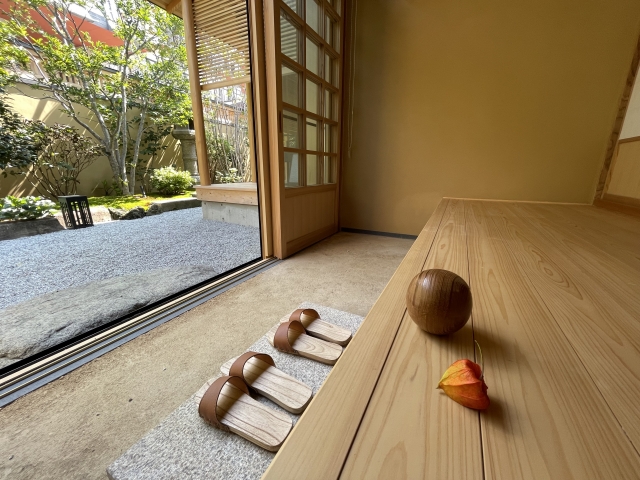
Use slippers where provided.
Treat hotel facilities respectfully.
If you’re staying in a ryokan, there may be additional customs, such as removing your shoes before entering certain areas.
These practices help create a comfortable environment for all guests.
5. Useful Japanese Phrases
Here are a few useful phrases that may help during your stay.
予約しています。(Yoyaku shiteimasu.) I have a reservation.
チェックインをお願いします。(Chekku in o onegaishimasu.) I’d like to check in.
Wi-Fiはありますか?(Wi-Fi wa arimasu ka?) Do you have Wi-Fi?
ありがとうございます。(Arigatou gozaimasu.) Thank you very much.
Even knowing a few simple phrases can make communication easier and help create positive interactions.
Conclusion
Japanese hotels are known for their cleanliness, efficiency, and excellent service.
While some aspects may feel different from what you’re used to, these differences are often part of what makes staying in Japan such an enjoyable experience.
By understanding a few basic customs and learning some useful phrases, you can feel more confident and comfortable during your stay.
If you’d like to prepare for real-life situations such as hotel check-ins, asking questions, and travelling around Japan, our Japanese for Travel Session can help you build practical communication skills before your trip.
Related Guides
Planning your trip? Explore our Travel Planning service, or get ready to speak with confidence through Travel Japanese lessons. For steady, self-paced progress, check out Self-study Support.