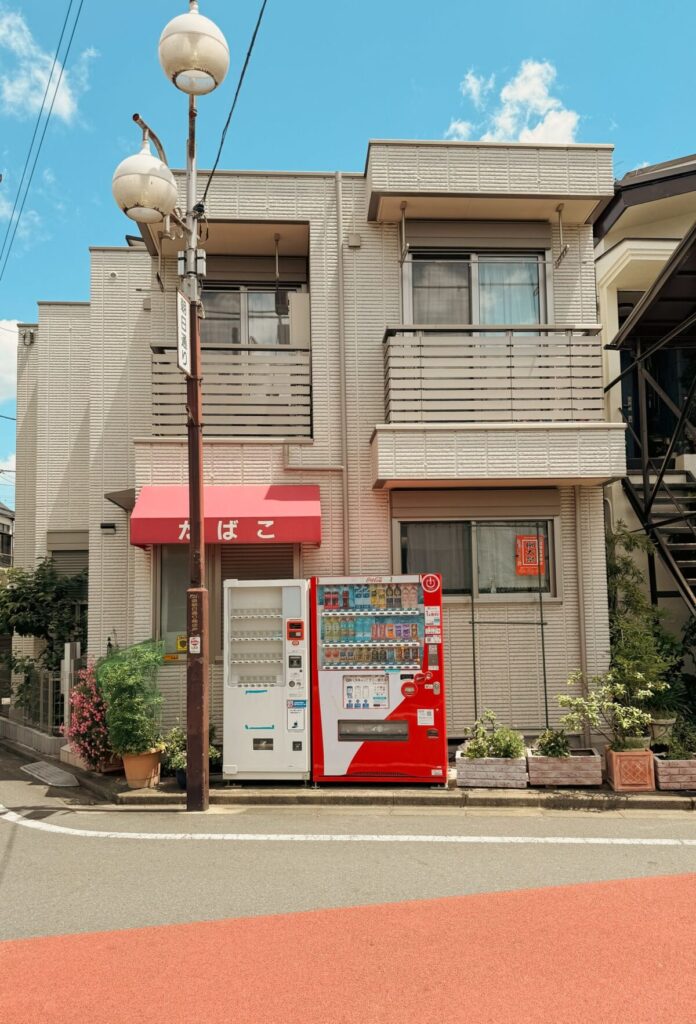
If you are wondering how to use a Japanese vending machine, the short answer is that it is easier than it looks. You put in money, press the lit button under the drink you want, and take it from the slot at the bottom. The details are where first-timers hesitate: which buttons mean hot and which mean cold, what to do if nothing happens, and how the ticket machines at restaurants differ from the drink machines on the street. This guide walks through all of it, step by step, with the Japanese you are likely to see.
We are native Japanese teachers living in London, and these are the questions our Travel Japanese learners ask us before a first trip. If you would like the background on why Japan has so many machines in the first place, we cover that in our guide to Japan’s vending machine culture. Here we stay practical.
The basic steps at a glance
Almost every drink machine works in the same way. Once you have done it once, you can do it anywhere.
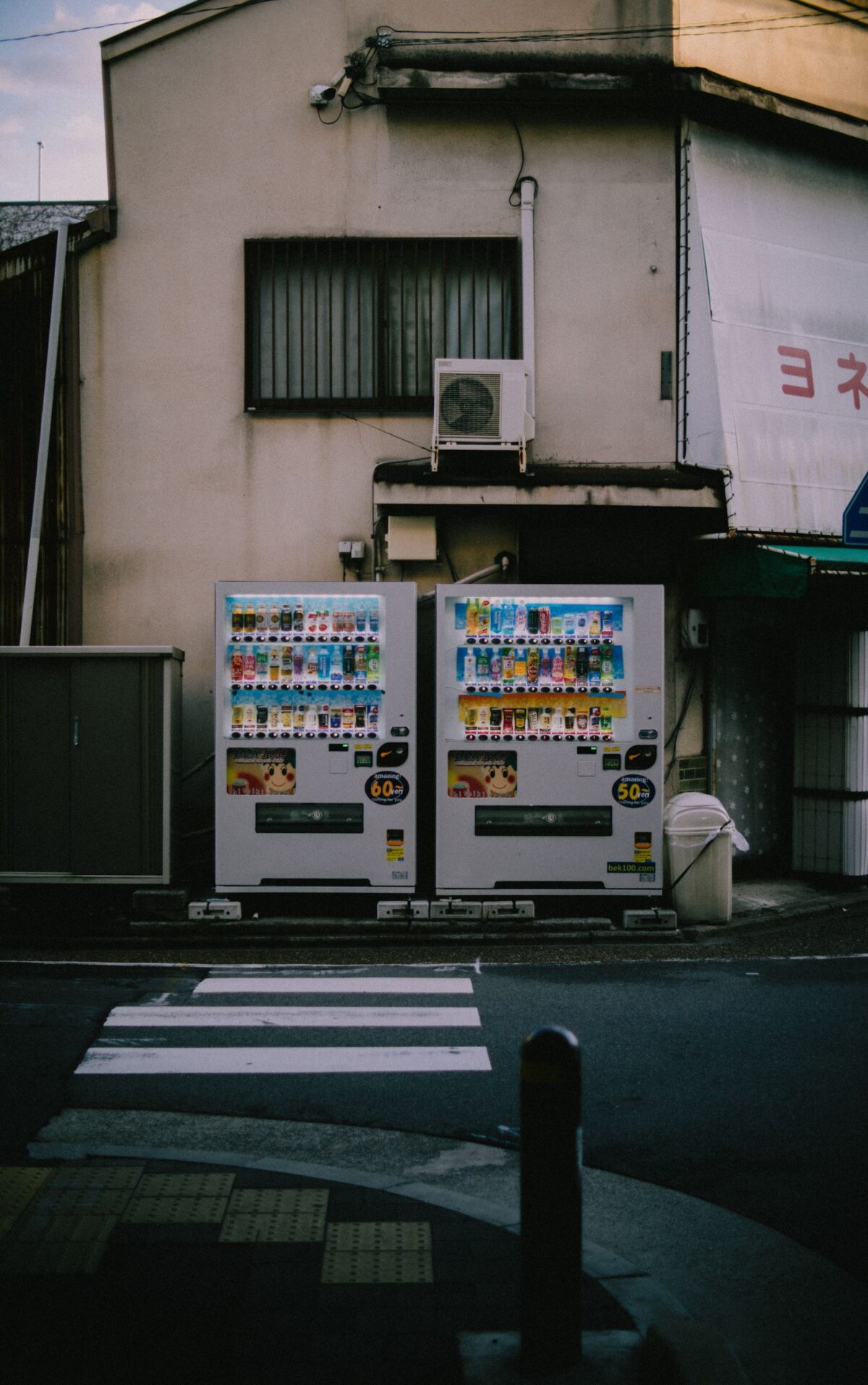
- Look at the display and choose your drink. Each product is shown with a price in yen underneath or beside it.
- Insert coins or a note, or hold your IC card to the reader if the machine has one.
- Wait for the buttons to light up. Lit buttons mean you have paid enough for that item.
- Press the button for your drink.
- Take your drink from the slot at the bottom, then collect any change from the coin return.
Some machines let you press first and pay afterwards, and others want the money first. If you are not sure, put the money in first. It is the order that works most often.
Paying with coins and notes
Cash is still the most dependable way to pay. Japanese coins come in 1, 5, 10, 50, 100 and 500 yen, and most drink machines accept the larger ones without any trouble. Keep a handful of 100 and 500 yen coins in your pocket and you will rarely be stuck.
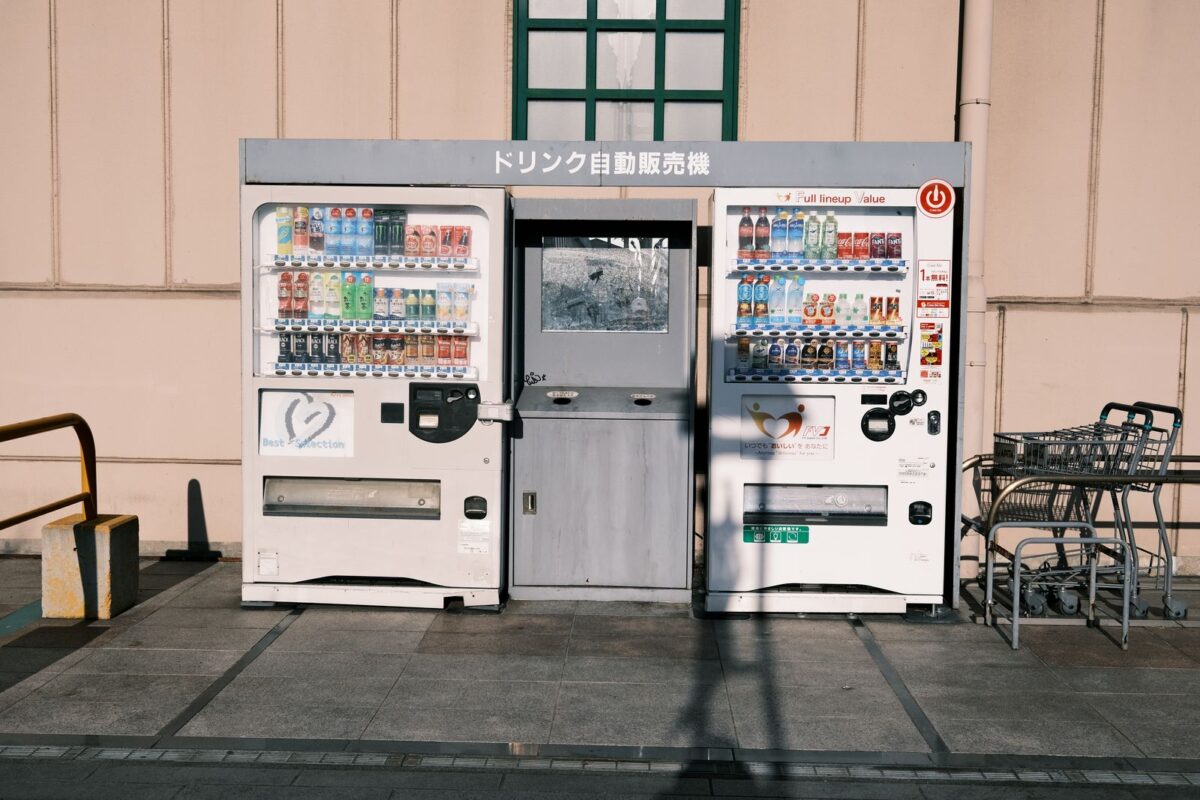
Notes are a little less certain. Many machines take 1,000 yen notes, but not every machine does, and older or smaller machines may only take coins. A note that has been folded or is very crumpled can be rejected, so smooth it out and try again before you give up. We would not rely on feeding a large note into a machine you have never used, and we would avoid the largest notes altogether.
Paying by IC card or contactless
Many machines now have a reader for a transport IC card, and some accept other cashless options. This varies a lot from machine to machine, so we would treat it as a bonus rather than a plan. Look for a card or contactless symbol on the front of the machine, and check the display for a message once you have touched your card.
Typically you hold the card to the reader first, the buttons light up, and you press your choice. We explain how IC cards and other payment methods work across Japan in our Japan payment methods guide. Having a few coins as a back-up is still sensible.
Choosing your drink: lights, buttons and sample displays
On most drink machines you will see a row of sample products, each with a small price label and a button beneath it. The samples are often plastic or real bottles sitting behind glass, and some machines show a screen instead. The buttons stay dark until you have inserted enough money, and then the ones you can afford light up.
If a button is not lit even though you have put in plenty of money, the item may be sold out. Look for a small sign on or near the button. The word you want to recognise is below.
売り切れ
Urikire
Sold out
Some machines also show a message such as 準備中 (junbi-chū, “getting ready”) when a product is still being cooled or heated. Try again in a minute or choose something else.
If you press the wrong button, you usually cannot change your mind afterwards, so double-check which button sits under the drink you want. Buttons are normally directly below or beside the item, not in a separate number pad.
Hot and cold: red and blue labels
This is the detail that surprises visitors most. In Japan, a single machine often sells both hot and cold drinks, side by side. The way to tell them apart is the colour of the label or the price tag.
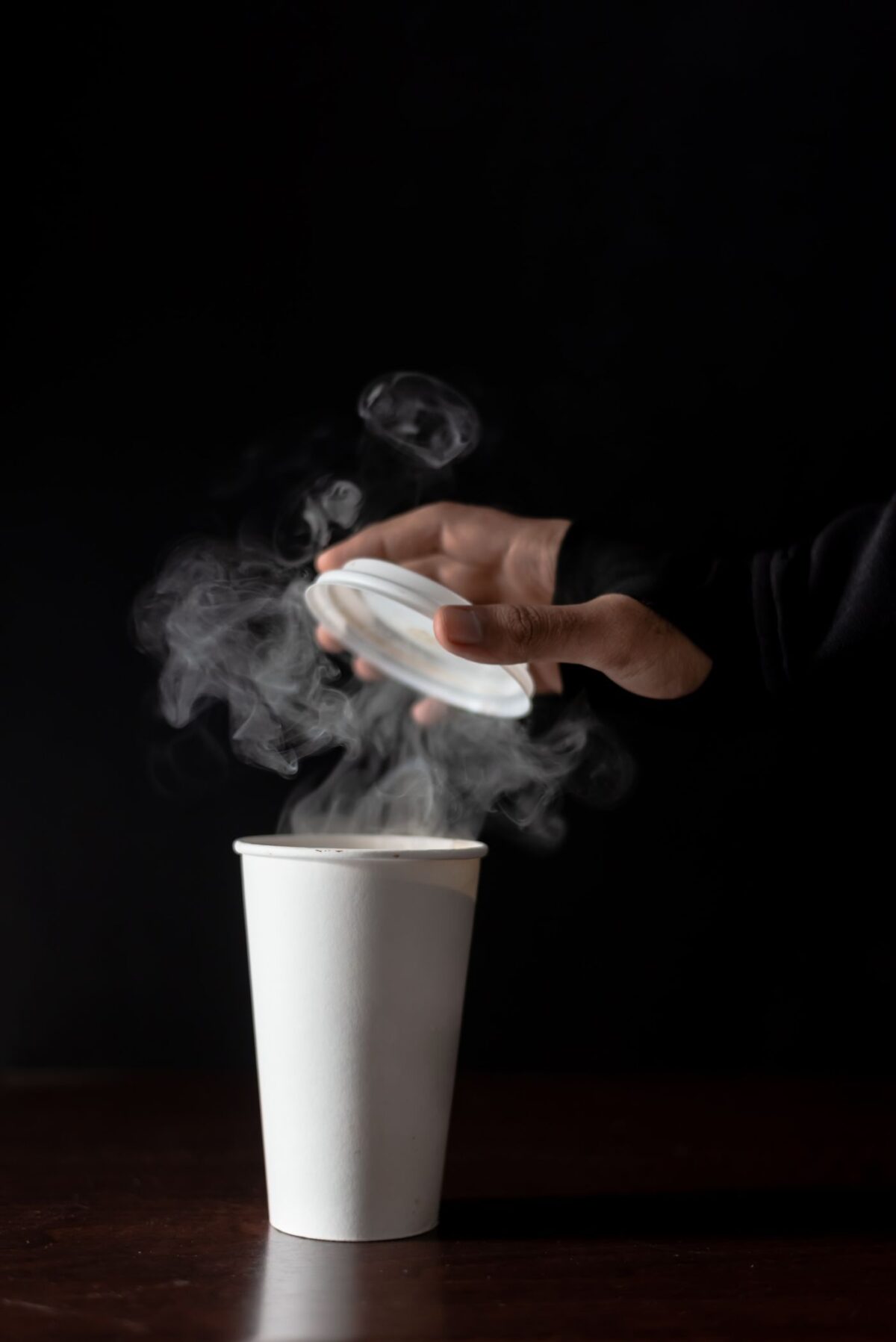
- Blue labels usually mean cold. The word is つめたい (tsumetai), the softer つめた〜い (tsumeta-i) with a stretched sound, or sometimes COLD in English.
- Red or orange labels usually mean hot. The word is あたたかい (atatakai), the softer あったか〜い (attaka-i), or ホット (hotto).
つめたい
Tsumetai
Cold
あたたかい
Atatakai
Warm or hot
ホット
Hotto
Hot
つめた〜い
Tsumeta-i
Cold (a stretched, friendlier way of writing つめたい)
あったか〜い
Attaka-i
Warm or hot (a stretched, friendlier way of writing あたたかい)
Some machines print these stretched, friendly forms instead of the dictionary spelling, so do not worry if a label does not look exactly like the words above. The colour and the meaning are the same.
As a general rule you will see more hot drinks in the colder months and more cold ones in summer, and some machines change their lineup with the season. That is a habit rather than a rule, so do not be surprised either way.
Not every machine has a hot section. If you only see blue labels, the machine is probably cold only.
Hot cans: a short caution
Hot drinks from a machine can come out genuinely hot. Metal cans in particular can be uncomfortable to hold for the first few seconds. Take the can out with care, hold it near the top or the bottom edge, and let it cool slightly before you open it. Many people put a hot can in a coat pocket on a cold day, as a small hand warmer, but do not put one in a bag with other things that could be damaged by heat. Be careful, too, about handing a hot can directly to a child.
Shaking a hot can before opening it is not a good idea, especially if it is a fizzy drink.
What comes out and where: collecting your drink and change
The drink drops into a slot at the bottom of the machine. It usually has a flap that you push with your hand. Reach in and take the drink out. Expect a small thump as it falls, and for bottles to roll a little.
If you paid with cash and put in more than the price, your change comes out in a separate small tray, usually near the coin slot or at the bottom as well. Check both places. It is easy to forget the change because the drink is the first thing that catches your eye.
返却
Henkyaku
Return (of money)
つり銭
Tsurisen
Change
On some machines the return is a physical lever on the side or front that you push down with your finger. On others it is a button. The word 返却 is often printed beside it.
Common drink types you will see
You do not need to know brand names to choose well. The drinks fall into a handful of broad types, and most machines offer several of each.
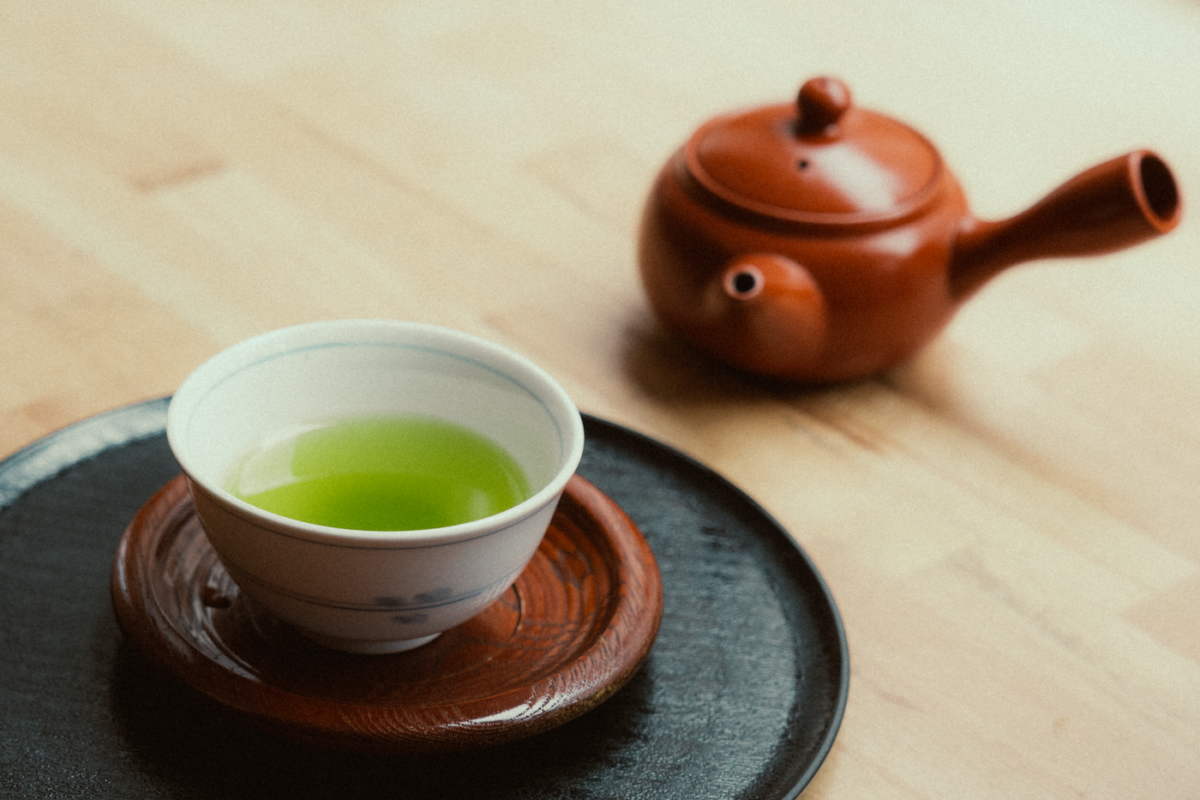
- Tea: green tea, barley tea, oolong and blended teas, usually unsweetened. They are sold hot and cold.
- Coffee: canned or small bottled coffee, often with milk and sweetener already added. Look for black (ブラック, burakku) if you do not want sugar.
- Water: still water, and sometimes sparkling.
- Sports and electrolyte drinks: lightly sweet and useful on a hot day.
- Fizzy drinks and juices: the familiar kinds, in a range of flavours.
- Seasonal and local items: in cooler months you may see hot soups or sweet drinks in cans in some places. This is not universal, and what is on offer depends on the machine and the area.
Many tea drinks are unsweetened, while coffee drinks can be quite sweet. For something plain, look for 無糖 (mutō, “sugar-free”) or 微糖 (bitō, “lightly sweetened”).
お茶
Ocha
Tea
コーヒー
Kōhī
Coffee
水
Mizu
Water
Can and bottle sizes
Cans are typically small compared with the ones you may be used to in the UK. Bottles come in a range from compact to large. The display usually shows the size in ml (millilitres). Sizes vary between machines and products.
What are the prices like?
Prices are shown in yen next to each item. We will not quote figures here because they change over time and between machines, but a few general points are helpful.
- The price on the label is normally the price you pay at the machine, but it is worth glancing at the display in case anything is shown differently.
- Prices can differ slightly between machines, even for the same drink, so it is not unusual to see a difference between a station and a quiet side street.
- A tag with a number and the yen symbol (¥ or 円) is the price. There is no tipping or bargaining.
If you are unsure about reading prices and numbers in Japanese, our guide to Japanese phrases for travel is a useful companion.
Ticket machines at restaurants (食券)
Some casual restaurants, especially noodle and rice-bowl shops, use a ticket machine instead of a waiter taking your order. You choose and pay at the machine, then hand a paper ticket to the staff. The Japanese word is 食券 (shokken, “meal ticket”), and the machine is a 食券機 (shokkenki). Not every restaurant works this way, so if you want the wider picture of ordering, see our guide to ordering food in Japan.
Here is how it usually goes.
- Stop at the machine, which is normally just inside the entrance, before you sit down.
- Look at the buttons. Many have photos, and some have English. The most popular dish is often in the top left.
- Insert money first. Many of these machines take notes more readily than drink machines do, but check the symbols on the front.
- Press the button for your dish. If there are options, such as a larger portion, press those too.
- Take your ticket from the slot, and take your change and any returned money.
- Sit down, or wait to be seated, and hand the ticket to the staff.
If the buttons are all in Japanese and you cannot choose, point to a photo of something that looks good and ask for help. Many shops are used to visitors, but not every member of staff will be, so stay patient and keep it simple: point to the photo and say “kore” (this one). A few useful phrases are in the next section.
すみません、これをお願いします
Sumimasen, kore o onegai shimasu
Excuse me, this one please
食券を買ってください
Shokken o katte kudasai
Please buy a meal ticket (what staff may say)
大盛り
Ōmori
Large portion
Other kinds of vending machines
Drinks are only the beginning. Depending on where you are, you may come across machines that sell ice cream, snacks, instant ramen, hot food and capsule toys. We will keep this general, because what is available depends on the area and the operator.
- Ice cream and frozen snacks: they work like drink machines, but the items fall into a collection box.
- Food machines: some sell hot meals or noodles. They may include a small heating device and instructions on the front.
- Capsule toys (ガチャガチャ, gachagacha): put in coins, turn the handle, and a small capsule drops out. These are often found in shops and station areas, and the price is usually shown on the machine.
When a machine is unfamiliar, read the instructions on the front and follow the lights. In most cases the first step is to insert coins.
Recycling bins and drinking etiquette
Many drink machines have a bin beside them for empty cans and bottles. It is usually labelled to show what goes where. Look for the separate openings for cans (缶, kan), bottles (ビン, bin) and plastic bottles (ペットボトル, petto botoru).
缶
Kan
Cans
ペットボトル
Petto botoru
Plastic bottles
ごみ箱
Gomibako
Rubbish bin
It is polite to finish your drink near the machine and put the empty in the bin there. Do not leave rubbish on top of a machine or on the ground. If there is no bin, take your rubbish with you. Public bins can be hard to find in Japan, so many travellers carry a small bag for it.
You may also notice that many people do not eat or drink while walking, and tend to stand to one side near the machine, finish their drink and then carry on. This is a common habit rather than a strict law, and it is more noticeable in some places than others. Do as the locals do where you can. For more about signs you might see, see our guide to reading Japanese signs in stations.
If something goes wrong
Most of the time everything works. If it does not, stay calm and try these steps.
- The machine did not take your coin or note: try again, and make sure the coin is not bent or very worn. Try a different coin, or a smoother note.
- The machine took your money but no button lights up: press the return lever or button to get your money back, then try again.
- The drink did not come out: look for a contact number or label on the front of the machine. Do not shake or hit it. In a shop or station, you can ask staff.
- The machine ate your coin: press the return lever a couple of times, and then check the tray. If it is still gone, a contact sticker on the machine is the place to start.
すみません、お金が出てきません
Sumimasen, okane ga detekimasen
Excuse me, my money won’t come out
飲み物が出てきません
Nomimono ga detekimasen
My drink did not come out
Useful phrases and a mini-glossary of buttons
You rarely need to speak to a machine. But these words appear again and again on buttons and labels, so it is worth learning to spot them.
- ホット / あたたかい / あったか〜い: hot; つめたい / つめた〜い: cold; 売り切れ: sold out; 返却: return; つり銭: change
投入口
Tōnyūguchi
Coin and note slot
取り出し口
Toridashiguchi
Pick-up slot
準備中
Junbi-chū
Getting ready
無糖
Mutō
Unsweetened
食券
Shokken
Meal ticket
If you would like to build up a larger set of phrases before you travel, our Japanese phrases for travel page is a good place to start. For snacks and drinks inside shops, see our convenience store guide.
Frequently asked questions
Do Japanese vending machines take credit cards?
Some do, but not all. Many machines accept a transport IC card, and some accept other cashless options. It varies by machine, so carry coins as a back-up.
Do vending machines accept 1,000 yen notes?
Many do, but not all. Older or smaller machines may take coins only. Smooth the note before inserting it.
How can I tell if a drink is hot or cold?
Look at the label colour. Blue usually means cold (つめたい) and red or orange usually means hot (あたたかい or ホット). If you only see blue, the machine is probably cold only.
What if the button is not lit?
Either you have not inserted enough money, or the item is sold out (売り切れ). Add more money, or choose a different item.
Is it rude to drink while walking?
It is not illegal, but many people prefer to finish a drink beside the machine, and then put the empty in the bin there. Follow what you see around you.
Can I use a ticket machine if I cannot read Japanese?
Yes. Look for photos, and point at what you want if you need help. Many staff are used to visitors, though not every shop is, so a polite “sumimasen” and a point at the photo is usually enough. If it is not working, ask someone nearby for help.
Conclusion
Vending machines in Japan reward a little preparation and a little curiosity. Remember the order of steps: money in, lit button, drink out, change back. Learn to spot blue for cold and red for hot, handle hot cans with care, and recycle at the bin beside the machine. For restaurant ticket machines, pay first, press your choice and hand the ticket to the staff.
A handful of words, from つめたい to 返却, will take you a long way, and each machine you use will make the next one easier.
👉 Start with the basics — get our free Travel Japanese phrasebook
About Iroha Passport
Iroha Passport helps English speakers learn Japanese and plan their trips to Japan. Lessons are taught by native Japanese teachers living in London, in person or online.
By Iroha Passport