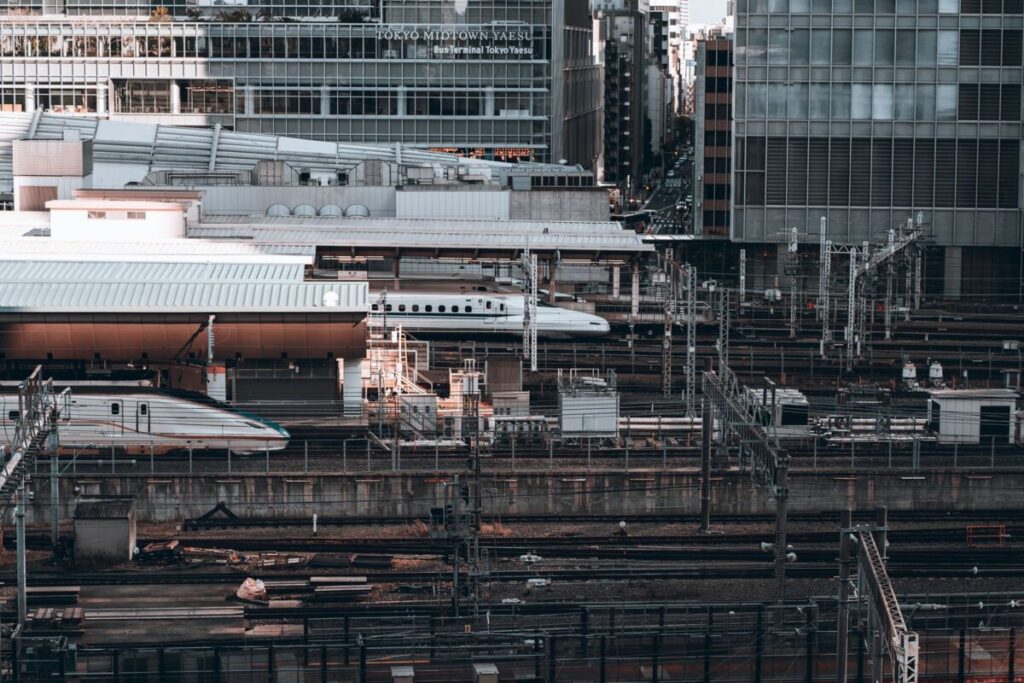
Every year, UK travellers planning a first trip to Japan ask the same question: is the Japan Rail Pass worth it? A few years ago the honest answer for many itineraries was “usually yes”. Since the pass price changed, the honest answer is “it depends, and you can work it out in twenty minutes”. This guide gives you a method rather than a verdict, so you can run the numbers for your own route and decide with confidence.
We are native Japanese teachers living in London. We do not sell rail passes, so there are no booking links here, and where prices or rules can change we describe them in general terms and point you to official sources.
What the Japan Rail Pass actually is
The Japan Rail Pass (often shortened to JR Pass) is a time-limited pass for visitors that gives unlimited rides on many, but not all, trains run by the JR Group. The JR Group is a family of regional railway companies that together cover most of the country, including the Shinkansen (bullet train) network. The pass is sold for fixed periods of consecutive days, usually 7, 14 or 21 days, and in Standard or Green Car (first-class style) versions.
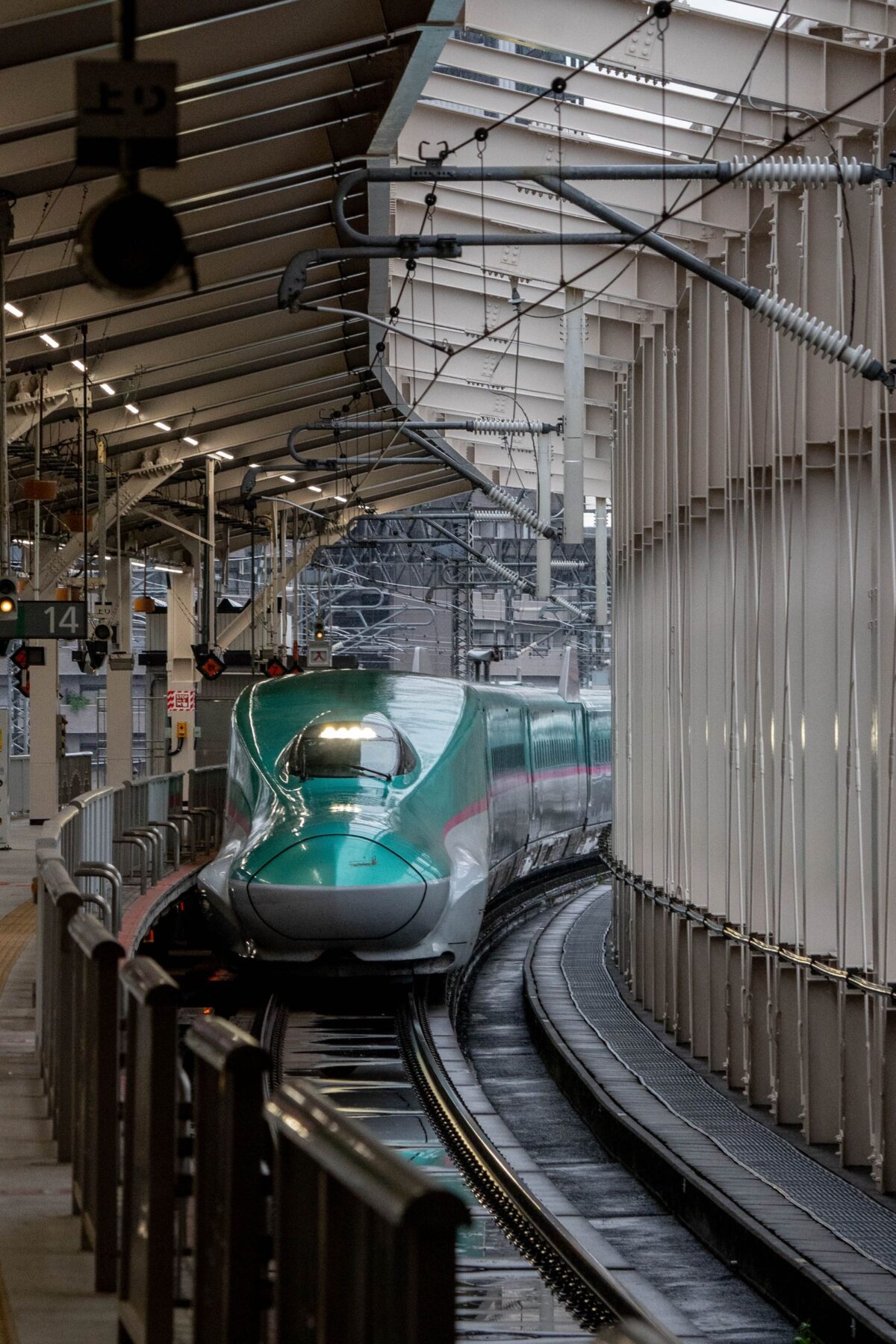
Two details are easy to miss. The days are consecutive, so days spent in one city without a train still count. And the pass is only for people entering Japan with “Temporary Visitor” status.
The pass is not a discount card but a flat fee, so its value depends on how much you would otherwise pay for individual tickets.
What changed in 2026
The main reason this question is being asked again is price. The JR Group announced in April 2026 that pass prices would rise on 1 October 2026 for passes bought through overseas travel agencies. At the same time, the announcement said that prices on the official online purchase route would stay unchanged for a limited time, without giving an end date.
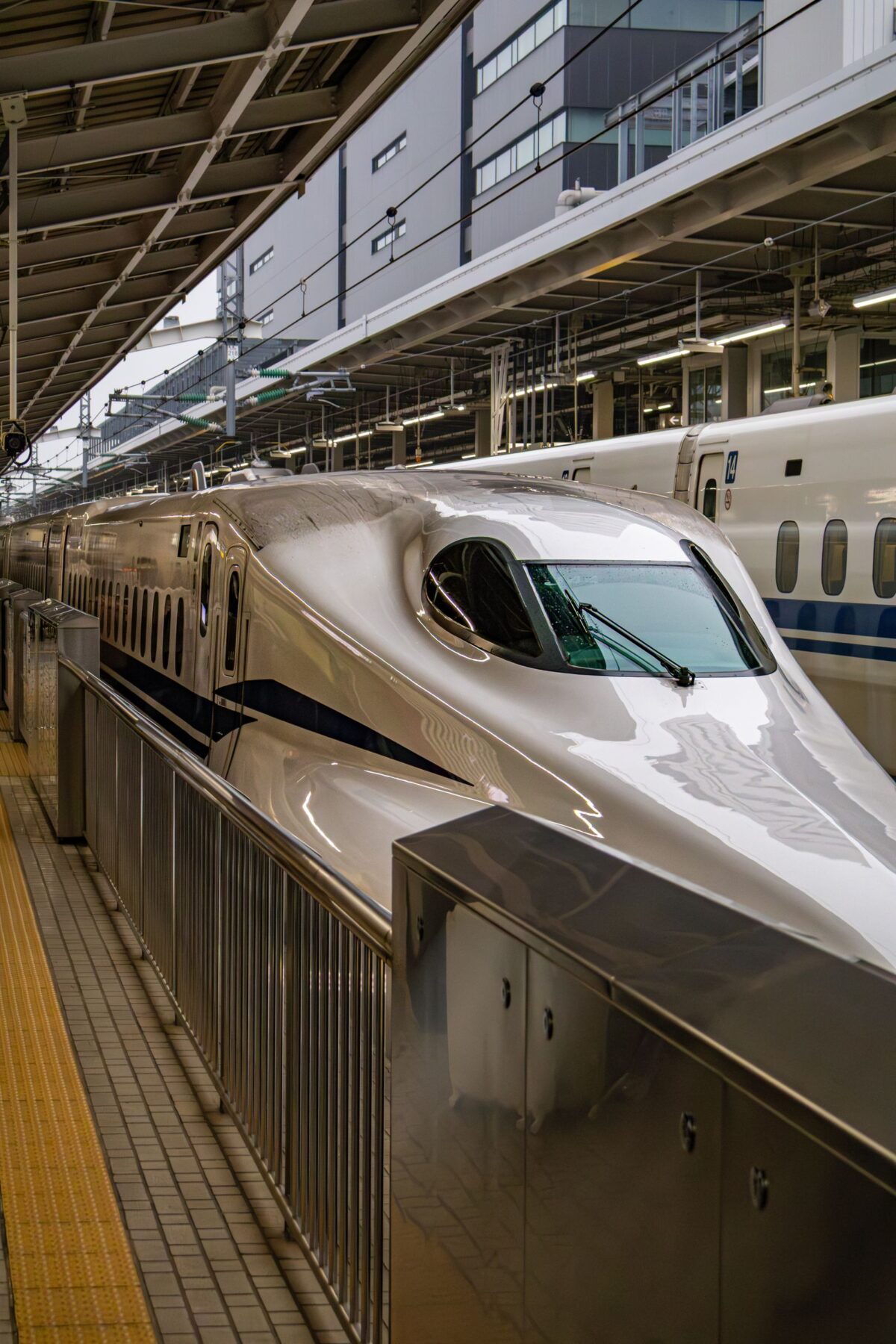
The price you see can differ depending on where you buy. As examples only, the overseas-agency Standard class adult prices announced for the three durations were ¥53,000 for 7 days, ¥84,000 for 14 days and ¥105,000 for 21 days. The official website’s price page was still showing lower online prices when we checked on 1 October 2026. Please treat all of these as illustrations, not as the price you will pay.
The important point is this: prices changed on 1 October 2026 for some purchase routes, and the price shown at the moment you buy is the one that applies. Always confirm on the official site before you make a decision. We explain how to do that in the section on checking current prices below.
A higher pass price simply moves the break-even point. It is a calculation, which is why the method below matters more than any headline number.
What the pass covers
The pass is valid on JR Group trains, including most Shinkansen services. In everyday terms, that includes:
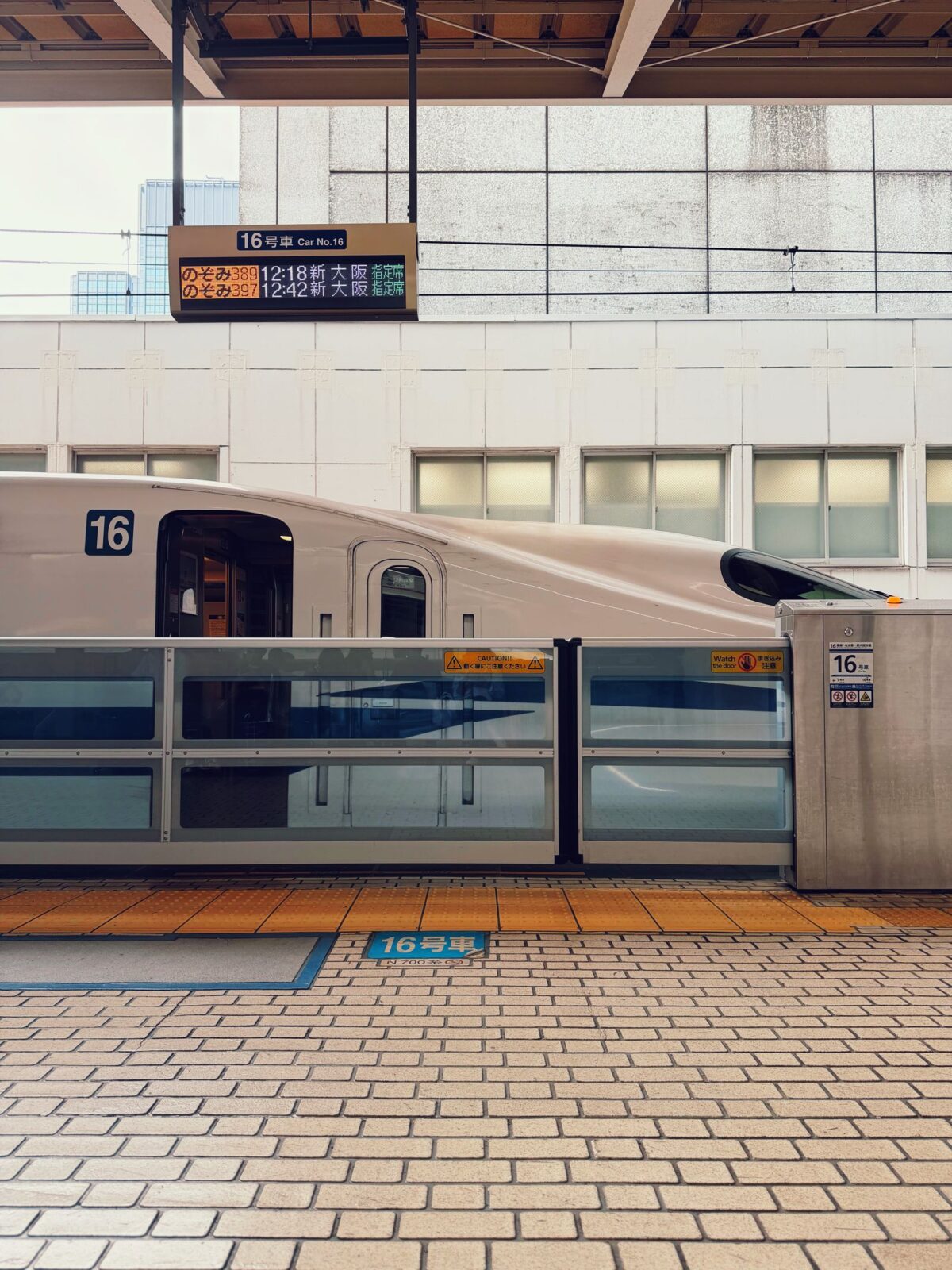
- JR Shinkansen lines, apart from the fastest named services described in the next section
- JR limited express and local trains across the JR network
- JR lines inside cities, such as the loop line in Tokyo and the city loops in other big cities
- The Tokyo Monorail, which is useful for reaching Haneda Airport
- Some JR bus routes
- The JR-West ferry to Miyajima, the island near Hiroshima
Always read the official coverage page before you buy, since details of buses and ferries in particular can differ by region.
What the pass does not cover
This is where many first-time visitors get caught out. The pass does not cover everything that looks like public transport in Japan. In general it is not valid on:
- Most private railways, which run many of the routes to places such as hot-spring towns and mountain destinations
- Most subways, which in big cities are run separately from the JR network
- JR express (long-distance) buses
- Gran Class, the premium cabin on certain Shinkansen services
You will often pay for extra journeys on top of the pass, such as city buses or subways in Kyoto. Add these to the “with pass” side of your comparison.
Nozomi and Mizuho: the trains the pass does not include
On the busiest Shinkansen routes, the fastest trains are called Nozomi (on the Tokaido and Sanyo lines) and Mizuho (on the Sanyo and Kyushu lines). These are not valid on the pass alone. The slightly slower Hikari and Kodama trains on the same line are valid, as are the equivalent services on other lines.
If you really want to ride a Nozomi or Mizuho, the pass operator sells a separate ticket for each trip, known as the NOZOMI MIZUHO Ticket. On the official page, sample prices were listed at ¥4,960 for Tokyo to Kyoto and ¥4,180 for Tokyo to Nagoya. These tickets can sell out even when seats are still free, so you cannot assume one will be available on the day.
Just be aware of this when you plan, particularly if your schedule has a tight connection.
A simple method for comparing the pass with individual tickets
You do not need a spreadsheet, but you do need a list. Here is the process we suggest.

- Write down every long-distance journey you expect to make, in order, with the date. Include the airport transfers at the start and end.
- Look up the standard point-to-point fare for each one, including the seat reservation charge if you want a reserved seat. Use an official timetable or fare search so the figure is current.
- Add up the total. This is your “individual tickets” figure.
- List any journeys the pass would not cover anyway, such as subways, private railways or non-JR buses, and add that cost to both totals, since you would pay for these whether or not you buy the pass.
- Now build the “with pass” figure: the pass price for the duration you need, plus any Nozomi or Mizuho tickets, plus the non-JR costs from the step above.
- Compare the two. If the pass total is clearly lower, it is worth considering. If it is close, think about convenience. If it is higher, individual tickets or a regional pass are likely to be better.
Convenience has real value: with a pass you can often hop on the next valid train without queuing at a ticket machine. But it should be a tie-breaker, not the whole case.
If you are not yet sure how tickets, gates and IC cards work, our guide to getting around Japan by train and IC cards explains the basics before you start comparing.
To try the method on some common routes from Tokyo, use the calculator below. It is a rough guide only, so replace any fare with the figure from the official fare search.
Tokyo to major cities: pass or individual tickets?
A rough planning tool. Fares are approximate adult prices for an ordinary-car reserved seat on trains the pass covers (Hikari or Kodama on the Tokaido line, Hayabusa and Kagayaki to the north). They are not exact and they change, so overwrite any figure with the price from the official fare search.
Step 1 — Enter your pass details
Step 2 — Tick the cities you’ll visit
| Tick the trips you plan | Trip type | One-way fare (yen) |
|---|
Step 3 — Any other costs? (optional)
Individual tickets: 0 yen
Pass plus extras: 0 yen
Prices shown for the pass are examples; the price shown when you buy applies. Check the official sites before you decide.
Want help turning your route into a plan? Get our free Japan travel guide.
A worked example, with made-up numbers
To show the arithmetic, here is an example with deliberately round, invented numbers. They are not real fares. Please do not use them to budget; replace them with figures from an official fare search.
Imagine a traveller who plans these long-distance journeys in a week, and suppose each costs a round figure:
- Airport to Tokyo: ¥3,000
- Tokyo to Kyoto: ¥14,000
- Kyoto to Osaka: ¥1,500
- Osaka to Hiroshima: ¥10,000
- Hiroshima back to Tokyo: ¥19,000
- Tokyo to the airport: ¥3,000
The made-up total is ¥50,500. Now suppose the pass for that week costs ¥50,000, and the traveller also spends ¥4,000 on subways and local buses that the pass does not cover. Since that ¥4,000 would be spent either way, it is added to both sides: the individual-tickets figure becomes ¥54,500, and the "with pass" figure becomes ¥54,000, so the pass comes out slightly cheaper.
The lesson is not about those numbers. The two totals end up close enough that a single extra long journey, or a cheaper day on local transport, could tip the balance either way, so do the sum with real fares for your own route.
Three common itinerary shapes
Most trips fall into one of three patterns. Thinking about which one is yours makes the decision easier.
The Tokyo, Kyoto and Osaka loop
This is the classic first trip: fly into Tokyo, travel west to Kyoto and Osaka, and return or fly out of Osaka. If you stay put in each city for several days and only make two or three long journeys, the pass often struggles to pay for itself. The big Shinkansen leg is one journey each way, and the rest is local travel that is mostly outside the pass.
The picture changes if you add side trips, for example to Hiroshima, Nara or a castle town, because each extra long leg adds to the individual-ticket total while the pass price stays fixed.
A single return trip from one base
If you base yourself in Tokyo and take one or two day trips by rail, the pass is rarely the best option. Individual tickets, or a regional pass for the area you want to visit, tend to be much cheaper. A seven-day pass is built for people who move around a lot, not for people who stay in one place.
Staying in one region
If you are exploring one part of the country, such as the Kansai area around Kyoto and Osaka, or a northern region, a regional pass will often match your route more closely than the national pass. We cover those next.
Regional passes as an alternative
Several JR and private railway companies sell passes covering a single region. They are typically cheaper than the national pass because the area is smaller, and many are designed for visitors.
We are deliberately not listing names and prices here, because those details change and differ by operator. What matters is the approach:
- Identify which regions your itinerary actually touches.
- Search for visitor passes for those regions on the official site of the railway company that runs them.
- Check which trains are included, and whether reserved seats cost extra.
- Compare the pass price with your own list of individual fares, just as you did for the national pass.
For a two-city trip, a regional pass plus one separate Shinkansen ticket can be cheaper than a national pass, and sometimes simpler too. It is also worth checking whether a regional pass includes local buses or subways, since those are the extras the national pass leaves out.
Do not forget IC cards
An IC card is a rechargeable tap-in, tap-out smart card used on trains, subways and buses in most major cities, and also in many shops and vending machines. It does not replace a long-distance ticket, but it handles most of the short hops, which are exactly the journeys the national pass does not cover.
Even with a pass you will probably want an IC card for local travel, and without a pass, an IC card plus individual Shinkansen tickets is a workable setup. Our guide to Japan payment methods covers cards, cash and contactless in more detail.
Buying the pass: the practical rules
If you decide the pass is right for you, a few rules affect how and when you buy it.
- Buying through the official online route is the only way that lets you reserve seats before you collect the pass. That matters in busy seasons, when popular trains fill up.
- A pass bought through an overseas agency comes as an Exchange Order. You have up to three months from the purchase date to exchange it for the actual pass at a JR station office, with your passport. When you exchange it, you choose your start date, and that date must fall within one month of the exchange.
- A lost pass cannot be reissued, so keep it safe, along with your passport.
- Refunds are only possible before the start date and carry a fee. The official terms show the current amount.
- You must enter Japan as a "Temporary Visitor" to be eligible.
Timing is part of the decision too. Busy periods such as cherry blossom season and autumn leaves make reservations more important, so if you are still choosing dates, read our guide to the best time to visit Japan before you commit to a pass period.
How to check current prices
Because prices have recently changed and may differ by purchase route, we recommend this routine instead of relying on any article, including this one.
- Open the official Japan Rail Pass website and read the price page for the duration and class you need.
- If you plan to buy from an overseas agency, check that agency's price as well, and compare it with the official online price.
- Check the "Nozomi Mizuho" ticket page, and the coverage page, for any changes.
- Use an official fare search or timetable site to get point-to-point fares for every journey on your list.
- Re-check shortly before you buy, since the announcement about online prices said they would stay the same only for a limited time.
Doing this once, a few weeks before your trip, takes about twenty minutes.
Small things that make rail travel easier
A few station phrases help at ticket offices, and recognising common signs makes platforms and gates less intimidating. Here are three useful phrases.
きっぷうりば
Kippu uriba
Ticket office
ざせきをよやくしたいです
Zaseki o yoyaku shitai desu
I would like to reserve a seat
このでんしゃは京都に止まりますか
Kono densha wa Kyōto ni tomarimasu ka
Does this train stop at Kyoto?
For more, see our list of Japanese phrases for travel and our guide to reading Japanese signs in stations.
Frequently asked questions
Is the Japan Rail Pass worth it for a first trip to Japan?
It depends on how many long journeys you make. A trip with a lot of Shinkansen travel in a short period is more likely to benefit, while a trip based in one or two cities is less likely to. Compare the pass price with your list of individual fares rather than relying on a general rule.
Can I use the pass on Nozomi trains?
Not on its own. Nozomi and Mizuho trains need a separate NOZOMI MIZUHO Ticket for each trip, and these can sell out. Hikari and Kodama trains on the same line are valid on the pass.
Does the pass cover subways and city buses?
Generally no. Most subways and private railways are not valid, and neither are JR express buses. Some JR local services and routes are, so check the official coverage page for the area you are visiting.
Is a regional pass better than the national pass?
For trips concentrated in one area, often yes, because the area is smaller and the price is usually lower. Compare the price and the included trains for each pass against your own itinerary.
Where should I check the latest price?
On the official Japan Rail Pass website, and on the website of any agency you plan to buy from. Prices changed on 1 October 2026 for some purchase routes, and the price shown at the time you buy is the one that applies.
Conclusion
Whether the Japan Rail Pass is worth it in 2026 is a question you answer with your own itinerary, not with a slogan. List your long journeys and price them individually for your "individual tickets" total, add any extras the pass does not cover to that total and to the pass price, and compare the two for your purchase route. If the numbers are close, think about convenience and flexibility. If they are far apart, the answer will be obvious.
If you would like help turning your plan into a route, our free guide is a good next step.
👉 Get our free Japan travel guide and plan your route
About Iroha Passport
Iroha Passport helps English speakers learn Japanese and plan their trips to Japan. Lessons are taught by native Japanese teachers living in London, in person or online.
By Iroha Passport