A Japanese convenience store, or konbini, is one of the most useful places a visitor can walk into, and Japanese convenience store food is a big reason why. You can eat a decent meal, pick up a drink and pay a bill without ever sitting down in a restaurant. But the shelves can feel overwhelming when every label is in Japanese and the staff are quick. If you have ever wondered about konbini what to buy, and how to ask for what you want, this guide is for you.
This is a hands-on guide to choosing food and ordering it at the till. If you want a general overview of what a konbini is and what services it offers, our Japanese convenience store guide covers that. Here we focus on the food: what the main categories are, how to read a label, how to get something heated, and the short phrases that make the whole process smooth.
We will keep brand names out of it, because the products and the shops change often. The categories below stay broadly the same wherever you go.
What to expect before you walk in
Most konbini are small, brightly lit and organised in a similar way. Chilled ready-to-eat food usually sits along one wall or in a few open fridges: rice balls, sandwiches, bento boxes, noodles, salads and desserts. Drinks are in tall fridge doors, some cold and some warm. Near the till you will often find a hot counter with fried snacks, steamed buns or skewers, and sometimes a self-serve coffee machine.
You pick what you want from the shelf, take it to the till and pay. Staff will ask a few quick questions, usually about heating, cutlery and bags. If you know in advance what those questions sound like, the whole thing takes less than a minute.
A few general points are worth knowing before you start:
- Food is generally packed to be eaten soon, so check the date on the label rather than assuming it is fresh.
- Most of what you pick up from the shelf is ready to eat cold, but some items are meant to be heated. Look at the packaging or ask.
- Opening hours and services vary from shop to shop, so treat everything in this guide as a general pattern rather than a rule.
Onigiri and sandwiches: the easy place to start
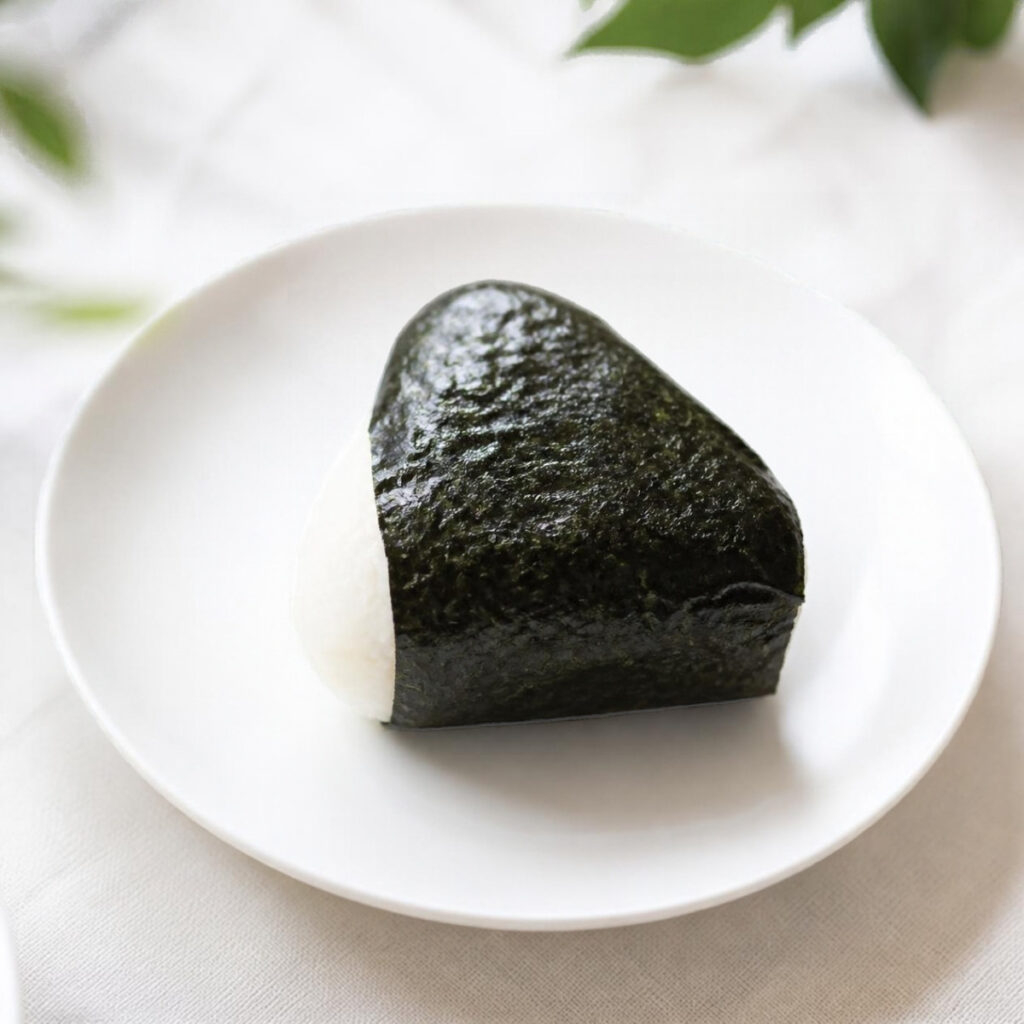
Onigiri, or rice balls, are the classic konbini snack. They are usually triangular, wrapped in a strip of dried seaweed (nori) and filled with something in the middle. The packaging often has a clever numbered tab system that keeps the seaweed crisp until you open it. The numbers on the pull-tabs show the order in which to peel, and most shops have a small diagram on the wrapper.
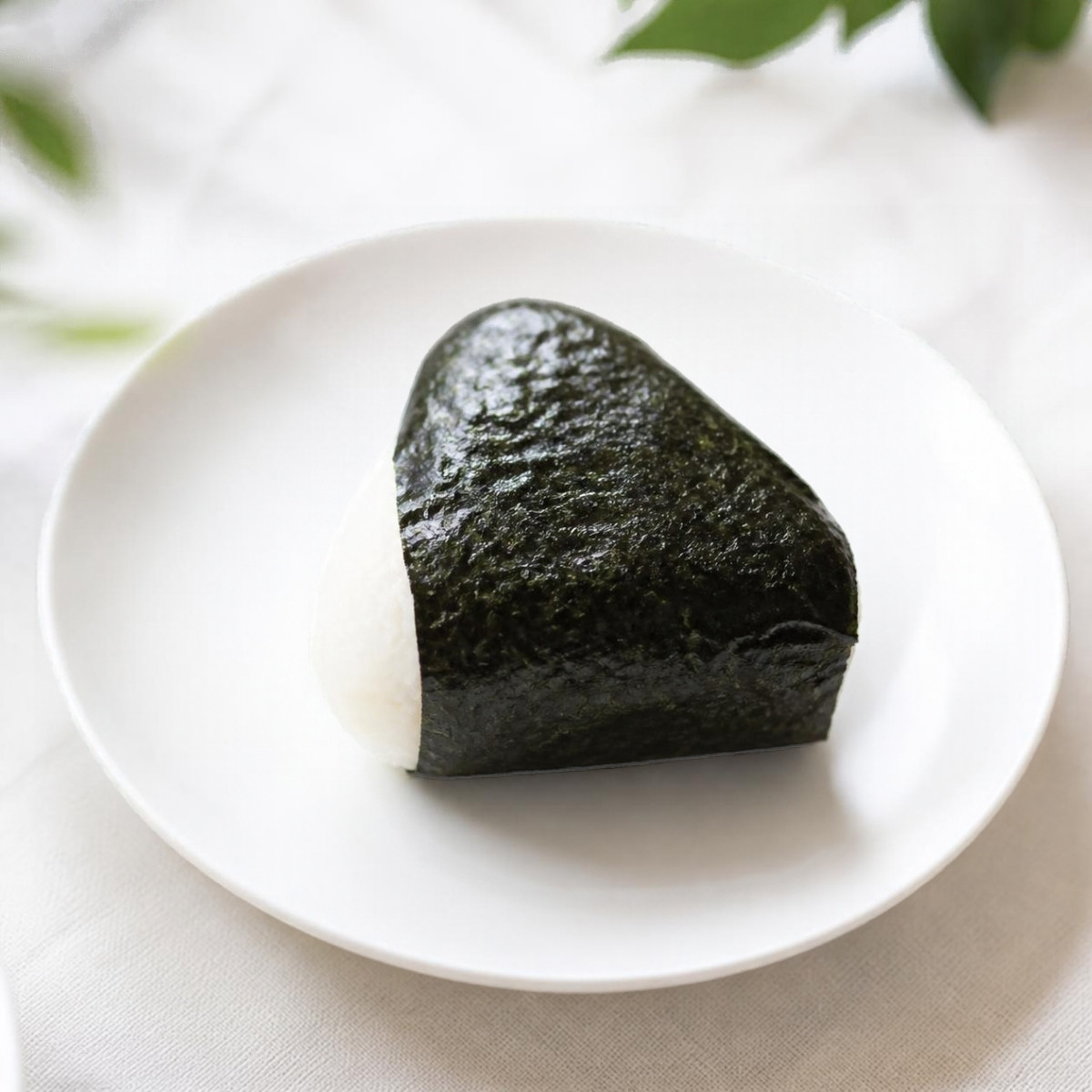
Fillings are usually written on the front, often in large kanji or katakana. Common ones include salmon, pickled plum, tuna with mayonnaise, kelp and seasoned cod roe. Some contain fish or meat, and some are just rice with a seasoning, so it is worth reading the label if you avoid certain ingredients. Onigiri are normally eaten cold, though in some places you can ask for a heated one.
おにぎりを ひとつ ください
Onigiri o hitotsu kudasai
One rice ball, please
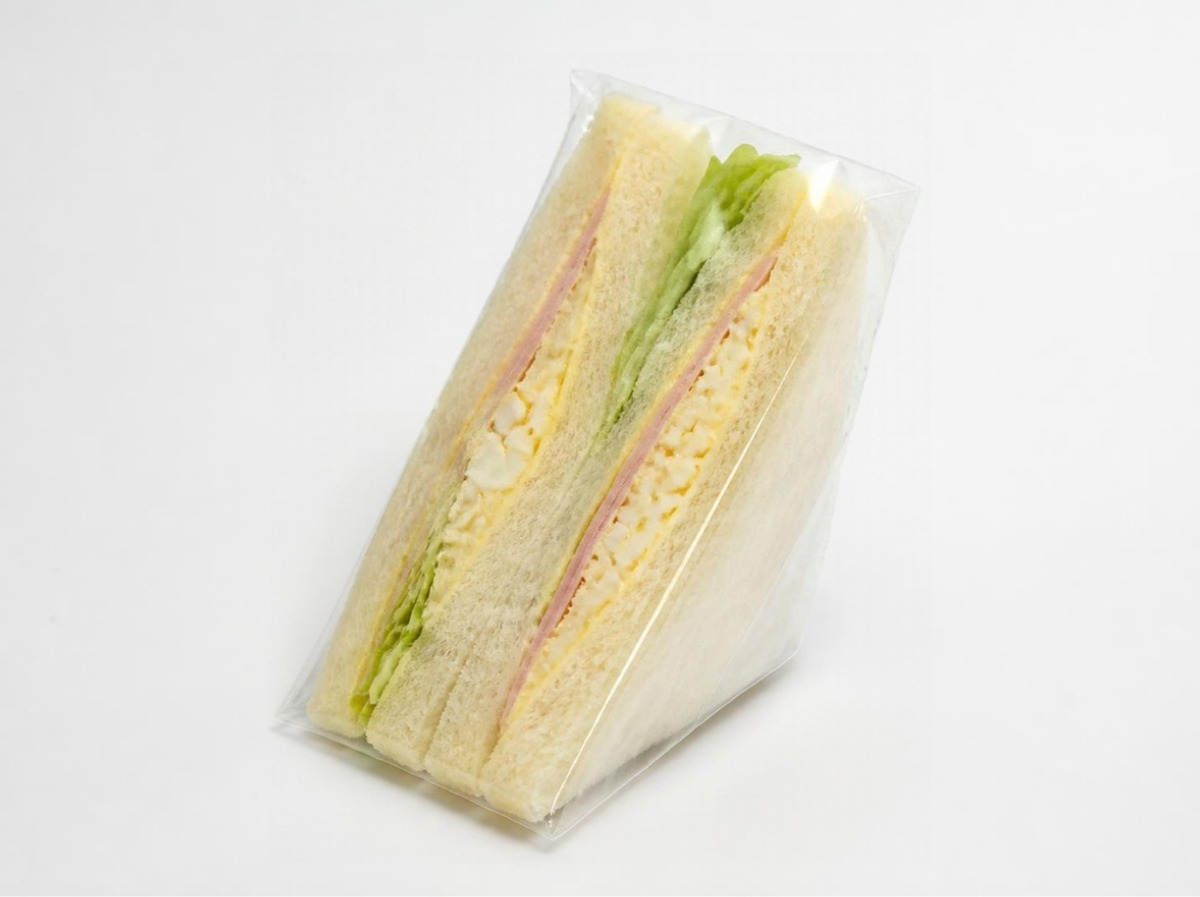
Sandwiches are the other grab-and-go staple. They are typically soft white bread with the crusts trimmed off, cut into neat triangles or rectangles. Egg salad, ham and cheese, and cutlet sandwiches are all common. They are made to be eaten cold and soon, so there is usually no need to heat them.
If you are unsure what a filling is, look for a picture on the pack. Many konbini label the main ingredient with a small illustration, which can help even if you cannot read the text.
Hot snacks at the counter
The hot snacks by the till are one of the most enjoyable parts of Japanese convenience store food. These can include fried chicken, croquettes, skewers, steamed buns, hot dogs and similar items. They are usually kept in a heated case or behind the counter, and you ask the person at the till for them rather than taking them yourself.
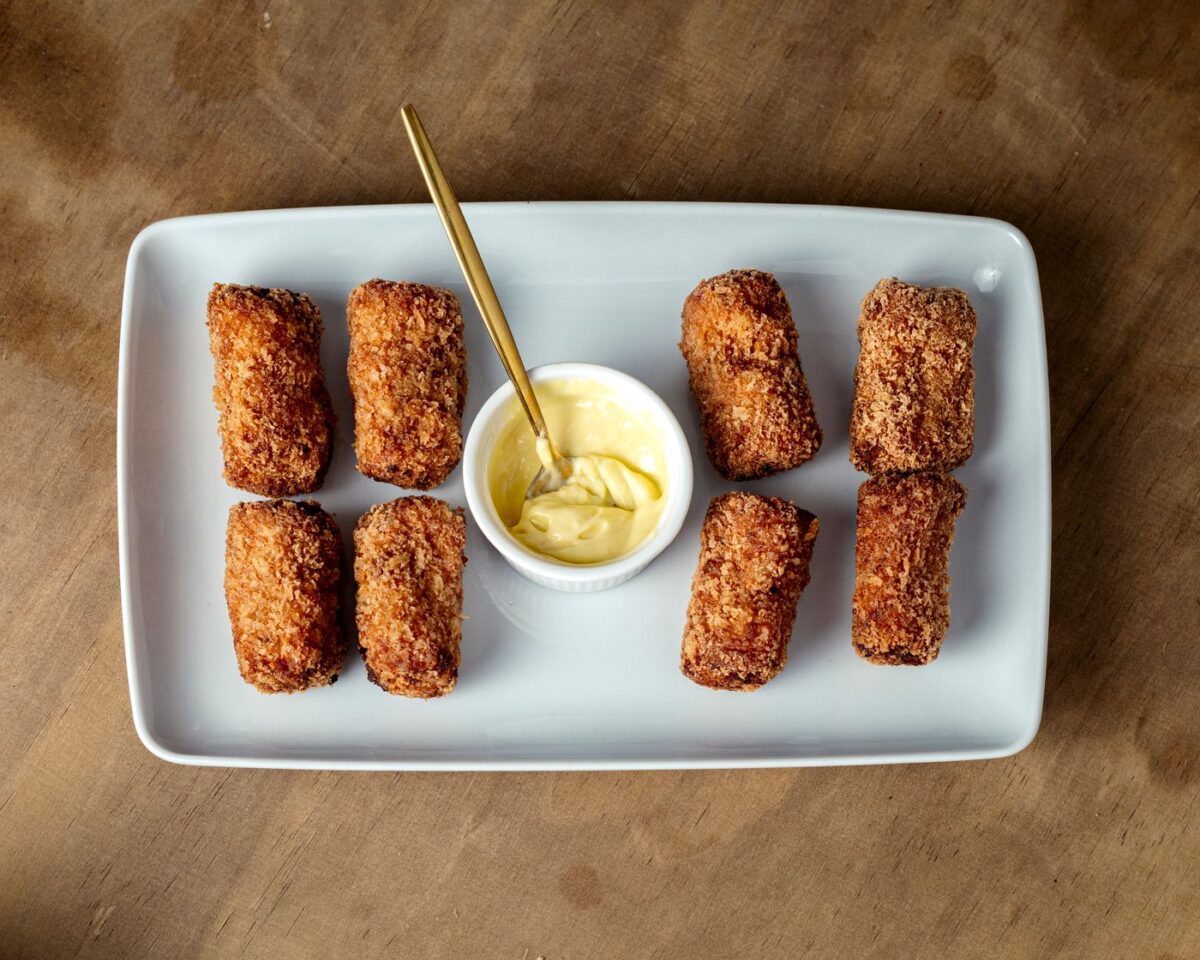
This is the part that often makes visitors nervous, because it involves pointing and speaking. The good news is that you can simply point at the item and say how many you want. Items are often labelled with a small sign or a picture. If the item is out of sight, you can say what it is, or point at the picture on the sign.
これを ひとつ ください
Kore o hitotsu kudasai
One of these, please
あれを ふたつ おねがいします
Are o futatsu onegai shimasu
Two of those, please
Kore means “this one near me” and are means “that one over there”, so you can use whichever fits the distance. Staff will wrap the item in a small paper bag or sleeve, and may ask whether you would like anything else. A simple “that’s all” is usually enough.
いじょうです
Ijō desu
That’s everything
Hot snacks are usually sold individually, so it is easy to try one without committing to a whole meal. They are best eaten soon after you buy them, while they are still hot.
Bento, noodles and ready meals
If you want something more filling, look for the bento boxes, instant noodle cups and chilled noodle bowls. A bento is a boxed meal with rice and a few side dishes, often in compartments. Common contents include grilled fish, fried chicken, a rolled omelette, pickles and a small portion of vegetables.
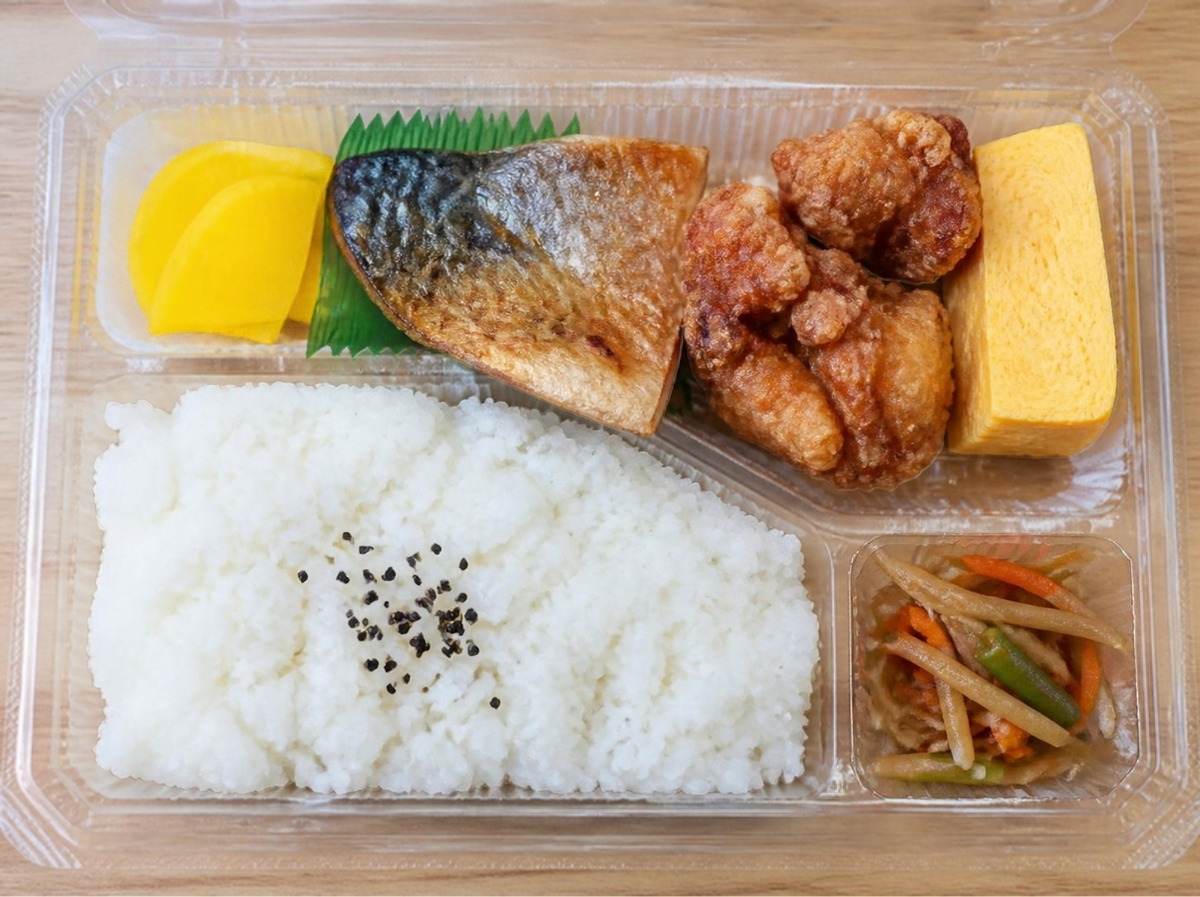
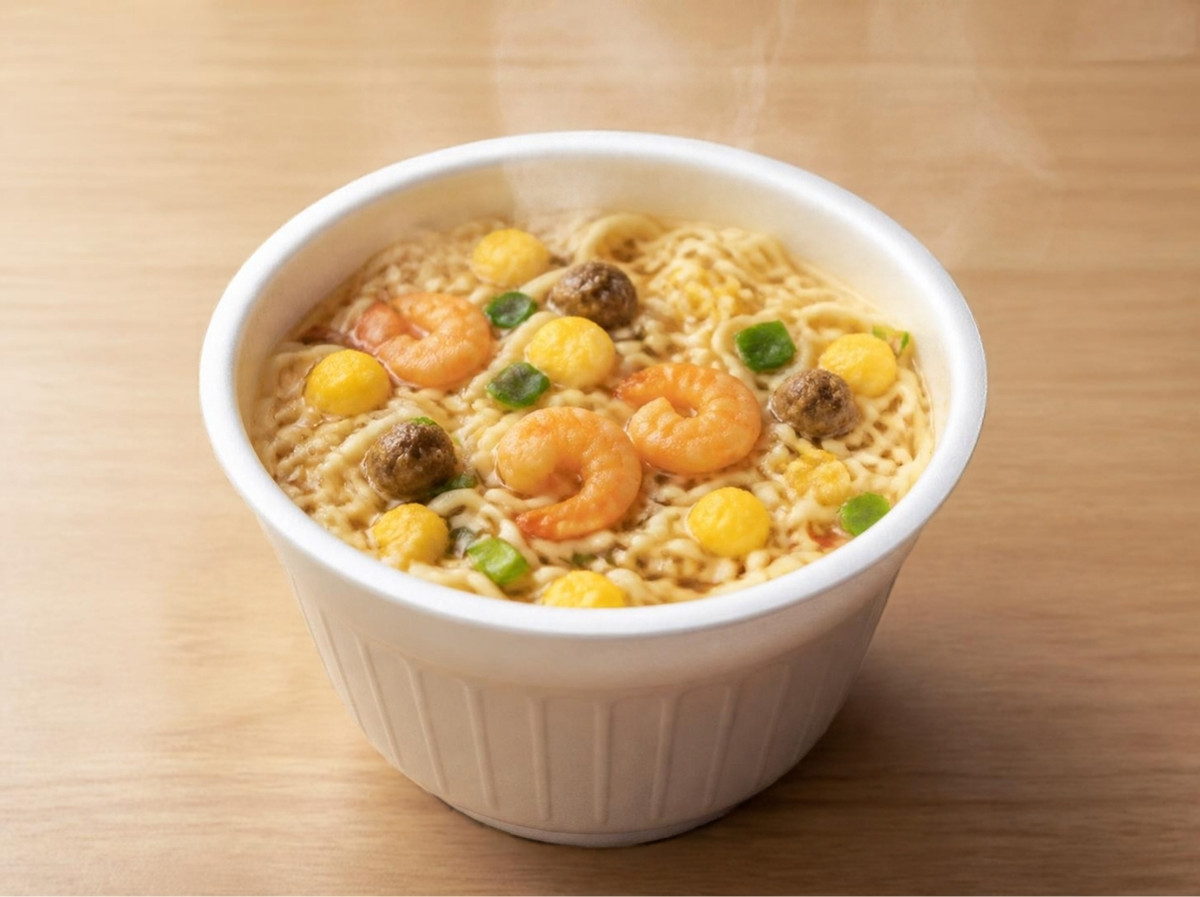
Chilled noodles come in plastic trays and are usually eaten cold, such as cold soba or somen in summer. Cup noodles are sold dry and have hot water added; many shops have a hot water dispenser nearby, and some have a small instruction sign. Always check the lid, because the water line and waiting time are printed on it.
Pasta, gratin, curry and rice bowls are also common, and many of them are meant to be heated in a microwave. Look for a label or a sticker that says the item can be heated, or just ask at the till.
これは あたためられますか
Kore wa atatameraremasu ka
Can this be heated?
Ready meals are convenient, but the portions are designed for one person. If you want to share, ask for a second pair of chopsticks or extra spoons when you pay.
Desserts, drinks and seasonal items
Desserts and sweets
The dessert section is surprisingly good. You will usually see puddings, cream-filled rolls, sweet buns, jelly cups, rice-cake sweets and sometimes fruit-based desserts. Many are small and neatly packed, designed to be eaten with a spoon you can ask for at the till. Check the date on the label, because these are made to be eaten quickly.
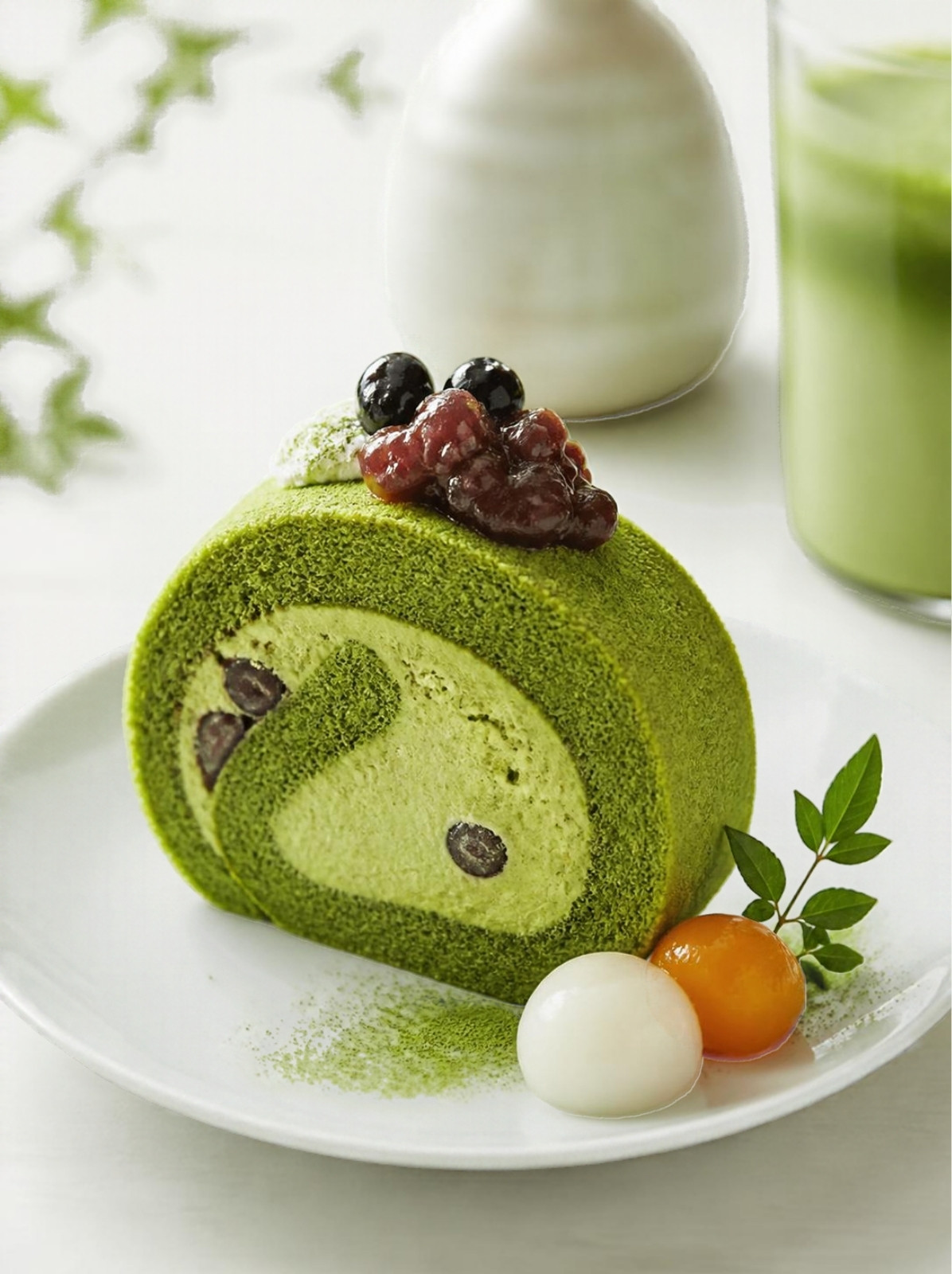
Bakery items such as melon bread or custard-filled buns are also common and are usually eaten at room temperature.
Drinks, hot and cold
The drinks fridge covers a wide range: green tea, barley tea, black tea, coffee, juice, sports drinks, water and carbonated drinks. Most tea drinks are unsweetened unless the label says otherwise, but it is easy to get this wrong, so look for the characters that indicate sweetness or milk if that matters to you.
In cooler months some shops keep a small section of warm drinks. They are usually kept in a warmer, often with a different coloured label. Do not be surprised to find canned or bottled hot coffee and tea. If your shop has a self-serve coffee machine, you normally buy a cup at the till first, then take it to the machine and press the button for the type of coffee you want.
Seasonal and limited items
Japan loves seasons, and konbini follow this closely. Around spring you may see cherry blossom-flavoured sweets, in summer cold noodles and shaved ice, in autumn chestnut and sweet potato desserts, and in winter hot pot-style meals and warm snacks. These items change from year to year and from shop to shop, so the best approach is to look for the display at the front of the shop and see what is on offer that week.
Limited items are one of the best reasons to keep checking the same shop. They are normally there for a short time, so if you see something that interests you, it is worth buying it that day.
Reading labels and common ingredient words
Almost every item has a printed label on the back or the bottom. It usually lists the ingredients, allergens, nutrition information and the date. If you cannot read Japanese, you can still do a lot with a few key words.
原材料名
Genzairyōmei
Ingredients
賞味期限
Shōmi kigen
Best-before date
消費期限
Shōhi kigen
Use-by date
The best-before date and use-by date are different. The use-by date usually appears on fresh items such as sandwiches and bento, and is meant to be taken seriously. The best-before date is usually for longer-lasting food.
Here are some common ingredient words you may spot:
- 卵 (tamago): egg
- 乳 (nyū) or 乳成分: milk or dairy
- 小麦 (komugi): wheat
- えび (ebi): shrimp
- かに (kani): crab
- そば (soba): buckwheat
- 落花生 (rakkasei): peanut
- 豚肉 (butaniku): pork
- 鶏肉 (toriniku): chicken
- 牛肉 (gyūniku): beef
- 魚 (sakana): fish
- だし (dashi): stock, often made from fish
Some labels also include a small box or line listing the major allergens, often marked with the word 含む (fukumu, “contains”). That can be helpful, but it is not a complete list of everything in the food, so it should not be treated as the only information you rely on. If you are not sure, it is better to choose something else.
Dietary notes: vegetarians and allergies
We are not able to tell you that any specific product is suitable for your diet, and we would not want you to rely on a general guide for that. What we can give you are some cautious general points.
Many Japanese foods that look vegetarian can contain fish, meat or animal products that are not obvious. Dashi is often made from fish. Stock, sauces, seasoning, and even some vegetable dishes may contain meat or fish extracts. Rice balls can contain fish or meat in the filling, and sometimes in the seasoning. Salads can come with dressings that contain egg, dairy or fish. If you are vegetarian or vegan, convenience store food can be limiting, and you may find it easier to choose simple items such as plain fruit, nuts, or rice with a simple filling, and then check the label carefully.
If you have an allergy, read the label, check the allergen line, and do not assume that a picture or a name tells you everything. Staff at a konbini may not be able to answer detailed questions about ingredients, because the food is made elsewhere and packed for the shop.
A simple phrase can help if you want to check with staff, although the answer may be limited to what is printed on the pack.
たまごアレルギーが あります
Tamago arerugī ga arimasu
I have an egg allergy
これには にくが はいっていますか
Kore ni wa niku ga haitte imasu ka
Does this contain meat?
If you have a serious allergy, consider carrying a card in Japanese that explains it, and treat packaged convenience store food with extra caution. Our guide to ordering food in Japan has more on talking about dietary needs in restaurants.
Heating up food, cutlery and bags
At the till, the person serving you will often ask a few questions in a row. The most common is whether you want your food heated.
あたためますか
Atatamemasu ka
Would you like it heated?
You can answer simply:
おねがいします
Onegai shimasu
Yes, please
だいじょうぶです
Daijōbu desu
No, it is fine (no thank you)
If you want to ask for it yourself, say:
あたためて ください
Atatamete kudasai
Please heat it up
The staff will put the food in a microwave. It only takes a short time, and they will hand it back to you. Make sure the item is something that can be heated, because items such as onigiri with seaweed or ice cream should not be. If it is not clear, the staff will usually tell you.
Next, you may be asked about chopsticks or a spoon. You can ask for them directly.
おはしを ください
Ohashi o kudasai
Chopsticks, please
スプーンを ください
Supūn o kudasai
A spoon, please
フォークを ください
Fōku o kudasai
A fork, please
If you do not want a bag, you can say you do not need one. In Japan, a small charge for plastic bags is normal, so staff often ask.
ふくろは いりません
Fukuro wa irimasen
I don’t need a bag
ふくろを ください
Fukuro o kudasai
A bag, please
Paying and where to eat
Paying is straightforward. The cashier will scan your items and tell you the total. Many konbini take cash, cards and various forms of mobile and transport payment, but this varies, so it is worth having some cash ready. For an overview of the main options, see our guide to payment methods in Japan.
Cash is normally placed on a small tray at the till. At some shops you place your card or transport card on a reader, and at others you may need to tap or insert it. If you are not sure, you can ask.
カードで はらえますか
Kādo de haraemasu ka
Can I pay by card?
After you pay, you will get your food in a bag, or in your hands if you did not need a bag.
Where you eat is the next question. Some konbini have a small eat-in space with a counter or tables, but many do not, and some chains have been reducing them, so do not count on one. If there is a seating area, ask whether you can use it.
ここで たべても いいですか
Koko de tabete mo ii desu ka
May I eat here?
If there is no seating, many people eat nearby, such as at a park bench or a quiet spot near the shop. In general, eating while walking is not considered polite in many parts of Japan, and some places such as busy streets and stations are particularly sensitive to it, so it is usually better to stop and eat. Rules vary by area, and signs will often tell you what is acceptable. Dispose of your rubbish properly. Many konbini have bins, but they may be limited to items bought at the shop, and some areas have few public bins, so be ready to carry your rubbish with you.
Price expectations and what not to expect
Convenience store food is generally affordable. It is usually less expensive than eating out, and often more than buying the same ingredients at a supermarket. If you want to compare, our Japanese supermarket guide explains what you can find there. Prices vary by shop and by region, so we will not give figures here.
It is helpful to know what a konbini is not. It is not a restaurant, so you should not expect to customise your order or ask for substitutions. Staff are polite and efficient, but they are not set up for long conversations or detailed ingredient questions. Fresh food has limited shelf life, so it can sell out, especially in the evening. Some items are only available at certain times, and hot counter items can run out.
Do not expect haggling, tipping or a lot of small talk. A quiet thank you is enough.
ありがとうございます
Arigatō gozaimasu
Thank you
Frequently asked questions
Do I need to speak Japanese to use a konbini?
No, but a few phrases make the experience smoother. You can pick things up yourself and pay, and many shops have a screen or a simple way to show the total. Learning a handful of phrases such as atatamete kudasai and fukuro wa irimasen helps a lot. You can find more in our list of Japanese phrases for travel.
Can I get my food heated if I am not staying?
Usually yes. Just say the phrase for heating, and staff will heat it. They will often hand it back in a bag so you can carry it.
How do I know if something can be eaten cold?
Most chilled items such as sandwiches, onigiri and salads are designed to be eaten as they are. Items meant to be heated normally have a note on the label or a heating instruction. If you are not sure, ask at the till.
Is konbini food suitable for vegetarians?
It can be difficult. Many dishes contain fish stock or meat extracts that are not obvious, and labels are in Japanese. Read the ingredient list carefully, and do not assume that something is suitable because it looks plain. We cannot say that any particular product is safe for you.
Can I eat in the shop?
Some shops have a small eat-in space, but many do not. If there is one, it is usually fine to use it after you buy something. Otherwise, find a quiet place nearby.
Conclusion
Konbini food is not complicated once you know the pattern: pick something from the shelf or the hot counter, take it to the till, answer a few quick questions, and pay. The categories are easy to recognise, the labels become easier to read with a few key words, and the phrases you need are short and repetitive.
Start with something simple like an onigiri or a hot snack, and work up to bento and noodles as you get comfortable. Check labels carefully if you have dietary needs, and enjoy the small, everyday side of eating in Japan. For more help with eating out in general, see our guide on how to order food in Japan.
👉 Start with the basics — get our free Travel Japanese phrasebook
About Iroha Passport
Iroha Passport helps English speakers learn Japanese and plan their trips to Japan. Lessons are taught by native Japanese teachers living in London, in person or online.
By Iroha Passport