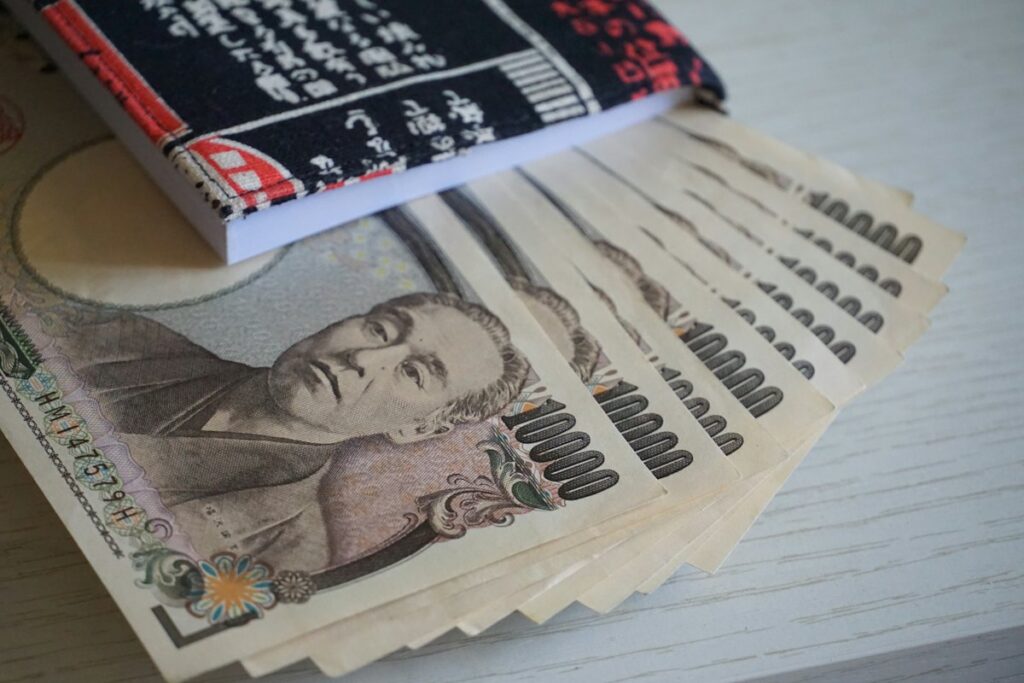
Should you pay by cash or card in Japan? If you are planning a trip from the UK, this is one of the most common practical questions, and the honest answer is “mostly card, but never only card”. Japan is moving steadily towards cashless payment, yet there are still everyday situations where coins and notes are the only option. The cash or card in Japan question is easier once you stop asking it in general and start asking it for each situation you will actually be in.
This guide is a decision guide rather than a how-to-pay manual. If you want the basics of every payment type, read our Japan payment methods guide first. Here we walk through realistic scenarios, so you can see at a glance what to reach for and what to keep in your pocket.
The short answer: carry both
Official figures give a useful picture. According to Japan’s Ministry of Economy, Trade and Industry, cashless payments made up 58.0% of consumer spending in 2025, and credit cards were by far the largest part of that. So most of the country has moved on from cash. But that is an average across everything people buy, including online shopping and bills. It does not tell you what you will meet at a family-run noodle shop or a small shrine.
That is why our general approach is simple: treat your card and phone as the default, and treat cash as insurance. If you are wondering whether you need cash in Japan, the answer for most trips is yes, a modest amount, because a handful of situations will still ask for it, and running out can be awkward.
Where cards work well
In big cities and on well-travelled routes, cards are now widely accepted. These are the places where we would expect to tap or insert a card without much thought:
- Department stores, large shops and chain shops
- Most hotels, especially larger ones
- Many chain restaurants and cafés
- Convenience stores and supermarkets
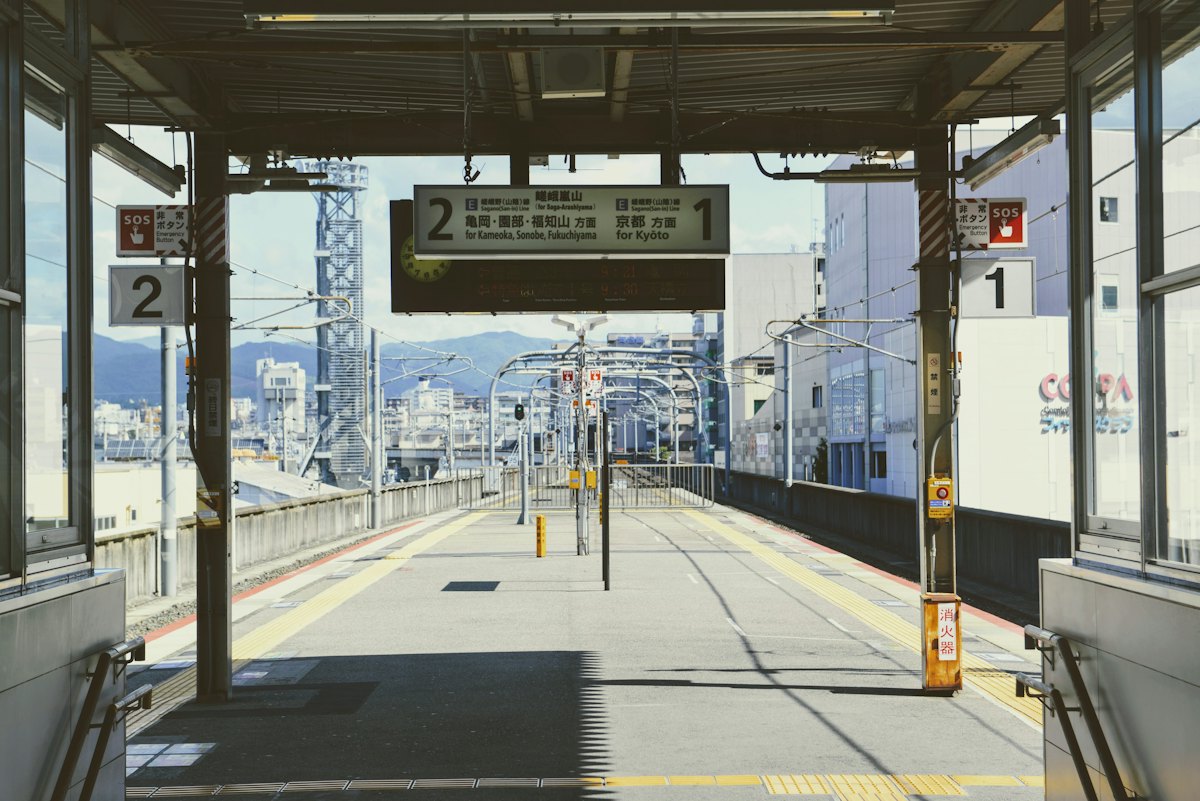
- Major train stations, including ticket machines and ticket offices in many cases
- Taxis in cities, though it is worth checking before you get in
Acceptance of particular card types varies from place to place. Cards from the large international networks are accepted in many places, but not everywhere, and a few shops prefer domestic cards or other methods. It is sensible to bring more than one card, ideally from different networks, and to keep one in a separate place from your wallet in case of loss.
Contactless payment is common but not universal. Some terminals work only by inserting the card and some ask for a PIN or signature, so make sure you know your PIN before you travel. Our convenience store guide covers how checkouts work in the shops you will probably use most.
Where cash still matters
Cash is still the safer option in a predictable list of places:
- Small, family-run restaurants, izakaya and street-food stalls
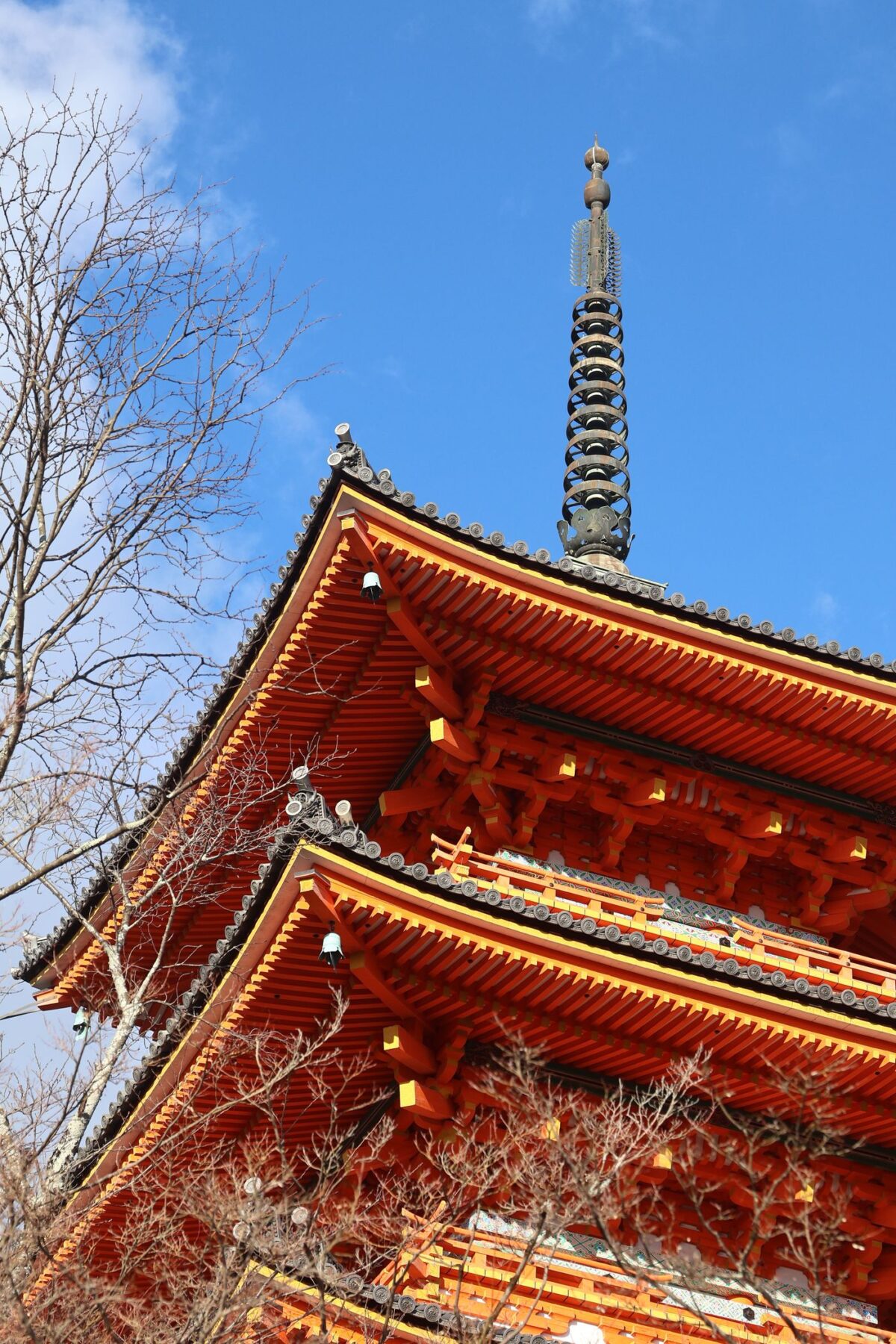
- Temples and shrines, for entrance fees, charms and offerings
- Some rural guesthouses, small ryokan and local museums
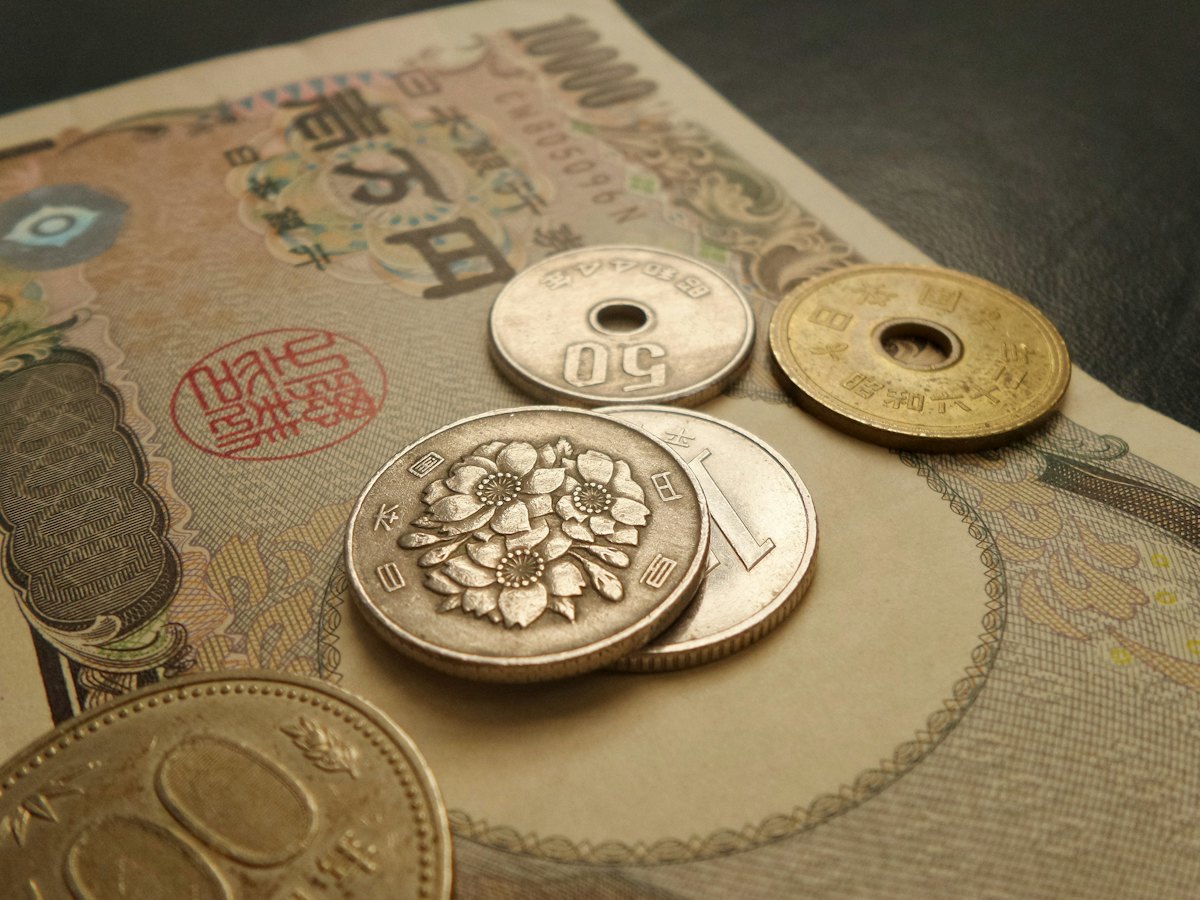
- Many vending machines and coin lockers, although more now take IC cards
- Local buses and small local railways in some regions
- Markets, festival stalls and small independent shops
Some of these places may accept a card in reality, but you cannot always tell from outside. A small sign near the door or the till often shows which payment types are accepted, and if you do not see one, it is a good moment to ask politely.
For the vending machines in particular, see our guide to Japan vending machine culture, where we explain what the machines take and how to use them.
A day in Tokyo: mostly cards, a little cash
Imagine a normal sightseeing day in Tokyo. You wake up in a mid-sized hotel and pay for the room by card at check-in or check-out. Breakfast is from a convenience store, paid for with a phone or card. You tap a travel card or phone at the station gate, and the fare is deducted automatically.
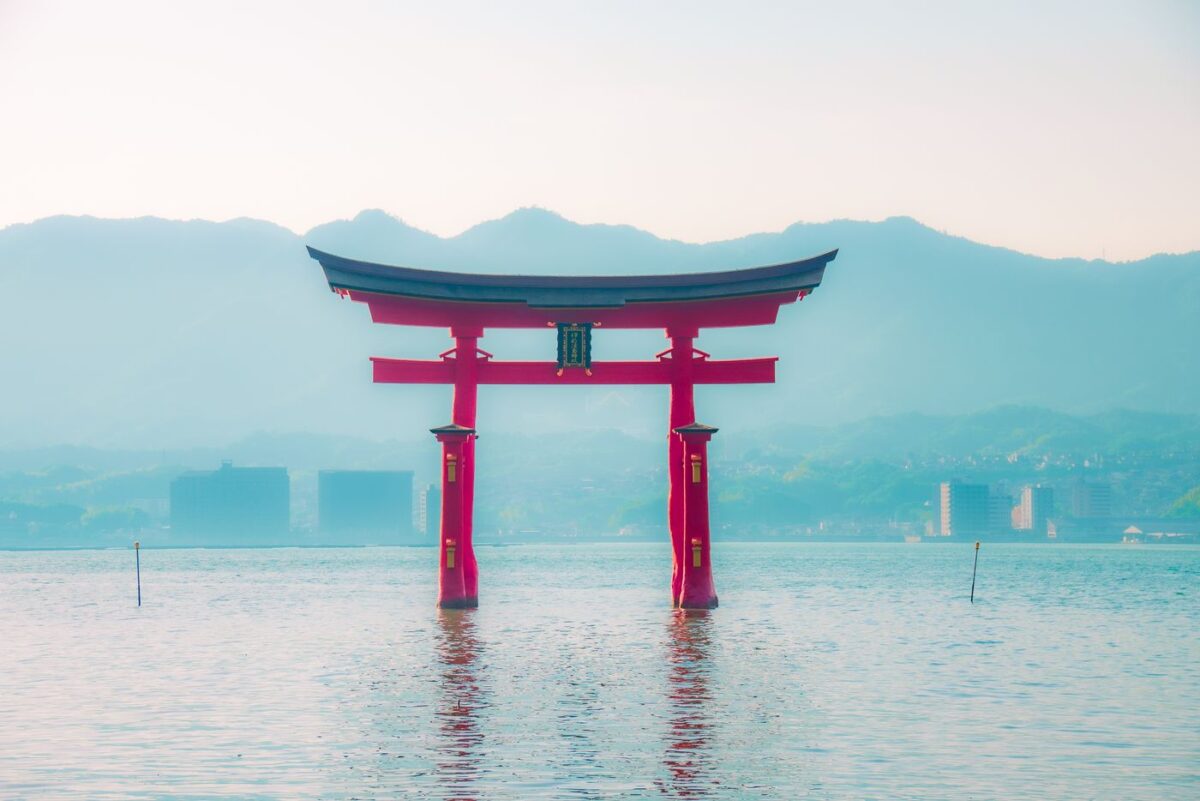
Mid-morning you visit a shrine. Many have free entry, but if you want to make an offering or buy a charm, small coins are the traditional and easiest way. Lunch is at a small ramen counter, and here is where the day might change: some ramen shops use a ticket machine at the entrance that takes coins and notes, and the cash-only ones may not take a card at all. In the afternoon you shop at a department store, where cards are normally welcome. In the evening you eat at a chain restaurant, pay by card at the till, and then pick up a drink from a vending machine on the way back.
On a day like this, a few thousand yen in small notes and coins is the sort of cushion that covers the ramen shop, the shrine and a locker. Everything else can go on a card or phone. What counts as enough depends on your own habits, so treat any amount as a personal judgement rather than a rule.
A countryside onsen town: bring more cash
Now picture a hot-spring town in a quieter region. Here, the balance shifts. Smaller ryokan may take cards for the room, but some do not, and extras such as drinks, souvenirs or a day-use bath can be cash only. The local bus may expect coins or a paper ticket. The nearest ATM may be in a convenience store or post office a short walk away, but in very small places there may be no ATM that works with your card at all.
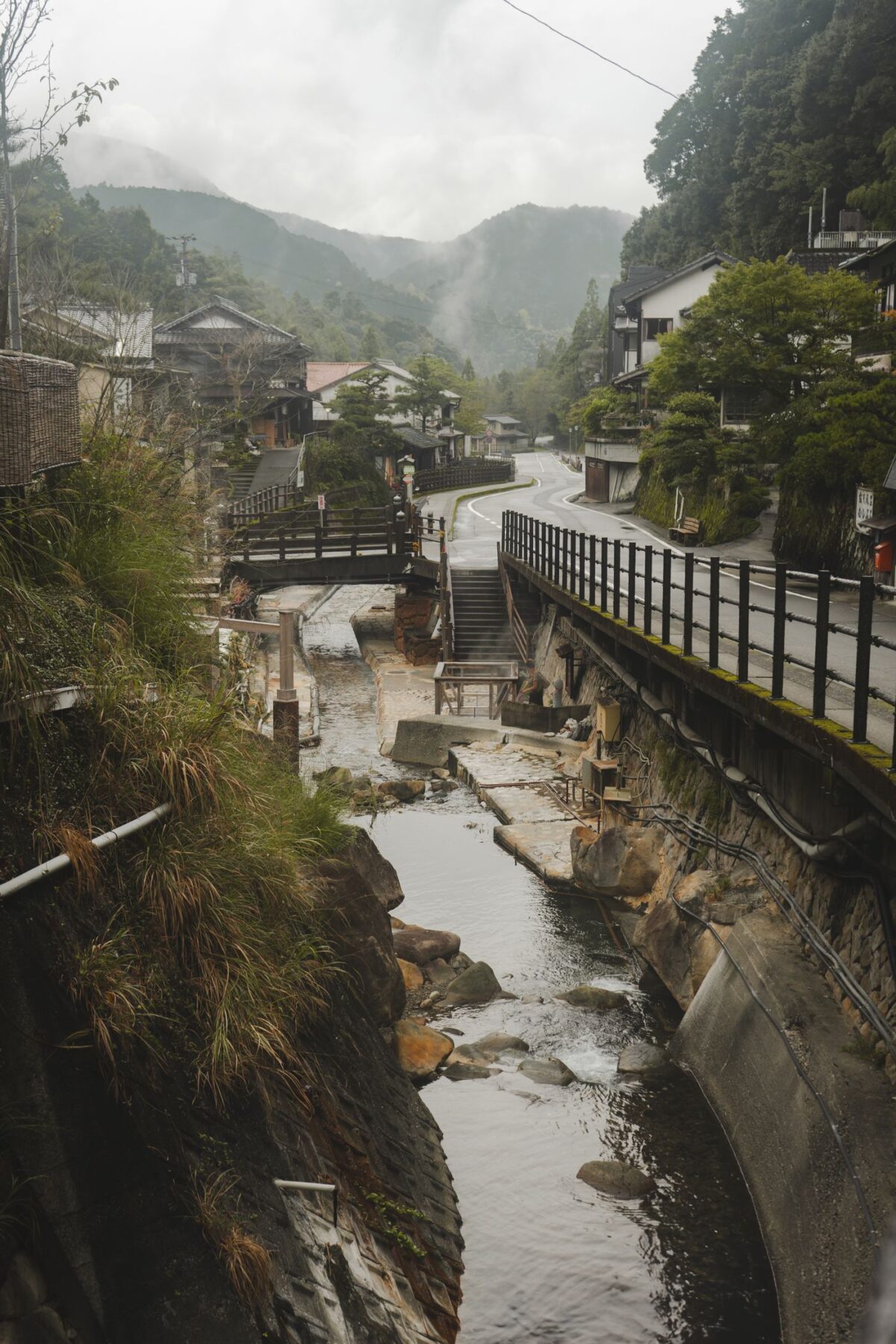
The practical approach is to arrive with enough yen for the whole stay, or at least for the local costs, rather than planning to withdraw on arrival. Check the booking details or email the accommodation beforehand to ask how they take payment. Many small places are happy to answer this, and it avoids the unpleasant surprise of finding the card terminal is only for a few things.
Local shops sell a lot of snacks and crafts, and it is nice to buy them from small stalls. These are often cash only, so keep coins and 1,000-yen notes ready. If you are using IC cards on trains in the region, remember that not every rural line or bus accepts them, so check before you assume.
A night out: izakaya, bars and splitting the bill
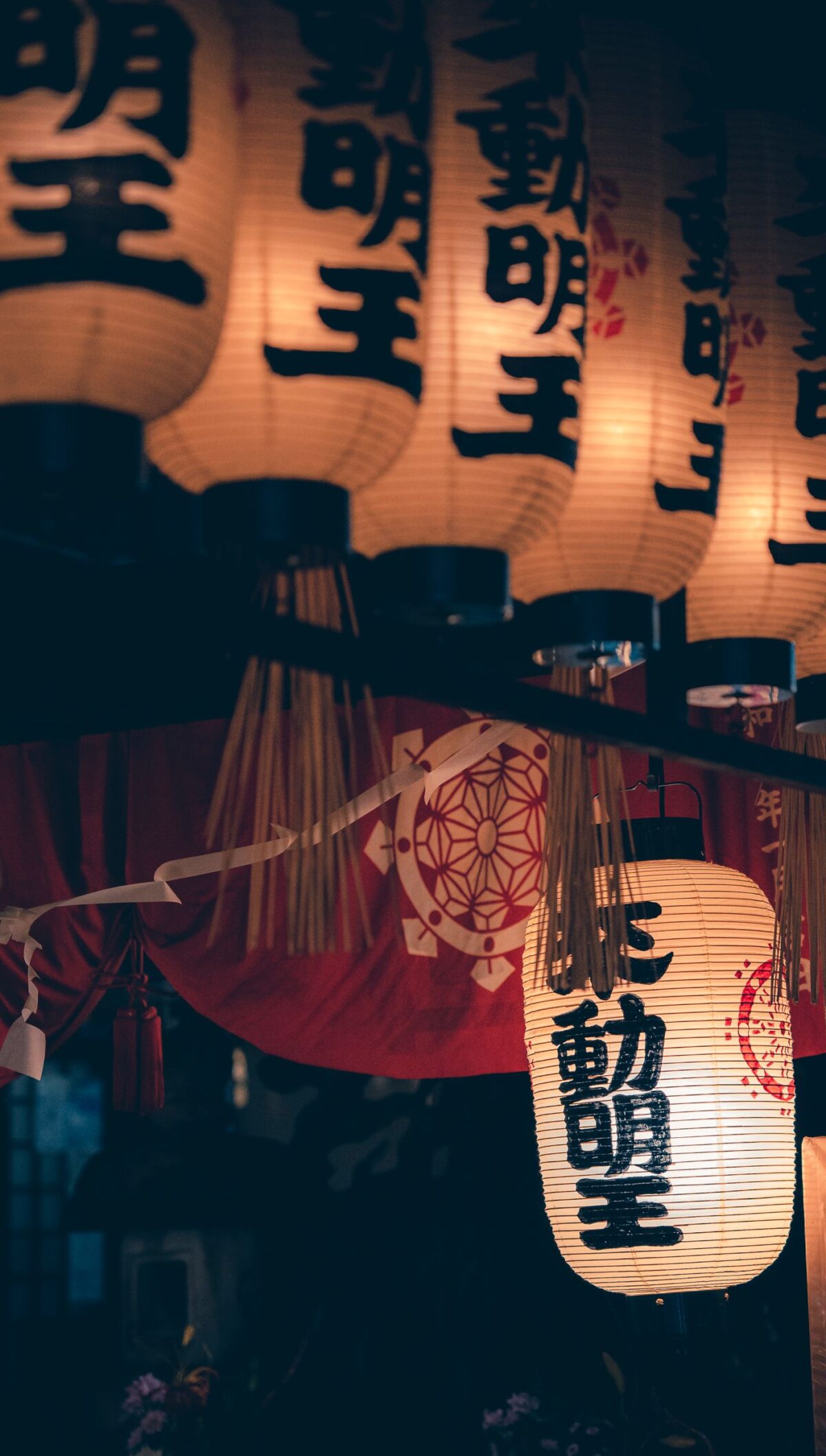
Evenings are where payment habits differ most. Larger izakaya chains and hotel bars usually take cards. Small neighbourhood bars, especially those with only a handful of seats, often prefer cash and sometimes have a table charge or a small cover fee that appears on the bill. That is normal and not a trick.
With friends, splitting by card can be harder than at home. Some places will only run one card per bill, and a few cannot divide payments at all. It is polite to agree who pays at the table, or to settle up with each other afterwards using a payment app or cash.
If you are not sure, ask before you order. A short, friendly question at the door saves any awkwardness later, and it is completely normal to ask. We include the phrases in the useful phrases section below.
How much cash should you carry?
There is no official figure and no single right amount. We would rather give you a way to think about it than a number that might not suit your trip.
Consider three things. First, how much of your trip is in cities and how much in smaller places, because the more rural your plans, the more cash you will want. Second, how many meals you expect to eat in small restaurants, since those are where cash is most likely. Third, how comfortable you are with topping up. Cash is easy to withdraw from many machines in Japan, so you do not need to carry the whole trip’s spending at once.
A sensible pattern is to carry a small amount for each day, keep a reserve somewhere safe, and top up when you pass an ATM you trust. Japan is generally a low-crime country, but it is still wise not to carry everything in one wallet. Keep coins handy, too, because many places are cash-only for small purchases and coins disappear quickly.
Getting yen: ATMs, post offices and UK card fees
Many travellers withdraw yen in Japan with a UK debit or credit card. The machines you will find easiest are those in convenience stores and post offices, as they are widely located and many have English menus. Machines at some banks may have restricted hours, so do not rely on them late at night.
Not every machine accepts every foreign card, so if one fails, try another before concluding that your card has been blocked. It also helps to tell your bank that you are travelling, if your bank asks for this, and to check that your PIN works for cash withdrawals.
Fees are the part where UK travellers differ most. Your own bank may charge for foreign transactions or cash withdrawals, and the machine operator in Japan may add its own fee. Some travel-focused cards advertise no foreign transaction fees, but the terms differ, so please check your own bank’s current terms rather than relying on a general statement. When a terminal asks whether you want to pay in pounds or yen, choosing yen is usually the better option, because paying in pounds can bring a less favourable rate. Again, check what applies to your own card.
Exchanging cash at the airport or in the UK is another option. It can be useful for having a small amount of yen on arrival, but rates and fees vary, so compare before you commit.
Phones, contactless and IC cards
Phone payments can make a trip smoother. Many shops that accept contactless cards also accept the same cards held on a phone, and wallet apps on modern phones are a convenient way to pay. You can usually also add a transport IC card to your phone wallet, depending on your phone and the card. That lets you tap through station gates and pay at shops and some vending machines.
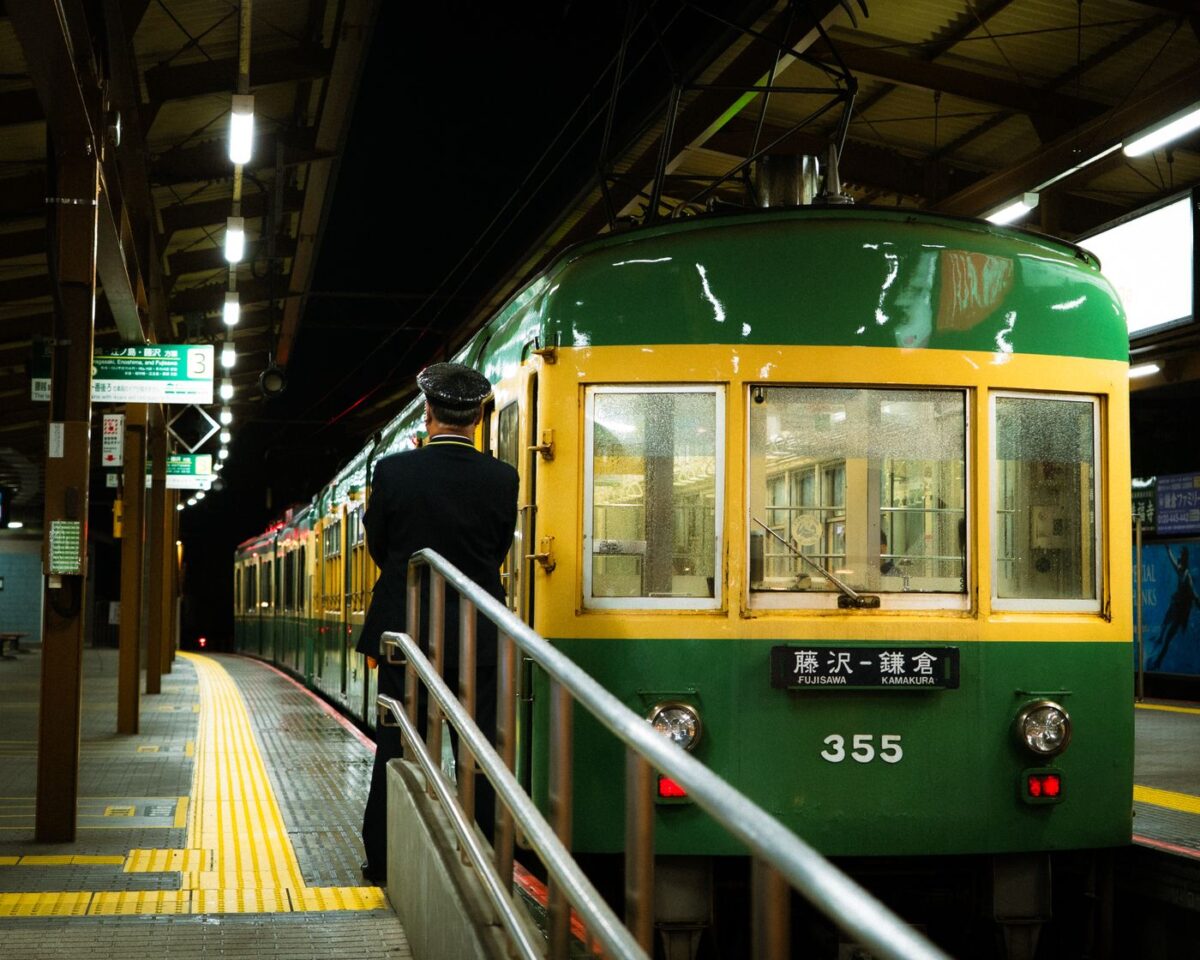
If you prefer a physical card, a travel IC card is easy to use and top up. Our guide to getting around Japan by train with IC cards explains the options and how to top up. The balance is a good use of spare coins, because many machines let you add cash in small amounts.
One caution is that some IC card balances cannot be used in every shop or region, and balance refunds can involve fees or processing steps. Do not load more than you expect to use. Also remember that your phone battery is part of your wallet, so carry a small power bank on long days.
Tax-free shopping and the no-tipping rule
Tax-free shopping changed on 1 November 2026. Instead of having the tax removed at the till, visitors now complete the tax refund procedure with customs when they leave Japan (source: Japan National Tourism Organization). You still need your passport at the point of purchase. Exactly how and when the refund itself is paid out was not confirmed in detail at the time of writing, so check with the shop and the official tourism site if you are unsure.
For your payment plan, it is enough to know two things. Keep your passport with you when shopping, and keep your receipts and purchases accessible for the departure process, not packed deep in a suitcase.
On tipping, the simple rule is that you do not tip in Japan. Staff do not expect it, and leaving money on the table can cause confusion, with someone sometimes running after you to return it. Service is part of the price.
When you pay in cash, you will often see a small tray at the till. Put your money on the tray rather than handing it over directly, and the staff member will place your change and receipt on it. It is a courteous way of exchanging money, and it is easy to get used to.
Useful phrases for paying
These short phrases cover most payment situations. You can find more in our guide to Japanese phrases for travel.
クレジットカードは使えますか?
Kurejitto kādo wa tsukaemasu ka?
Can I pay by card?
現金のみですか?
Genkin nomi desu ka?
Is it cash only?
交通系ICカードは使えますか?
Kōtsūkei IC kādo wa tsukaemasu ka?
Can I use a transport IC card?
別々に払えますか?
Betsubetsu ni haraemasu ka?
Can we pay separately?
レシートをお願いします。
Reshīto o onegai shimasu.
Could I have a receipt, please?
カードでお願いします。
Kādo de onegai shimasu.
By card, please.
If you hear “現金のみです” (genkin nomi desu), it means cash only. A smile and a polite “わかりました” (wakarimashita, “I understand”) is all you need.
Frequently asked questions
Do you need cash in Japan?
For most trips, yes, a modest amount. Cards work in many places, but small restaurants, shrines, rural areas and vending machines may still need cash. Think of cash as a back-up that stops small problems becoming big ones.
Can I use contactless and phone payments everywhere?
Not everywhere. They are common in cities, chain shops and stations, but smaller businesses may not support them. Keep a physical card and some cash alongside your phone.
Is it better to withdraw yen in Japan or exchange money in the UK?
Both work. Many travellers take a small amount before they leave, then withdraw as needed from convenience-store or post-office machines. Compare your own bank’s fees and exchange rates, because they differ between providers.
Do I need to tip?
No. Tipping is not part of Japanese service culture, and you should not leave extra money on the table.
What if my card is declined?
First try another card or machine, since acceptance can vary. If it keeps happening, contact your bank, and keep some cash as a backup. This is another reason not to rely on one card.
Should I pay in yen or pounds when asked?
Usually in yen, but check the exchange rate shown and the terms of your own card before deciding.
Conclusion
Cash or card in Japan is not an either-or decision. For most UK travellers, the best approach is a card or phone for hotels, shops, stations and chains, together with enough cash for small restaurants, shrines, rural stays and vending machines. Think about the places you will visit, then adjust the balance: a city break needs less cash than a trip through country towns.
A little preparation makes a big difference. Check your bank’s fees, bring more than one card, learn a few payment phrases and top up your cash before you head to quieter places. If you would like more help with planning your trip, we are happy to help.
👉 Get our free Japan travel guide
About Iroha Passport
Iroha Passport helps English speakers learn Japanese and plan their trips to Japan. Lessons are taught by native Japanese teachers living in London, in person or online.
By Iroha Passport