Introduction
What should you eat for breakfast in Japan?
When you think of a traditional Japanese breakfast, you might picture a bowl of rice, miso soup, grilled fish and a few small side dishes. While this is certainly one style of Japanese breakfast, it is far from your only option when travelling in Japan.
Depending on where you stay and how you spend your morning, breakfast could mean a traditional meal at a ryokan, a buffet at your hotel, toast and coffee at a café, or an onigiri picked up from a convenience store before catching an early train.
Trying different breakfasts can be a simple way to experience another side of Japanese food culture. It can also introduce you to useful Japanese words that you will see on menus and signs throughout your trip.
If you would like to practise practical Japanese before your trip, Iroha Passport’s Travel Japanese lessons focus on language you can use in real situations, including ordering food, shopping and getting around Japan.
1. What Is a Traditional Japanese Breakfast?
A traditional Japanese-style breakfast is quite different from the cereal, toast or full English breakfast that many travellers from the UK may be familiar with.
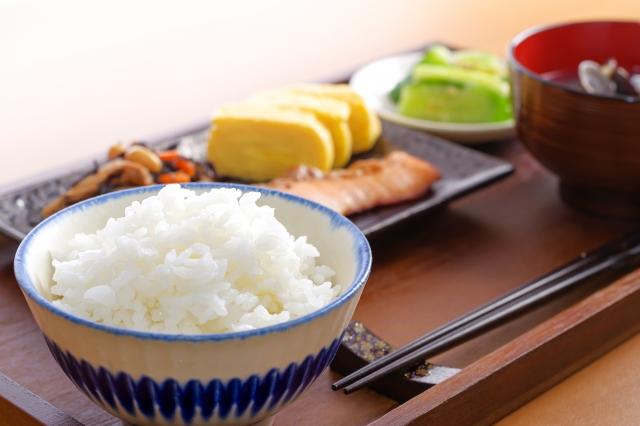
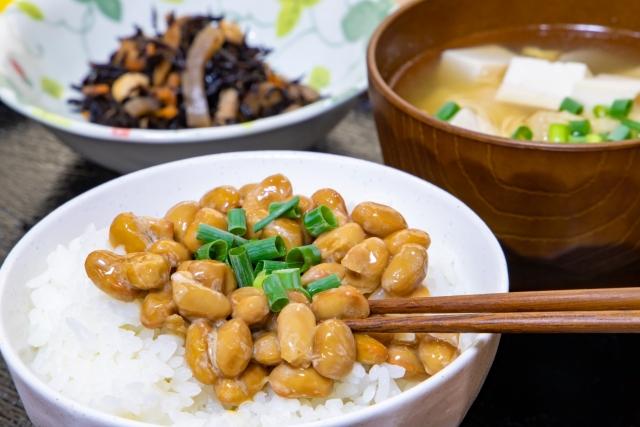
A typical Japanese-style breakfast might include rice, miso soup, grilled fish and several smaller dishes.
You may also come across foods such as:
- ご飯 (Gohan) — Rice
- 味噌汁 (Misoshiru) — Miso soup
- 焼き魚 (Yakizakana) — Grilled fish
- 卵焼き (Tamagoyaki) — Japanese rolled omelette
- 納豆 (Natto) — Fermented soybeans
- 漬物 (Tsukemono) — Japanese pickles
- 海苔 (Nori) — Dried seaweed
Of course, this does not mean that everyone in Japan eats this kind of breakfast every morning. Breakfast habits vary between households and individuals, and bread, cereal and other quick options are also common.
However, if you are visiting Japan, a traditional breakfast can be an enjoyable way to try several familiar Japanese ingredients in one meal.
2. Breakfast at a Japanese Hotel
For many international travellers, their first Japanese breakfast experience may happen at their hotel.
Breakfast varies considerably between hotels. Some offer a buffet with both Japanese and Western-style dishes, while others provide a set breakfast.
At a buffet, you might find rice, miso soup, grilled fish and Japanese side dishes alongside bread, eggs, yoghurt, salad and coffee. This makes a hotel buffet a particularly easy place to experiment with Japanese breakfast foods while still having familiar options available.
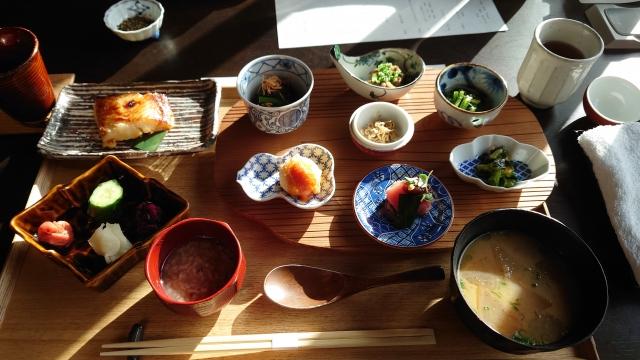
If you stay at a ryokan, a traditional Japanese inn, breakfast may be a more distinctly Japanese experience. Depending on the accommodation, you might receive a set meal made up of rice, soup, fish and several small dishes.
Breakfast styles and what is included vary by accommodation, so it is worth checking when you make your booking.
3. Try a Japanese Café Morning Set
If your hotel does not include breakfast, heading to a café can be another way to start the day.
One word worth remembering is:
モーニング
Morning
Breakfast set / Morning set
In Japan, “morning” can refer to a breakfast deal offered by a café or coffee shop during the morning.
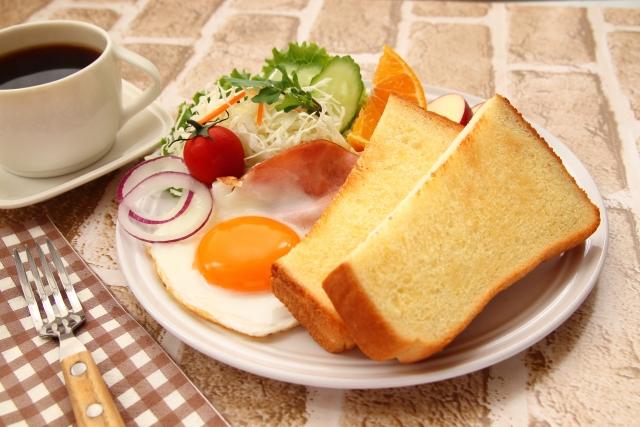
The exact contents vary, but a morning set might include coffee or tea with toast, an egg, salad or other small items.
Traditional Japanese coffee shops, known as kissaten, can be especially interesting if you want to experience a different side of Japanese café culture.
Nagoya is particularly well known for its morning-service culture, although morning sets can also be found in cafés elsewhere in Japan.
If you see morning(モーニング) on a sign outside a café, it may be worth taking a look at what is included. Our guide to Japanese cafés explains what to expect and how to order.
4. Breakfast from a Convenience Store
If you have an early train to catch or simply want something quick, a Japanese convenience store can be extremely useful.
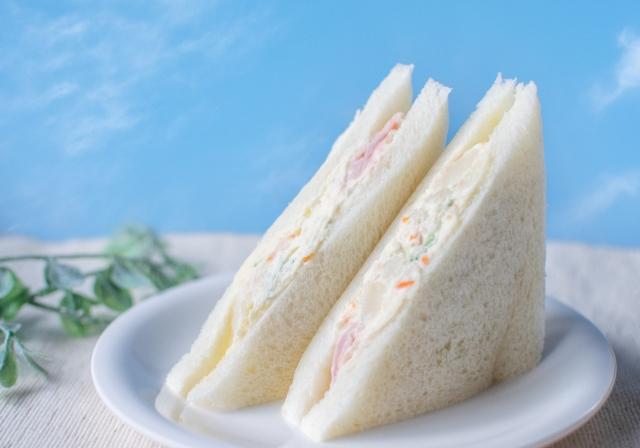
Convenience stores often offer a wide range of easy breakfast options, including onigiri, sandwiches, bread, yoghurt, drinks and other ready-to-eat foods.
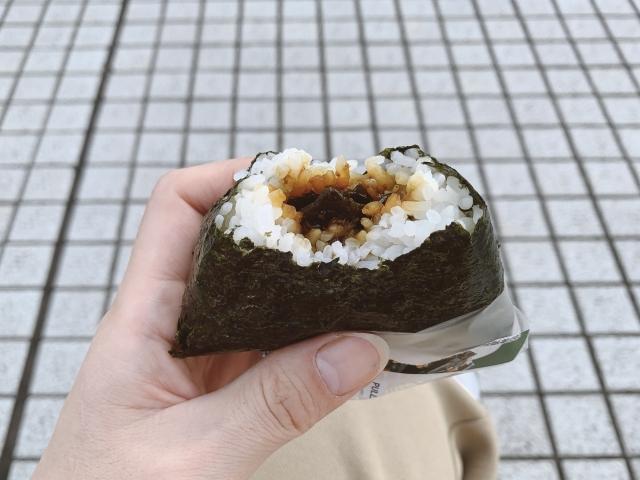
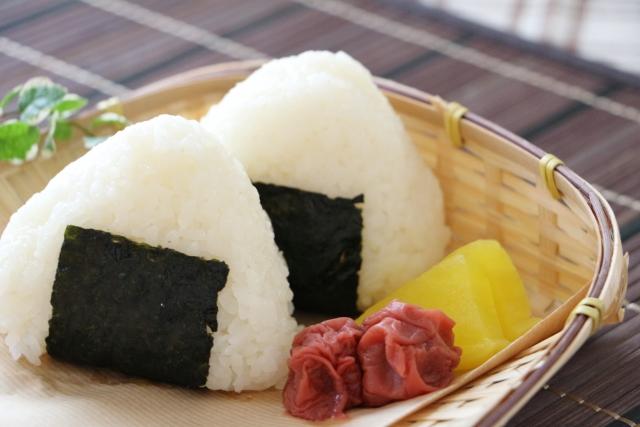
Onigiri, or Japanese rice balls, are particularly convenient for travellers. They come with a variety of fillings, and the packaging usually displays the flavour or ingredient.
Japanese convenience store sandwiches are another popular quick option. You may see familiar fillings such as egg, ham or tuna, alongside products that may be less familiar to visitors.
You can also pick up coffee, tea, juice or other drinks at the same time.
The selection differs between shops and changes regularly, so part of the fun can simply be looking around and choosing something you have never tried before. Our guide to Japanese convenience stores covers more of what you can find there.
5. Quick Breakfast Options at Train Stations
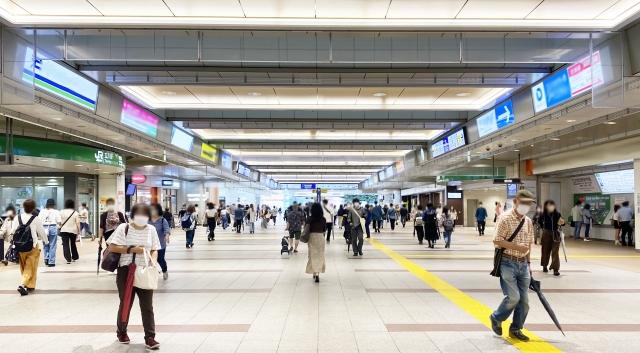
Train stations are not only places to catch trains in Japan. Larger stations in particular may contain cafés, bakeries, restaurants and shops where you can pick up breakfast.
Depending on the station and opening hours, you might find coffee and toast, onigiri, baked goods, or a bowl of soba or udon.
Some stations have quick-service noodle shops that are designed for people who want an efficient meal before continuing their journey.
This can be particularly convenient on travel days when you are moving between cities.
Instead of skipping breakfast because you have an early departure, it may be worth checking what is available inside or around the station.
6. Japanese Breakfast Foods You Should Try
You do not need to eat a full traditional breakfast to experience Japanese breakfast culture. Trying just one or two unfamiliar foods can be part of the experience.
Onigiri is an easy place to start. These rice balls are widely available and come with many different fillings.
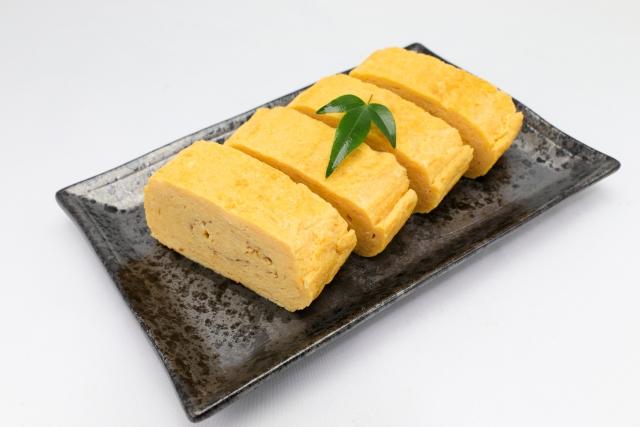
Tamagoyaki is a Japanese rolled omelette. Depending on how it is prepared, the flavour can range from slightly sweet to more savoury.
Miso soup is another classic option and may contain ingredients such as tofu, seaweed or vegetables.
For something a little more adventurous, you could try natto. These fermented soybeans have a distinctive smell and sticky texture, so they can be quite different from foods many international travellers are used to.
And if you have the opportunity to try a complete Japanese-style breakfast at a hotel or ryokan, it can be an easy way to sample several dishes together.
7. Useful Japanese for Breakfast
Knowing a few simple words and phrases can make ordering breakfast a little easier.
朝ごはん
Asagohan
Breakfast
モーニングはありますか?
Morning wa arimasu ka?
Do you have a breakfast set?
これをお願いします。
Kore o onegaishimasu.
This one, please.
コーヒーをお願いします。
Koohii o onegaishimasu.
Coffee, please.
You do not need to speak perfect Japanese to order breakfast. A simple phrase combined with pointing at a menu can often be enough to make the interaction easier. For more help at the table, see our guide to how to order food in Japan.
Conclusion
Breakfast in Japan is much more varied than a single image of rice, miso soup and grilled fish.
During one trip, you could experience a traditional Japanese breakfast at a ryokan, try a hotel buffet, order a morning set at a café, grab an onigiri from a convenience store, or eat a quick bowl of noodles near a station.
Each option offers a slightly different glimpse into everyday food culture in Japan.
And breakfast can also be a great opportunity to use simple Japanese. Even phrases such as “Kore o onegaishimasu” can make ordering feel easier and give you a chance to communicate in Japanese during your trip.
If you would like to prepare for situations like ordering at cafés and restaurants, shopping and using transport, Iroha Passport’s Travel Japanese lessons can help you practise Japanese for situations you may actually encounter while travelling.
👉 Start with the basics — get our free Travel Japanese phrasebook.
About Iroha Passport
Iroha Passport helps English speakers learn Japanese and plan their trips to Japan. Lessons are taught by native Japanese teachers living in London, in person or online.
By Iroha Passport