Introduction
If you are learning just a few Japanese words before your trip, sumimasen (すみません) should definitely be one of them.
You will hear this word everywhere in Japan: in restaurants, shops, train stations, hotels, and even on the street. What makes it especially useful is that it does not have just one English translation.
Depending on the situation, sumimasen can mean “excuse me”, “sorry”, or even express a feeling similar to “thank you”. This can seem confusing at first, but you do not need to understand every subtle difference to use it during your trip.
Once you learn a few common situations, sumimasen can become one of the most useful Japanese words in your travel vocabulary.
✨ Want to feel more confident speaking Japanese during your trip? Our 2-hour Japanese for Travel Session focuses on practical Japanese for situations you may actually experience in Japan, including restaurants, shopping, transport, and asking for help.
1. What Does “Sumimasen” Mean?
The easiest way to understand sumimasen is to think of it as a flexible expression rather than a word with one exact English translation.
Depending on the situation, it can be used to mean:
- Excuse me
- Sorry
- Thank you / Thanks for the trouble
For example, you can say sumimasen before asking someone for directions, after accidentally bumping into someone, or when somebody goes out of their way to help you.
This flexibility is one of the reasons it is such a useful word for travellers.
Instead of trying to find one perfect English translation, pay attention to the situation in which it is being used.
2. Using “Sumimasen” to Get Someone’s Attention
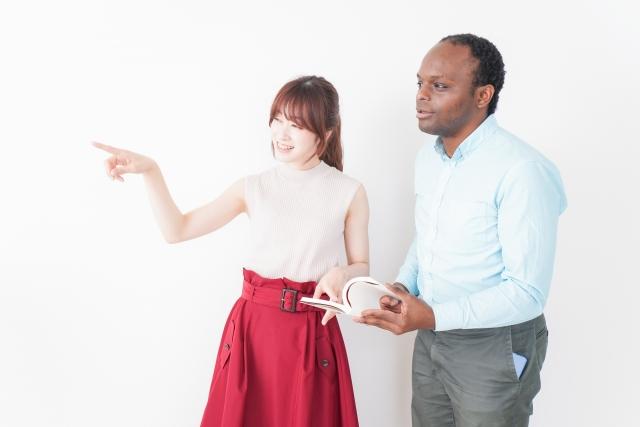
One of the easiest and most useful ways to use sumimasen is to get someone’s attention politely.
Imagine that you are in a restaurant and want to call a member of staff. Instead of saying “Excuse me” in English, you can simply say:
すみません!
Sumimasen!
Excuse me!
You can also use it before asking a question.
すみません、駅はどこですか?
Sumimasen, eki wa doko desu ka?
Excuse me, where is the station?
This works in many situations, including when you want to speak to a shop assistant, station staff, hotel staff, or someone on the street.
For travellers, this may be the most useful meaning of sumimasen to remember. If you are finding your way around stations, our guide to reading Japanese signs and stations may help too.

3. Using “Sumimasen” to Apologise
Sumimasen can also mean “sorry”.
You might use it if you accidentally bump into someone, briefly get in someone’s way, or make a small mistake.
For example, if you accidentally step in front of someone while getting off a train, a quick:
すみません。
Sumimasen.
Sorry.
is perfectly useful.
This is why you may hear sumimasen frequently in crowded places such as stations, trains, shops, and restaurants.
For serious apologies, Japanese has other expressions and levels of politeness. However, as a traveller dealing with small everyday situations, sumimasen is an extremely useful expression to know.

4. When “Sumimasen” Can Express Thanks
This is where sumimasen becomes particularly interesting.
Sometimes Japanese people use sumimasen in situations where an English speaker might simply say “thank you”.
Imagine that you drop something and another person picks it up for you. You might hear:
すみません、ありがとうございます。
Sumimasen, arigatou gozaimasu.
Thank you so much / Sorry for the trouble, and thank you.
The feeling behind sumimasen here can include both appreciation and an acknowledgement that the other person has gone to some trouble for you.
Another example might be someone moving out of the way to let you pass or taking time to help you find somewhere.
It does not mean that you have necessarily done something wrong. Instead, it can recognise the effort or inconvenience involved while also expressing gratitude.
This use does not have a perfect direct equivalent in English, which makes it an interesting example of how language can reflect cultural habits.

5. “Sumimasen” vs “Arigatou”
If sumimasen can sometimes express gratitude, you may wonder when you should use arigatou instead.
The basic difference is simple:
ありがとう / ありがとうございます
Arigatou / Arigatou gozaimasu
→ A direct expression of thanks.
すみません
Sumimasen
→ Can express apology, get someone’s attention, or acknowledge that someone has done something for you.
You may also hear the two together:
すみません、ありがとうございます。
Sumimasen, arigatou gozaimasu.
Thank you, and sorry for the trouble.
As a traveller, you do not need to worry too much about choosing the perfect expression every time.
If someone serves you food or gives you something, arigatou gozaimasu is a natural way to say thank you.
If you need to stop someone to ask for help, sumimasen is a natural way to begin.
And if somebody has gone out of their way to help you, using both can sound very polite.
6. Useful Travel Examples
The best way to learn sumimasen is to see how it works in real travel situations.
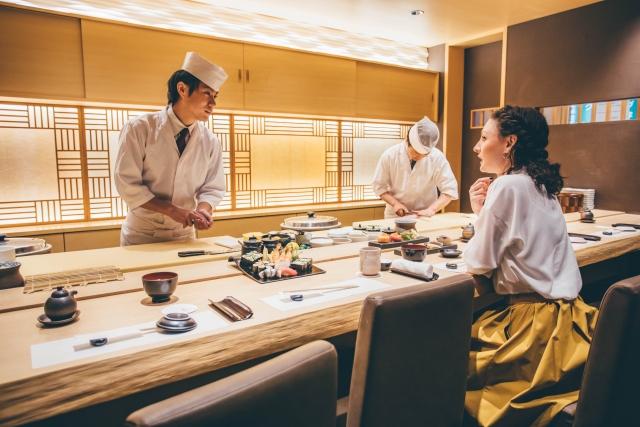
At a Restaurant
If you want to get a member of staff’s attention:
すみません!
Sumimasen!
Excuse me!
If you are ready to order:
すみません、注文いいですか?
Sumimasen, chuumon ii desu ka?
Excuse me, can I order?
At a Station
If you need directions:
すみません、新宿駅はどこですか?
Sumimasen, Shinjuku-eki wa doko desu ka?
Excuse me, where is Shinjuku Station?
You can use the same pattern with other places simply by changing the destination.

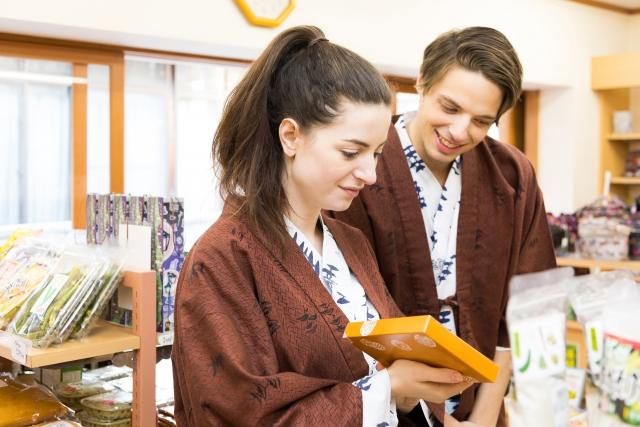
In a Shop
If you want to ask the price:
すみません、これはいくらですか?
Sumimasen, kore wa ikura desu ka?
Excuse me, how much is this?
When You Need to Pass Someone
If someone is blocking your way on a train or in a crowded shop, a polite:
すみません。
Sumimasen.
Excuse me.
may be all you need.
When Someone Helps You
If someone helps you with directions or picks something up for you:
すみません、ありがとうございます。
Sumimasen, arigatou gozaimasu.
Thank you very much.
These simple examples show why sumimasen is so valuable: one word can help you handle many different situations. If you are heading to restaurants, our guide to how to order food in Japan shows these phrases in context.
7. Don’t Worry About Using It Perfectly
Japanese can feel intimidating for first-time learners because there are different levels of politeness and many expressions can change depending on the situation.
But you do not need perfect Japanese to use sumimasen successfully.
Even saying:
すみません。
Sumimasen.
before asking a question can make it clear that you are politely trying to get someone’s attention.
You can then combine it with words you already know, simple Japanese, or even gestures when necessary.
The goal when travelling is not to speak like a native speaker. It is to communicate respectfully and make everyday interactions a little easier.
Learning a few versatile expressions such as sumimasen, arigatou gozaimasu, and onegaishimasu can make a surprisingly big difference. Our essential Japanese phrases for travellers has more.
Conclusion
If you only have time to learn a handful of Japanese expressions before visiting Japan, sumimasen deserves a place near the top of your list.
It can help you get someone’s attention, apologise for a small mistake, ask for assistance, and even express appreciation when someone has helped you.
Most importantly, you do not need to master every subtle meaning before using it. Start with the situations you are most likely to encounter while travelling, and you will quickly begin to recognise how the word is used around you.
Knowing even a little Japanese can make everyday moments—from ordering at a restaurant to asking for directions—feel much easier and more rewarding.
If you want to practise useful expressions before your trip rather than simply memorising vocabulary, our 2-hour Japanese for Travel Session focuses on Japanese you can actually use while travelling.
👉 Start with the basics — get our free Travel Japanese phrasebook.
About Iroha Passport
Iroha Passport helps English speakers learn Japanese and plan their trips to Japan. Lessons are taught by native Japanese teachers living in London, in person or online.
By Iroha Passport