It’s the question almost every first-time visitor asks: is English spoken in Japan, and can you get by without any Japanese at all? The honest answer is reassuring — yes, you can absolutely travel Japan with English alone, especially in the big cities — but there are moments where a little Japanese transforms the trip from manageable into genuinely memorable. This guide, written by a native Japanese team for UK travellers, looks honestly at where English works, where it doesn’t, and why a handful of words is one of the best investments you can make. So do you need Japanese to travel in Japan? Let’s take a clear-eyed look.
Where English Works Well
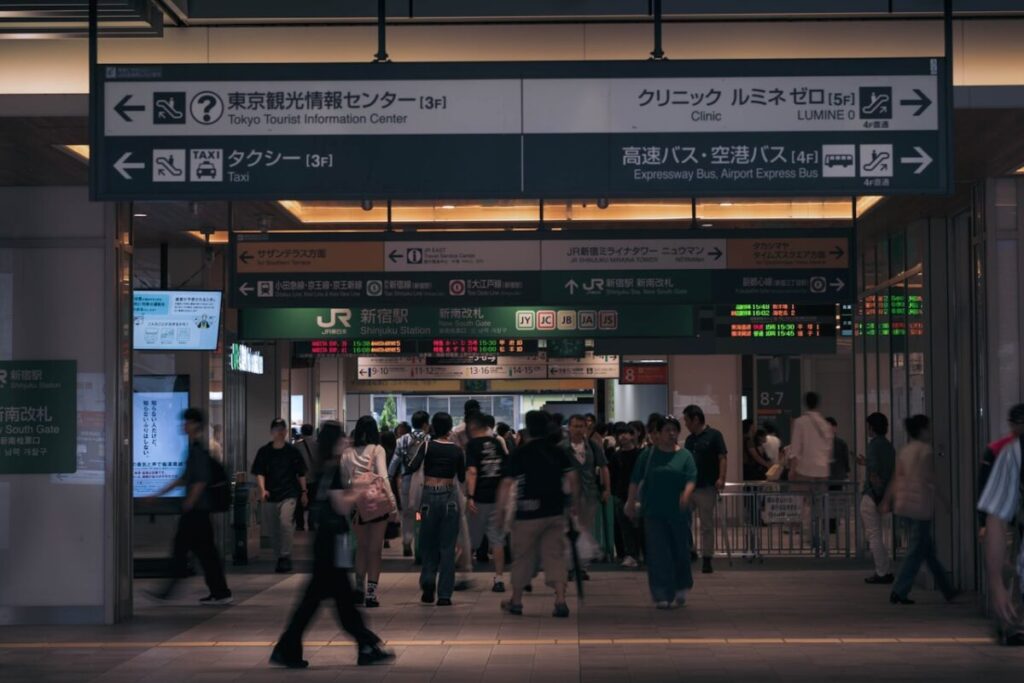
In the places most visitors spend their time, English will carry you a long way. Major cities like Tokyo, Kyoto and Osaka are well set up for international travellers: train stations display English signage and make English announcements, ticket machines offer an English option, and major attractions, museums and department stores often have English information. Hotels aimed at tourists usually have English-speaking staff, airports are fully bilingual, and chain restaurants and cafés frequently provide English or picture menus. Younger people in particular often understand some English, even if they’re shy to speak it. For getting around, sightseeing and staying in international hotels, you’ll rarely feel stuck — larger sights often add audio guides or English leaflets too. In the middle ground — local buses, taxis and smaller restaurants — a few words or a translation app smooth things along, but for getting around, sightseeing and international hotels the tourist infrastructure is genuinely impressive and improves every year.
Where It Gets Harder
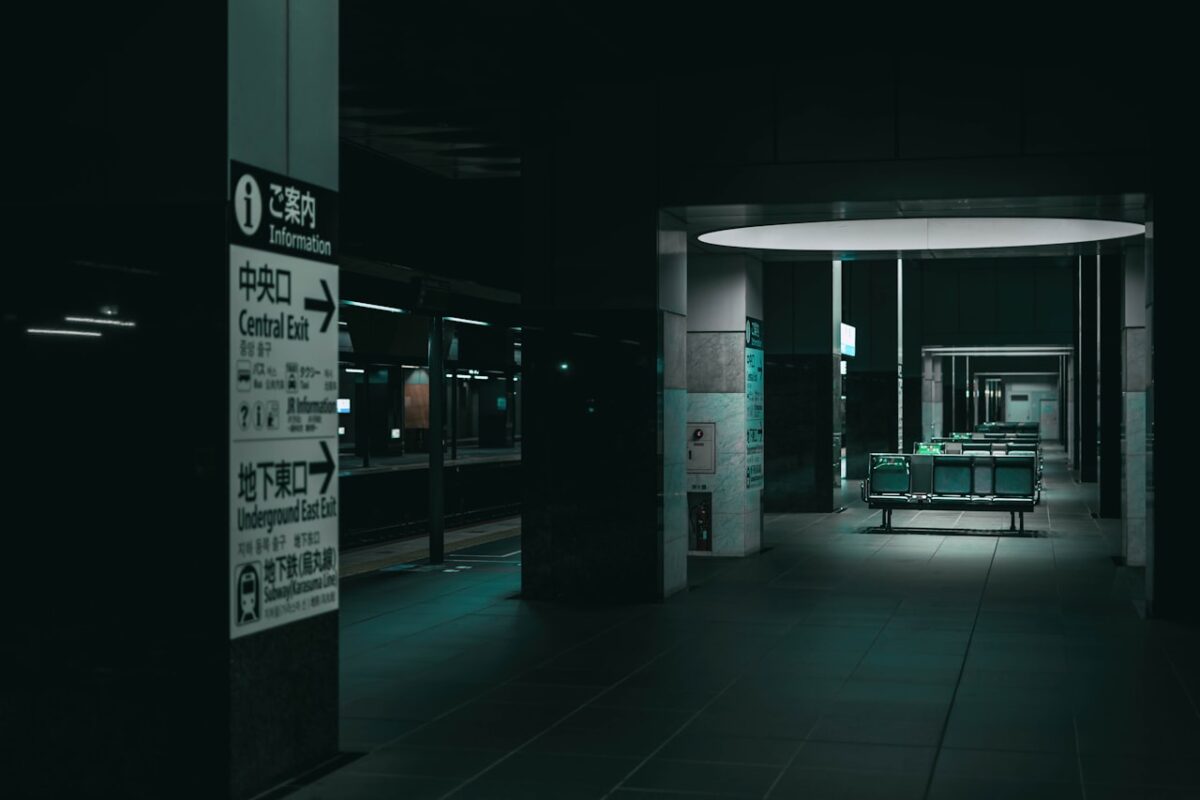
Step off the well-worn tourist path and the picture changes. In rural towns, small family-run restaurants and traditional izakaya, English menus and English-speaking staff are far less common. Taxi drivers, pharmacists, and staff at small shops or local government offices may speak little English, and anything beyond a simple exchange — explaining a problem, asking a detailed question, sorting out a mix-up — can become tricky. Reading is its own challenge: handwritten menus, product labels and notices are often in Japanese only. And in an emergency or a medical situation, the language gap can feel more pressing. None of this makes travel impossible, but it’s where a translation app, a little preparation, and a few key phrases really earn their keep.
The Tools That Help
Technology bridges most of the everyday gaps. A translation app with camera and voice modes is invaluable — point it at a menu or sign for an instant translation, or speak into it to hold a basic two-way conversation. Download an offline language pack and offline maps before you travel so patchy signal never leaves you stranded. Maps apps handle directions and even name the station exit to use, and pointing at photos or plastic food models remains a reliable fallback. Our guides to reading Japanese signs and stations and getting around by train pair well with these tools. Between apps and a few gestures, you can navigate almost any situation — but tools have their limits, which is where a little language comes in.
Why a Little Japanese Goes a Long Way
Here’s the part that surprises people: you don’t need to be fluent for Japanese to change your trip. Even a few words — a greeting, a thank-you, a simple request — are met with genuine warmth, because they show respect and effort, which Japanese culture values deeply. A little language opens doors that stay closed to English-only travellers: the tiny local restaurant where the owner lights up when you order in Japanese, the shopkeeper who shares a recommendation, the small, human moments of connection that become the stories you tell back home. It’s not about getting by; it’s about turning a smooth holiday into a richer, warmer experience. That’s the real reason a handful of phrases is worth so much more than the effort it takes to learn them.
How Much Should You Learn?
You don’t need months of study — a focused hour or two before you fly covers the essentials. Aim for the building blocks of daily interaction: greetings and thank-yous, “excuse me” and “sorry,” a few numbers, how to order and ask “how much is this?”, and how to ask for directions or say you don’t understand. Learning to recognise a handful of common characters (exit, entrance, toilet, station) helps too. A short, practical burst of preparation focused on real travel situations gives you far more than a grammar textbook would. If you’d like a friendly head start, our Travel Japanese sessions are built exactly for this — and for those who catch the bug and want to go further, ongoing private lessons take you deeper at your own pace.
A Handful of Phrases to Start With
- こんにちは (Konnichiwa) — Hello
- ありがとうございます (Arigatō gozaimasu) — Thank you
- すみません (Sumimasen) — Excuse me / Sorry
- これをください (Kore o kudasai) — This one, please
- いくらですか? (Ikura desu ka?) — How much is it?
- 英語を話せますか? (Eigo o hanasemasu ka?) — Do you speak English?
- わかりません (Wakarimasen) — I don’t understand
Getting Around with English
Transport is one of the most English-friendly parts of a trip. Station names and key signs are shown in English as well as Japanese, ticket machines offer an English option, and announcements on major lines are frequently bilingual. A maps or transit app removes almost all remaining friction, telling you which line and platform to use in English. Tap-and-go IC cards mean you rarely need to speak to anyone at all just to travel across a city, which takes a lot of pressure off.
When Things Go Wrong
If you hit a genuine problem, help is closer than you think. Hotel front desks are a reliable first port of call and will often make a phone call or explain something on your behalf. Tourist information centres in major cities and stations have English-speaking staff and plenty of resources. Small neighbourhood police boxes (koban) can help with directions or lost property, and staff everywhere will usually go out of their way to assist a visitor in difficulty, language gap or not.
Regional Differences
How much English you encounter does vary by place. In Tokyo, Kyoto, Osaka, and other major tourist hubs, English is relatively widespread. Venture into smaller towns, rural areas, and local neighbourhoods, and it thins out quickly — which is exactly where a few words of Japanese and a translation app become most valuable. Rather than a reason to avoid these areas, it’s a reason to prepare a little, because they’re often the most rewarding and authentic parts of a trip.
Handling Tricky Moments
For the situations that matter most, a little forethought goes a long way. If you have allergies or dietary needs, carry a clearly written card in Japanese — it’s far more reliable than hoping to explain in the moment. For anything medical, your accommodation is your best ally: hotel and guesthouse staff will often phone ahead, help you find an English-speaking clinic, or translate on your behalf. If you lose something, the famously honest lost-and-found system and a nearby police box (kōban) are genuinely helpful, and staff will patiently work through a translation app with you. Keep your accommodation’s address written in Japanese to show a taxi driver, and save key phrases offline. With these small safety nets, even the harder moments rarely become real problems.
Reading vs Speaking: Which Is the Bigger Barrier?
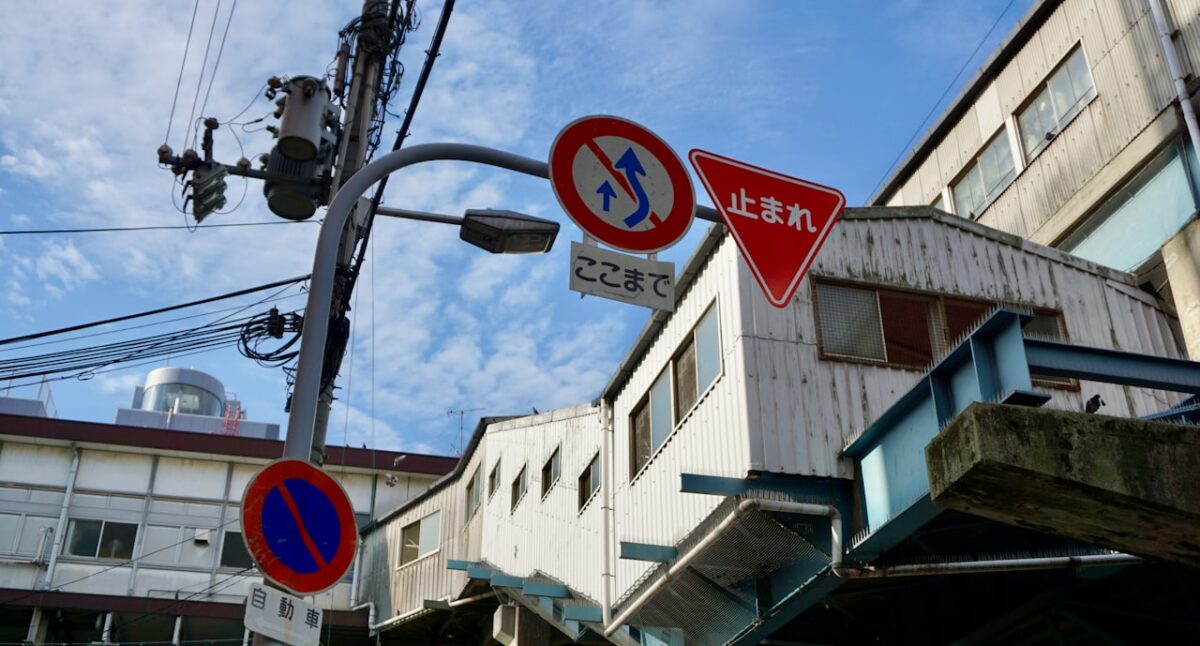
For many travellers, reading turns out to be a bigger hurdle than speaking. Spoken exchanges are often short and can be handled with gestures, pointing or a voice-translation app, and people are usually eager to help. Reading, though — handwritten menus, ingredient labels, notices and some older signage — is where Japanese-only text can genuinely stump you. This is exactly where a translation app’s camera mode shines, instantly turning kanji into English, and where recognising a few key characters pays off. If you learn to spot a handful of common signs and lean on your phone for the rest, the reading barrier shrinks to something very manageable, and the speaking side takes care of itself with a smile and a couple of phrases.
A Realistic Confidence Boost
It helps to hear this plainly: thousands of visitors travel across Japan every day speaking little or no Japanese, and they have a wonderful time. The country is set up for international guests to a degree that surprises many first-timers, from bilingual signage to helpful staff to apps that translate on the spot. If you are feeling nervous about the language before your trip, take heart — the practical barriers are lower than the reputation suggests, and the rare tricky moment is almost always solved with a little patience and a phone.
At the same time, the travellers who enjoy Japan most tend to be the ones who lean in just a little: learning a few phrases, trying to read a couple of signs, and being willing to point, gesture, and smile their way through. You don’t need to choose between “English only” and “fluent Japanese” — the sweet spot is somewhere in between, where a small amount of preparation unlocks a noticeably richer, smoother, and friendlier trip.
Preparing Before You Go
A short burst of preparation goes a long way. In the weeks before your trip, spend a little time learning core travel phrases, downloading and testing a translation app, and getting comfortable recognising a handful of common signs. Even an hour or two of focused practice on the situations you’ll actually face — ordering food, buying tickets, asking directions — pays off from the moment you land, and it turns nervous anticipation into genuine excitement about putting your new words to use.
Conclusion
So, will English get you by in Japan? In the cities and on the tourist trail, comfortably yes — and with a translation app in your pocket, you can handle the harder moments too. But the travellers who come home with the warmest stories are almost always the ones who learned a little Japanese, because those few words unlock a friendlier, deeper, more human trip. You don’t need fluency; you need a handful of phrases and the willingness to use them. That small effort is repaid many times over in smiles, kindness and connection.
Want to arrive with the essentials ready to use? A short, practical Travel Japanese session covers exactly the phrases that matter for a trip — you can book a fast-track session before you fly. And if you find you love the language, our private lessons with native teachers who explain in fluent English are a wonderful way to keep going.
About Iroha Passport
Iroha Passport is a London-based Japanese language and travel service with over six years of experience. Our native Japanese team offers honest, practical guidance, short Travel Japanese preparation and ongoing private lessons. By Iroha Passport.