This article contains affiliate links. We may earn a small commission at no extra cost to you.
One of the first questions every visitor asks is simple: when is the best time to visit Japan? The honest answer is that there’s no single perfect month — each season offers something genuinely special, from cherry blossoms and summer festivals to blazing autumn leaves and snowy hot springs. The right choice depends on what you most want to see and how you feel about crowds, heat and cost. This season-by-season guide, written by a native Japanese team for UK travellers, walks through when to visit Japan so you can match the timing to the trip you’re dreaming of.
Spring (March to May): Cherry Blossoms and Mild Weather
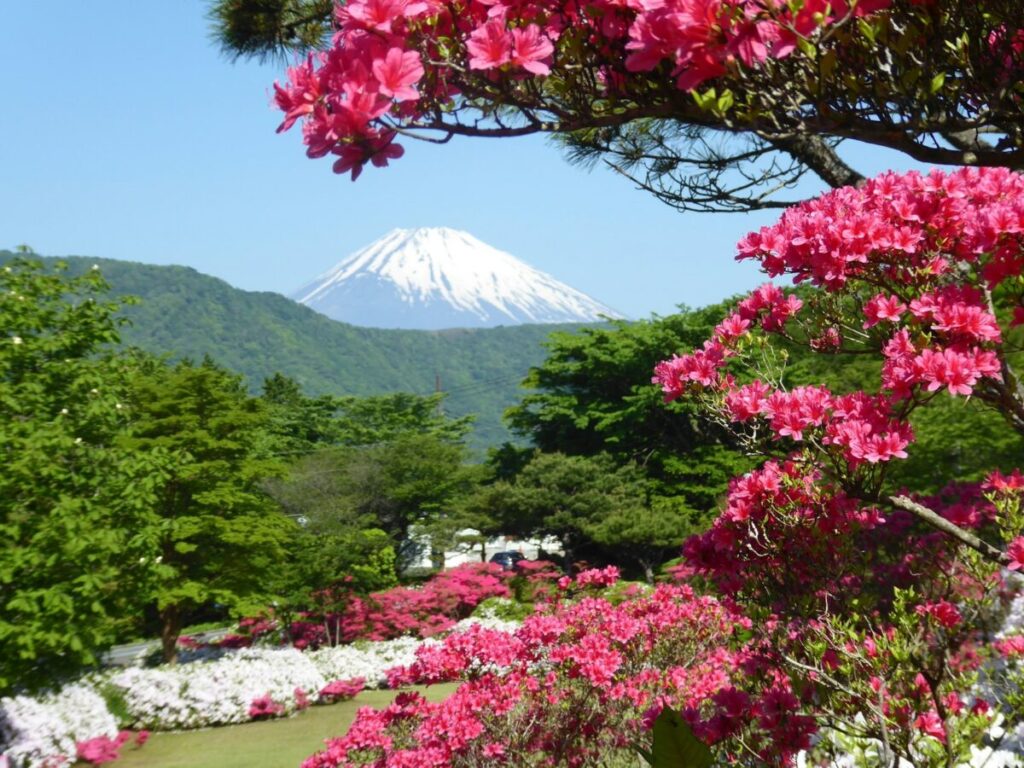
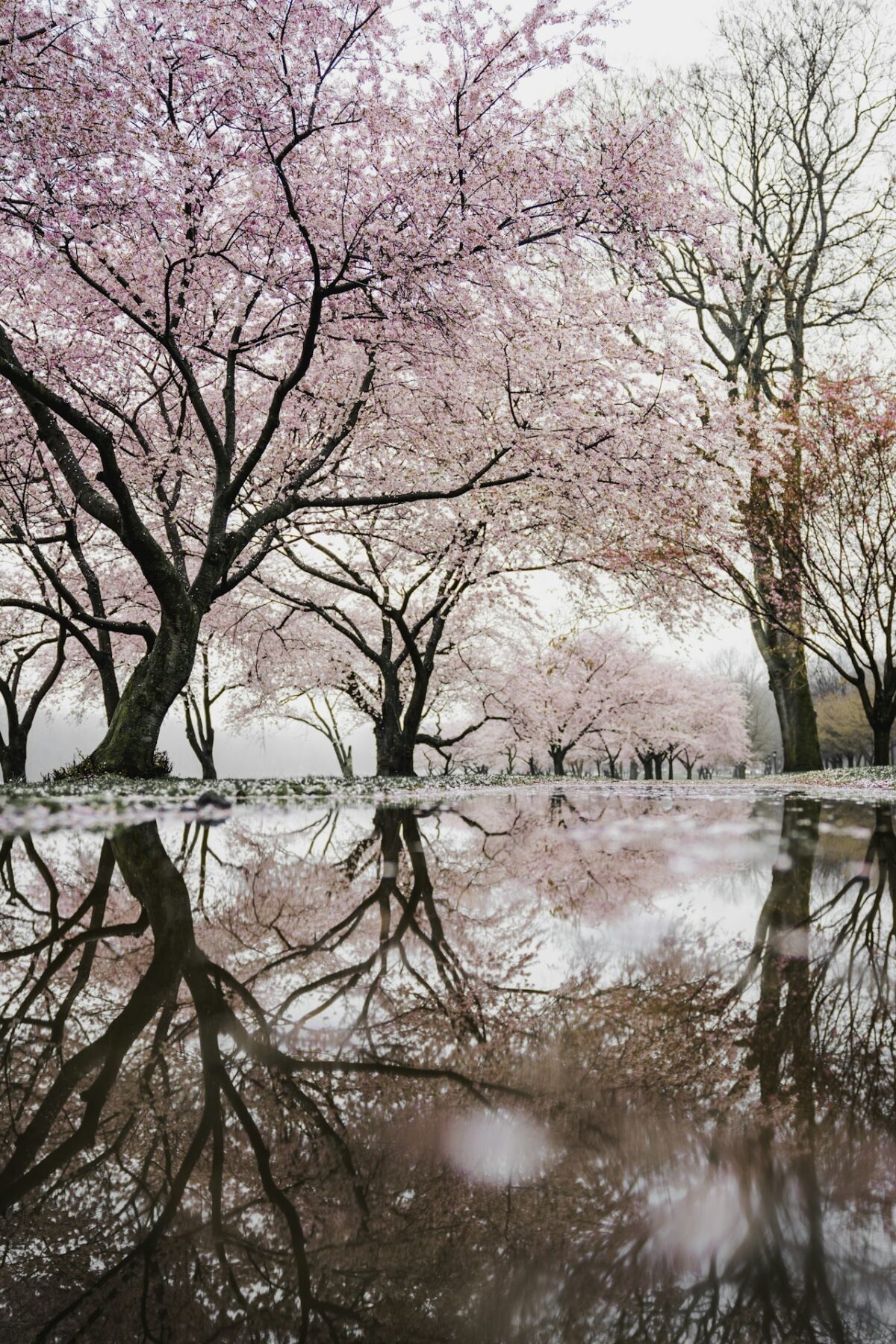
Spring is Japan’s most famous season, and for good reason. The cherry blossoms (sakura) typically bloom from late March into early April in Tokyo and Kyoto, a little earlier in the warm south and later in the north, filling parks and riverbanks with soft pink for a fleeting week or two. Locals celebrate with hanami — picnics beneath the blossoms — and the mood across the country is joyful. The weather is mild and comfortable, ideal for walking. Two things to bear in mind: sakura timing shifts a little each year, so allow some flexibility, and the Golden Week holiday at the end of April brings big domestic crowds. Hay-fever sufferers may also notice pollen in early spring.
Summer (June to August): Festivals, Heat, and the Rainy Season
Summer is lively but demanding. It opens with the rainy season (tsuyu) from around June to mid-July across most of the country — showery rather than washout, and the countryside is beautifully green — before giving way to real heat and humidity in July and August. What makes summer special is the calendar of festivals (matsuri) and spectacular fireworks displays (hanabi), along with long daylight hours. Keep in mind the Obon period in mid-August, when many Japanese travel home and transport is busy, and the chance of typhoons later in the season. If the heat concerns you, the mountains and the northern island of Hokkaido stay noticeably cooler and make a refreshing summer base.
Autumn (September to November): Autumn Leaves and Comfortable Days
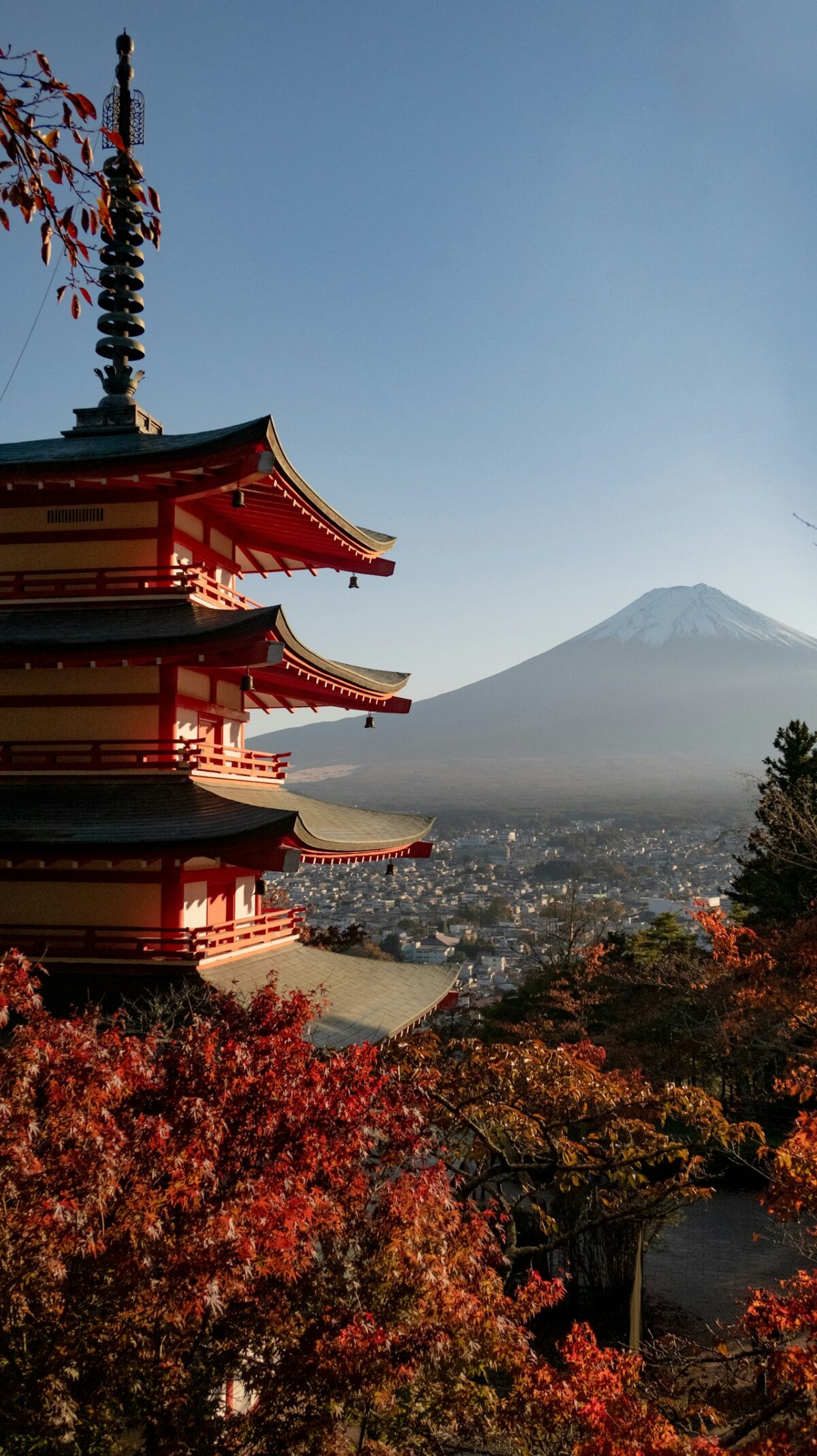
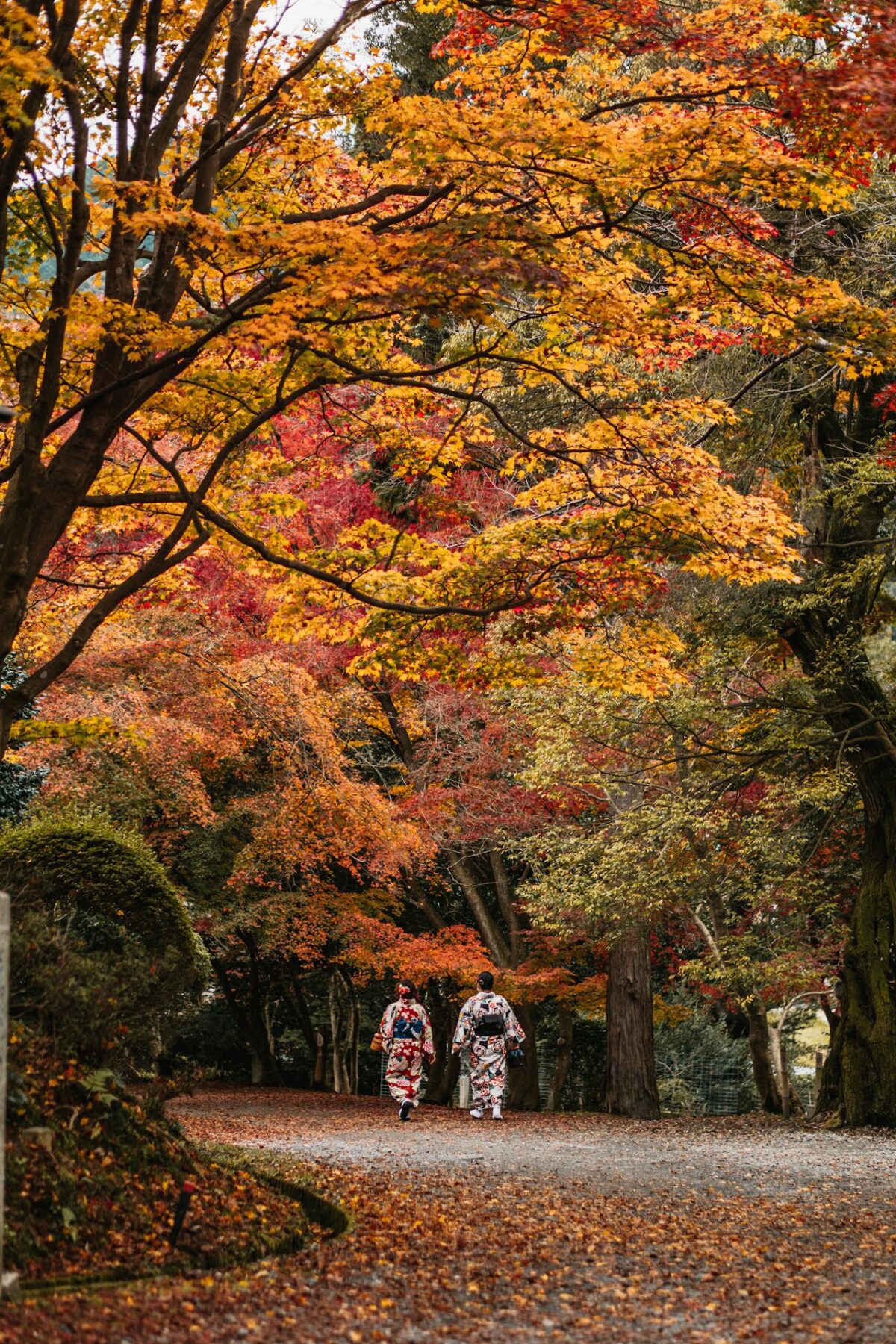
For many travellers, autumn is the sweet spot. After the summer heat fades, September to November brings clear skies, crisp comfortable days and some of the best walking weather of the year. The autumn foliage (kōyō) sweeps down the country from north to south and usually peaks around November in the famous spots of Kyoto and the mountains, turning temple gardens and hillsides brilliant red and gold. It’s every bit as beautiful as the cherry blossoms and, to many eyes, more dependable. Early autumn can still see the odd typhoon, but by mid-autumn the weather settles into a run of glorious days that are perfect for sightseeing.
Winter (December to February): Snow, Onsen, and Fewer Crowds
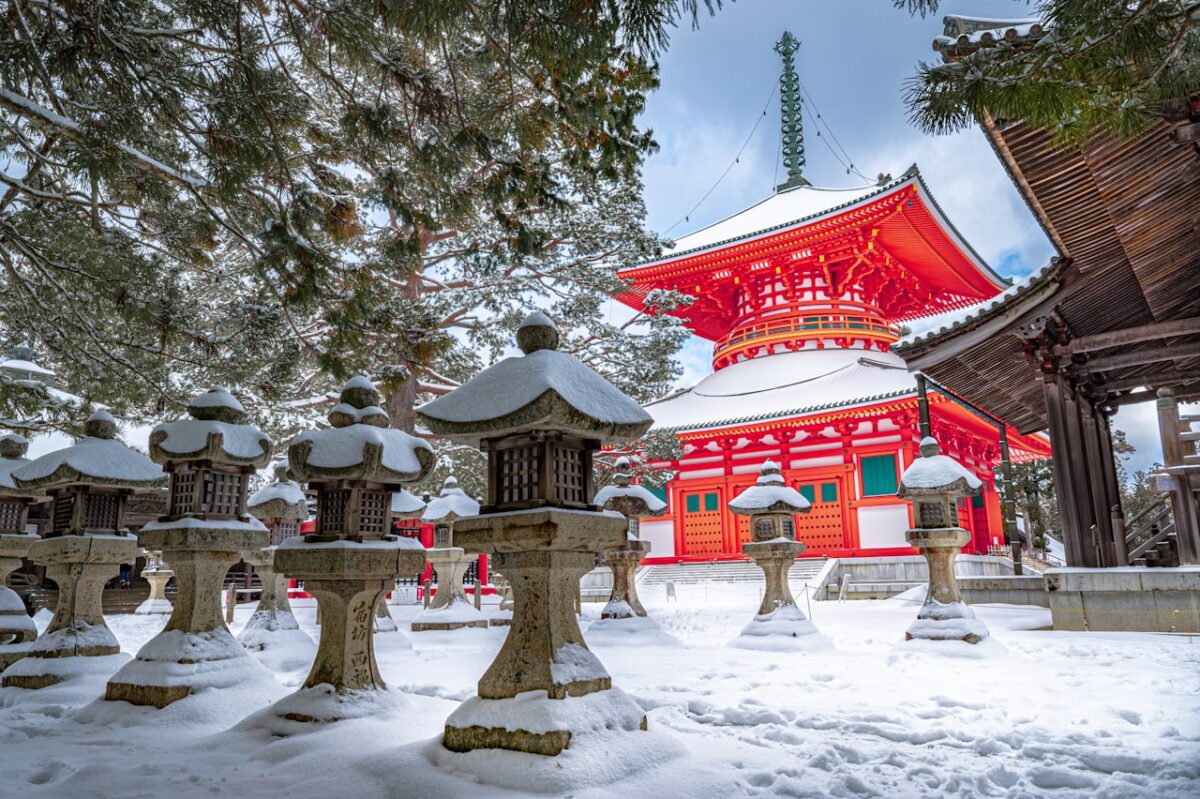
Winter is quietly one of the best-value times to visit. Tokyo and much of the Pacific coast stay dry and sunny with cold, clear days, while the north and the Japan Alps receive some of the world’s most reliable powder snow — a paradise for skiers and snowboarders. There’s no better season to soak in an outdoor hot spring (onsen) while snow falls around you; if that appeals, our onsen guide for first-timers explains exactly how. Cities glitter with winter illuminations, sightseeing spots are pleasantly uncrowded, and outside the New Year holiday, flights and hotels are often cheaper. Just pack warm layers for the cold.
Crowds, Costs, and Busy Periods
If you’d rather avoid the biggest crowds and prices, it helps to know Japan’s domestic holidays. Three periods see locals travelling in huge numbers, pushing up costs and filling trains: Golden Week (late April to early May), Obon (around mid-August) and the New Year holiday (late December to early January). The cherry-blossom and peak autumn-leaf weeks are also busy and pricey in the famous spots. The quieter, better-value windows tend to be early December, late January and February, and June before the school holidays. Travelling just outside a peak — a week after full bloom, say — often means the same beauty with a fraction of the crowds.
What to Pack by Season
A quick rule of thumb: spring and autumn call for layers and a light jacket for cool mornings and evenings, plus a compact umbrella. Summer means breathable clothing, a hat, sunscreen, a reusable water bottle and a small towel for the humidity — and a rain layer during the tsuyu weeks. Winter needs a warm coat, gloves and layers, with proper thermals and waterproof boots if you’re heading to snow country. Comfortable walking shoes are essential in every season, because you’ll cover far more ground on foot than you expect.
A couple of season-specific extras are worth squeezing into your case: for the intense summer heat and humidity, a portable neck fan (affiliate link) is a lifesaver, while for crisp winter days and early-morning temple visits a set of rechargeable hand warmers (affiliate link) keeps your fingers working.
So, When Should You Go?
If you’re chasing a particular image, the choice is easy: come in late March to early April for cherry blossoms, or in November for autumn leaves — accepting that these are the busiest, most beautiful weeks. If you want the most reliable weather with fewer crowds, autumn is hard to beat, closely followed by late spring. For skiing, onsen and lower prices, choose winter. And for festivals and a buzzing atmosphere — if you can handle the heat — summer delivers. There’s genuinely no wrong answer; there’s simply the season that fits your trip.
Cherry Blossom Timing, Region by Region
Because Japan stretches a long way from south to north, the cherry blossoms don’t arrive everywhere at once — they sweep up the country over roughly two months, which is wonderful news if you’re flexible. In the subtropical south the earliest blossoms appear in Okinawa as early as January and February. The famous cities of Fukuoka, Tokyo and Kyoto usually reach full bloom from late March into early April. Head north and the front arrives later: the Tohoku region tends to bloom in mid-to-late April, and Hokkaido often waits until late April or early May. If sakura is your dream, this means you can plan around your dates rather than gambling on a single week — and forecasts published each spring help you fine-tune the timing.
North and South: Very Different Japans
Japan’s length also means the country can feel like several destinations at once, and you can deliberately chase or escape a season. Hokkaido in the north enjoys cool, comfortable summers and long, snowy winters, making it a summer refuge and a winter-sports magnet. The subtropical islands of Okinawa, far to the south, stay warm most of the year and are lovely in spring and autumn when the mainland is busy. Between them, the Japan Alps offer cool highland air in summer and deep snow in winter. Understanding this spread lets you build a smarter trip: a July visitor melting in Tokyo can find relief in Hokkaido, while a winter traveller can combine sunny, dry Tokyo sightseeing with snow country a train ride away.
Events and Festivals Worth Timing Your Trip Around
Sometimes the best time to visit is whenever a particular event is on. The New Year period is a major cultural moment in itself, with shrine visits and a quieter, reflective mood. Spring brings the blossom season and its hanami picnics. Summer is the heart of festival season, with Kyoto’s famous Gion Matsuri in July and spectacular fireworks displays lighting up nights across the country. Autumn offers evening illuminations of the coloured leaves at temples and gardens. Winter dazzles with city light displays through December and, in early February, the celebrated Sapporo Snow Festival in Hokkaido, where huge snow and ice sculptures fill the streets. If one of these captures your imagination, it’s a perfect anchor for your dates — just book transport and accommodation early, as popular events draw crowds.
Booking Ahead in Peak Seasons
If your heart is set on the cherry-blossom or autumn-leaf weeks, or on travelling during a big holiday, the single most useful tip is to book early. Popular hotels in Kyoto and Tokyo fill months ahead for these windows, and reserved seats on the bullet train can sell out on the busiest days. Locking in your accommodation and any must-do experiences well in advance saves both money and stress, and leaves you free to be spontaneous with the rest of your days. If you’re travelling in a quieter season, you have far more flexibility and can often decide as you go — one more reason the shoulder months can be such a relaxed way to see the country. Costs shift with the seasons too: the blossom and peak autumn weeks are the priciest, the shoulder periods offer better value, and winter outside the New Year holidays tends to be the most affordable overall.
Where to Go in Each Season
Match your destinations to the time of year. In spring, castle parks and riverside promenades are magical under the blossoms. In summer, head north or up into the mountains for cooler air and green landscapes. Autumn rewards temple gardens and mountain valleys with fiery colour, while winter is the time for snow country, ski resorts, and long soaks in an outdoor hot spring. If you’d like help matching a route to the season, that’s exactly the kind of planning our team enjoys.
Conclusion
Japan rewards visitors all year round, and the “best” time is really the one that matches what you want to experience. Blossoms or autumn colour, festivals or fresh powder, crowds or quiet — decide what matters most, plan around the busy holiday periods, and pack for the season, and you’ll catch Japan at its finest for you.
Not sure how to build your trip around the season you’ve chosen — the right route, timing and places to be at their best? Our native Japanese team can shape the whole itinerary for you through Travel Planning, and if you’d like to pick up a few phrases before you go, Travel Japanese is a friendly place to start.
About Iroha Passport
Iroha Passport is a London-based Japanese language and travel service with over six years of experience. Our native Japanese team offers honest, practical guidance alongside Travel Planning and Travel Japanese. By Iroha Passport.
As an Amazon Associate, I earn from qualifying purchases.