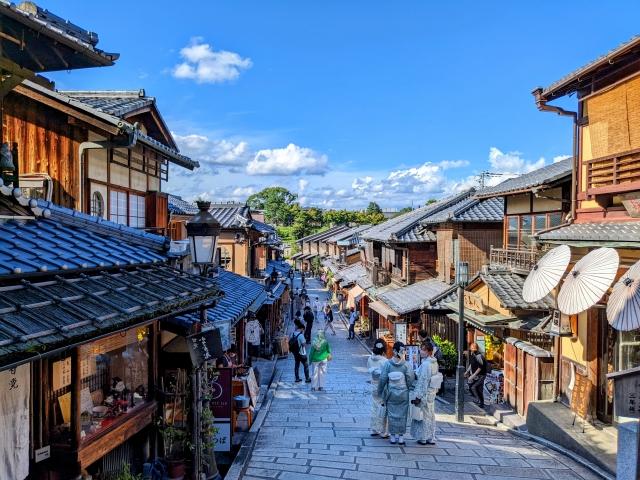
Japan is one of the world’s most popular travel destinations, drawing millions of visitors every year with its blend of tradition and modern life. Famous landmarks, delicious food, and beautiful scenery are often expected — but many first-time travellers are just as surprised by the small, everyday experiences they encounter.
From remarkably quiet trains to vending machines on almost every corner, Japan has customs and habits that can feel very different from those in the UK. Understanding a few of these cultural differences before you go can help you feel more confident and enjoy your trip even more.
Planning a trip to Japan and want to feel more prepared? Our 2-hour Japanese for Travel Session teaches practical Japanese for real travel situations — restaurants, shopping, transport, and everyday conversations. Book your session here.
1. Public Bins Are Hard to Find
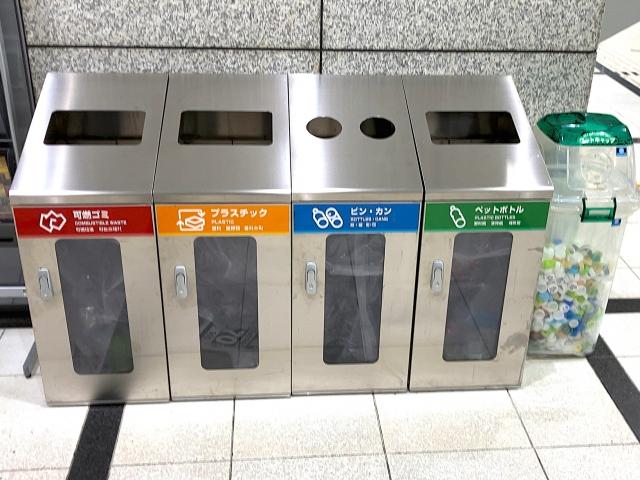
One of the first things many visitors notice is that public rubbish bins are far less common than expected. Despite this, Japanese streets are famously clean — many people simply carry their rubbish with them until they find an appropriate place to throw it away. Bringing a small plastic bag in your backpack makes sightseeing much easier. For the full picture, see our guide to Japan’s recycling and rubbish rules.
2. Convenience Stores Are Everywhere
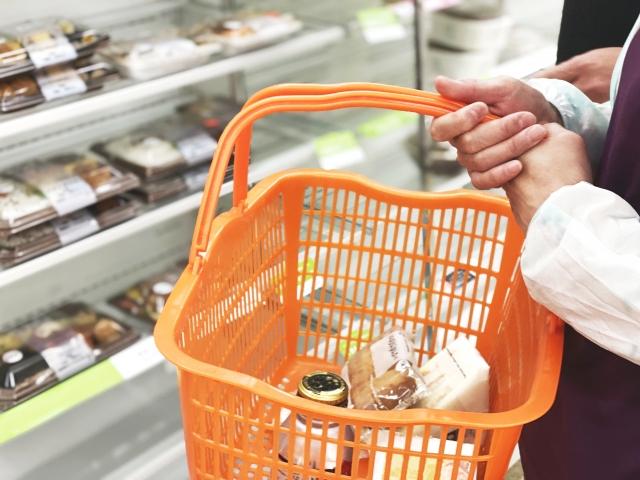
Convenience stores, known as konbini, are an essential part of daily life in Japan. You can buy far more than snacks and drinks: freshly prepared meals, desserts, coffee, toiletries, stationery, and seasonal products. Depending on the store, you may also withdraw cash from an ATM, print documents, or pay certain bills. Many travellers end up visiting several times a day. Our guide to Japanese convenience stores explains what you can do there.
3. Vending Machines Are Everywhere
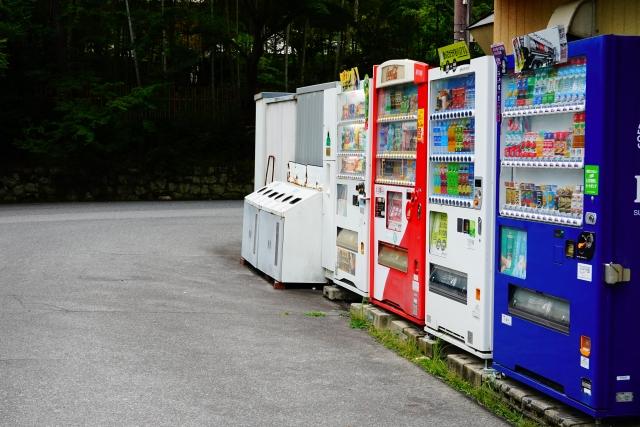
Japan is famous for its vending machines, and you’ll quickly see why. They line busy streets, sit outside train stations, and appear in residential neighbourhoods and even rural areas. Alongside water, tea, and soft drinks, many sell hot coffee and tea in the colder months, and some offer local specialities or fresh produce. Read more in our look at Japan’s vending machine culture.
4. Trains Are Quiet
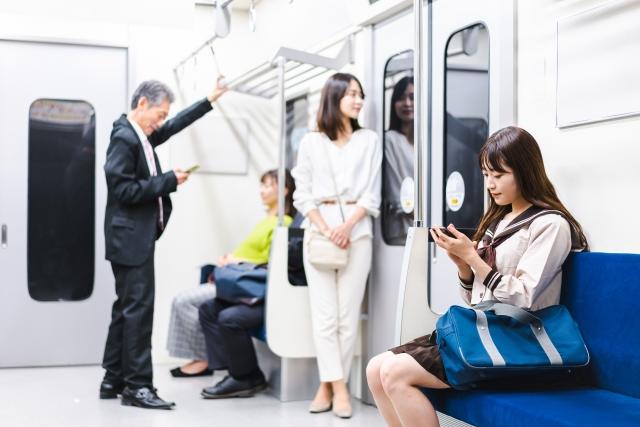
Many visitors are surprised by how quiet trains are in Japan. Even when crowded, passengers generally speak softly and avoid phone calls on board — instead reading, listening to music with headphones, or resting. Keeping your voice down is considered polite and helps create a comfortable environment for everyone. Even during rush hour, the calm atmosphere leaves a lasting impression.
5. Cash Is Still Useful
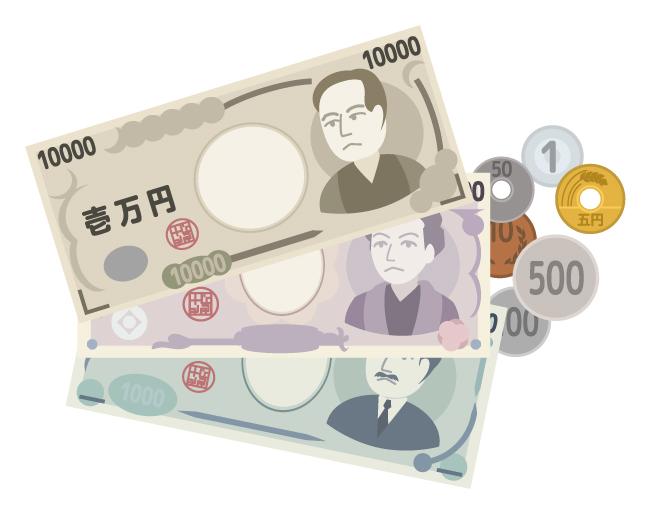
Although cashless payment is increasingly common, carrying some cash is still a good idea. Most hotels, department stores, and major attractions accept cards and mobile payments, but some smaller restaurants, local shops, temples, shrines, and market stalls may be cash-only. Many travellers keep both available. See our guide to how payments work in Japan.
6. Customer Service Is Exceptional

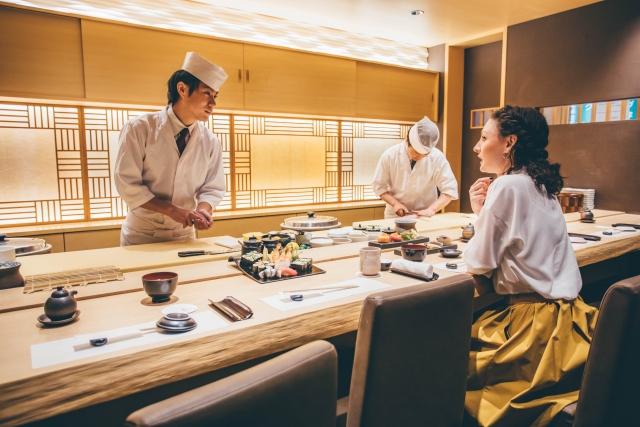
Visitors are often impressed by the level of customer service. Shop staff greet customers warmly, restaurants pay close attention to detail, and hotel staff are known for being polite and helpful. Even with a language barrier, staff will usually do their best to assist you. Small gestures — bowing, carefully wrapping purchases, thanking customers — are all part of everyday service.
7. Supermarkets Are Worth Visiting

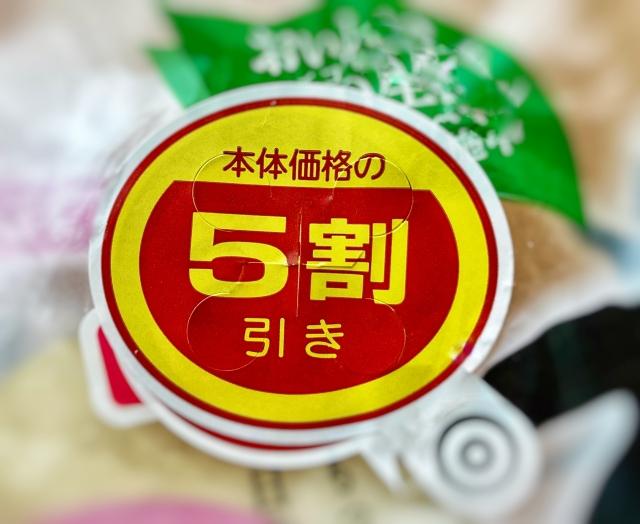
Many travellers focus on convenience stores, but supermarkets are just as interesting. They’re a great place to discover local foods, fresh fruit, ready-made meals, snacks, and regional products at reasonable prices. Visit in the evening and you may find discounted bento, sushi, and side dishes with special stickers. Our beginner’s guide to Japanese supermarkets has more.
8. Japanese Toilets Can Be Surprisingly High-Tech
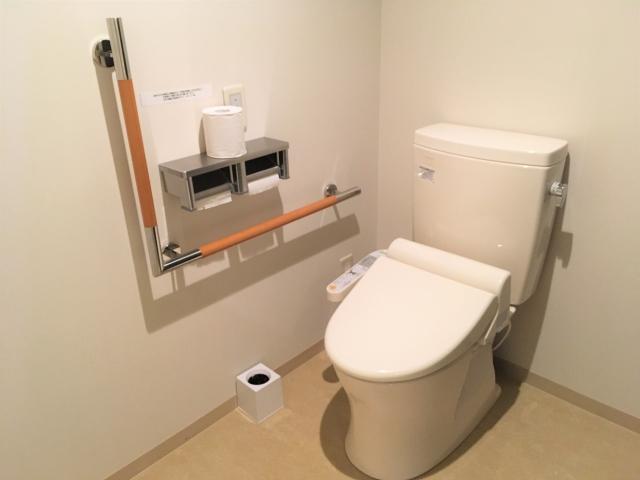
Japan is well known for clean public toilets, and many include heated seats, bidet functions, and adjustable water pressure. The array of buttons can seem confusing at first, but most visitors quickly get used to them. Public toilets in stations, shopping centres, and attractions are generally clean and well maintained.
9. Seasonal Products Are Everywhere
Japan celebrates each season, and you’ll notice it almost everywhere. Spring brings cherry-blossom-themed snacks and drinks; autumn features sweet potato, chestnut, and pumpkin flavours; winter offers festive treats; and summer has refreshing seasonal products. Cafés, restaurants, and convenience stores release limited-time menus all year, giving you something new to try each season.
10. Learning a Few Japanese Phrases Makes a Big Difference
You don’t need fluent Japanese to enjoy your trip. A few simple phrases — Arigatou gozaimasu (thank you), Sumimasen (excuse me), and Onegaishimasu (please) — make everyday interactions much smoother. Locals appreciate visitors who make the effort, and these small expressions often lead to friendlier, more enjoyable experiences.
Conclusion
Japan is full of small cultural differences that make travelling both exciting and memorable. Whether you’re amazed by the quiet trains, fascinated by the vending machines, or impressed by the service, these everyday experiences are part of what makes Japan special. Learn about these customs before you go — and pick up a few useful phrases — and you’ll feel more confident throughout your journey.
If you’d like to prepare, our Japanese for Travel Session helps you learn practical Japanese for real travel situations, so you can explore Japan with confidence. Book your session here.
About Iroha Passport
Iroha Passport is a London-based Japanese language service with over six years of experience helping learners and travellers. Our lessons are taught by native Japanese teachers who speak fluent English, both online and in person in London. We also offer short, focused Travel Japanese sessions for people preparing for a trip. By Iroha Passport.