By Iroha Passport — Japanese lessons & Japan travel planning, London
This article contains affiliate links. We may earn a small commission at no extra cost to you.
Most “Japanese phrases for travel” lists hand you a hundred sentences in one long dump, and honestly, you’ll forget 95 of them before you land at Narita. At Iroha Passport, our native Japanese teachers see exactly which phrases learners reach for when they’re actually standing at a ticket machine or trying to order a second beer, so we know which ones earn their place in your memory.
Instead of a flat vocabulary list, we’ve organised these phrases by the real situations you’ll meet on a trip: arriving, trains and IC cards, convenience stores, restaurants and izakaya, asking directions, ryokan and onsen etiquette, shopping and tax-free, and emergencies. For each one we give you a handful of useful phrases with romaji and a natural English meaning, plus a local tip on when to use it and how politely, because that part is where most travellers quietly go wrong.
You do not need to be fluent. Japan is very forgiving of visitors who try. A slightly clumsy phrase said with a smile lands far better than perfect silence. Let’s go situation by situation.
Why “japanese phrases for travel” is a situation, not a list
Here’s something English-language phrasebooks rarely tell you. In Japanese, which phrase is correct depends heavily on where you are and who you’re talking to, and the politeness level shifts with it. That’s why memorising a random 100-phrase list feels useless the moment you arrive. You can’t find the right one at the right time.
If you learn phrases attached to the moment you’ll need them, they stick. Your brain files “sumimasen” under “I need to get past someone on a crowded train” rather than under “phrase number 34.” That’s how Japanese speakers actually carry language around, and it’s how our teachers approach it too.
One word to learn first is sumimasen (sue-mee-mah-sen), probably the most useful word you’ll pick up. It means “excuse me,” “sorry,” and “thank you for the trouble” all at once. When in doubt, say sumimasen. You’ll use it fifty times a day.
Arriving: airport and first steps
You’ve landed. You’re tired, the signage is bilingual, and staff at the airport are used to visitors, so this is the gentlest place to start.
- Sumimasen (sue-mee-mah-sen) — “Excuse me.” Your opener for literally any question.
- Eigo o hanasemasu ka? (ay-go oh hah-nah-seh-mahs kah) — “Do you speak English?” A polite way to check before launching in.
- ___ wa doko desu ka? (wah doh-koh dess kah) — “Where is ___?” Drop in a word: toire (toilet), takushii (taxi), densha (train).
- Arigatou gozaimasu (ah-ree-gah-toh go-zai-mahs) — “Thank you (politely).” Use the full version with staff; the short “arigatou” is for friends.
A local tip: Start every request with sumimasen, then your question. Airport and station staff are professionals who will happily slow down and point. You don’t need full sentences: “Sumimasen, toire wa doko desu ka?” is perfect and polite.
Trains and IC cards: the phrases that save you
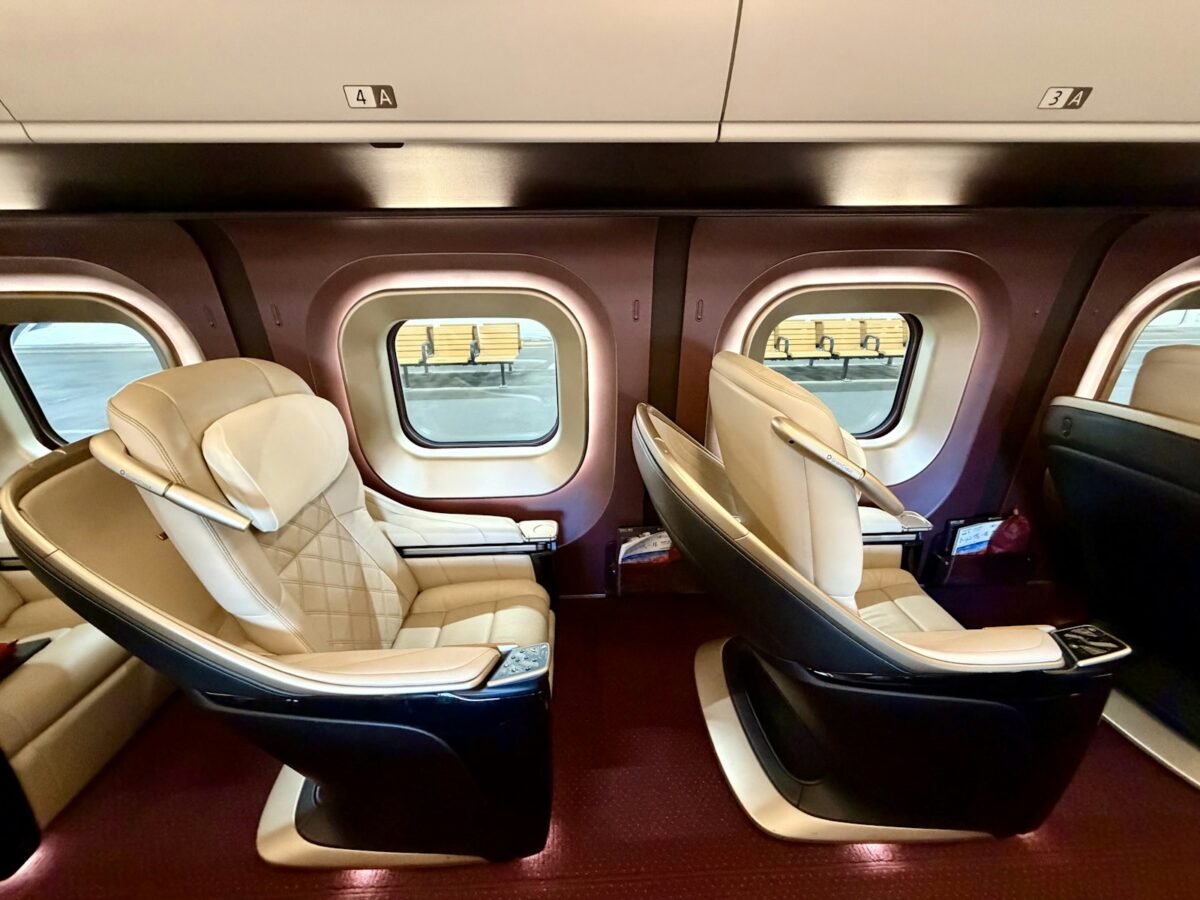
Japan’s rail network is glorious and occasionally bewildering. An IC card (Suica or PASMO, the tap-to-ride cards) removes most of the friction, so getting one is your first mission. If you have an iPhone you can add a Suica to Apple Wallet and skip the ticket queue. One catch for UK travellers: you can’t set this up before you fly — add and top up your Suica once you’re in Japan (the airport Wi-Fi is a handy moment for it), since pre-arrival setup is only offered from a handful of countries such as Korea, Taiwan, Malaysia, Singapore, Australia and Vietnam. When topping up, use a Mastercard or Amex where you can, as Visa is often declined for Suica top-ups through Apple Pay.
- Suica o kaitai desu (soo-ee-kah oh kai-tai dess) — “I’d like to buy a Suica.” Say it at a station window or use it to ask staff by a machine.
- Chaaji o onegaishimasu (chaa-ji oh oh-neh-gai-shee-mahs) — “Top-up, please.” Hand over cash at the machine or window when reloading.
- ___ ni ikitai desu (nee ee-kee-tai dess) — “I want to go to ___.” e.g. Shibuya ni ikitai desu.
- Kono densha wa ___ ni tomarimasu ka? (koh-noh den-shah wah ___ nee toh-mah-ree-mahs kah) — “Does this train stop at ___?” Crucial for rapid vs local trains.
- Nan-bansen desu ka? (nahn-bahn-sen dess kah) — “Which platform?”
A local tip: Onegaishimasu is your polite “please, I’d like this” — it’s softer and warmer than a bare request, and staff appreciate it. On the train itself, keep your voice low and don’t take phone calls; quietness is a genuine courtesy here, not just a rule on a poster.
Convenience stores: the phrases you’ll use every single day
The konbini (7-Eleven, Lawson, FamilyMart) is the traveller’s best friend: food, ATMs, tickets, clean toilets. The staff will fire a few set questions at you at the register, and knowing them removes all the panic.
- Fukuro wa irimasen (foo-koo-roh wah ee-ree-mah-sen) — “I don’t need a bag.” (Bags now cost a few yen.)
- Fukuro o onegaishimasu (foo-koo-roh oh oh-neh-gai-shee-mahs) — “A bag, please.”
- Kore o kudasai (koh-reh oh koo-dah-sai) — “This one, please.” Point and say it. Works everywhere.
- Kaado de (kaa-doh deh) — “By card.” Or genkin de (gen-kin deh) — “By cash.”
A local tip: When the clerk asks atatamemasu ka? (heat it up?), most travellers freeze. Just smile and say hai onegaishimasu (yes please) or daijoubu desu (I’m okay, meaning no thanks). Daijoubu desu is a wonderfully soft way to decline anything without being blunt.
Restaurants and izakaya: ordering with confidence
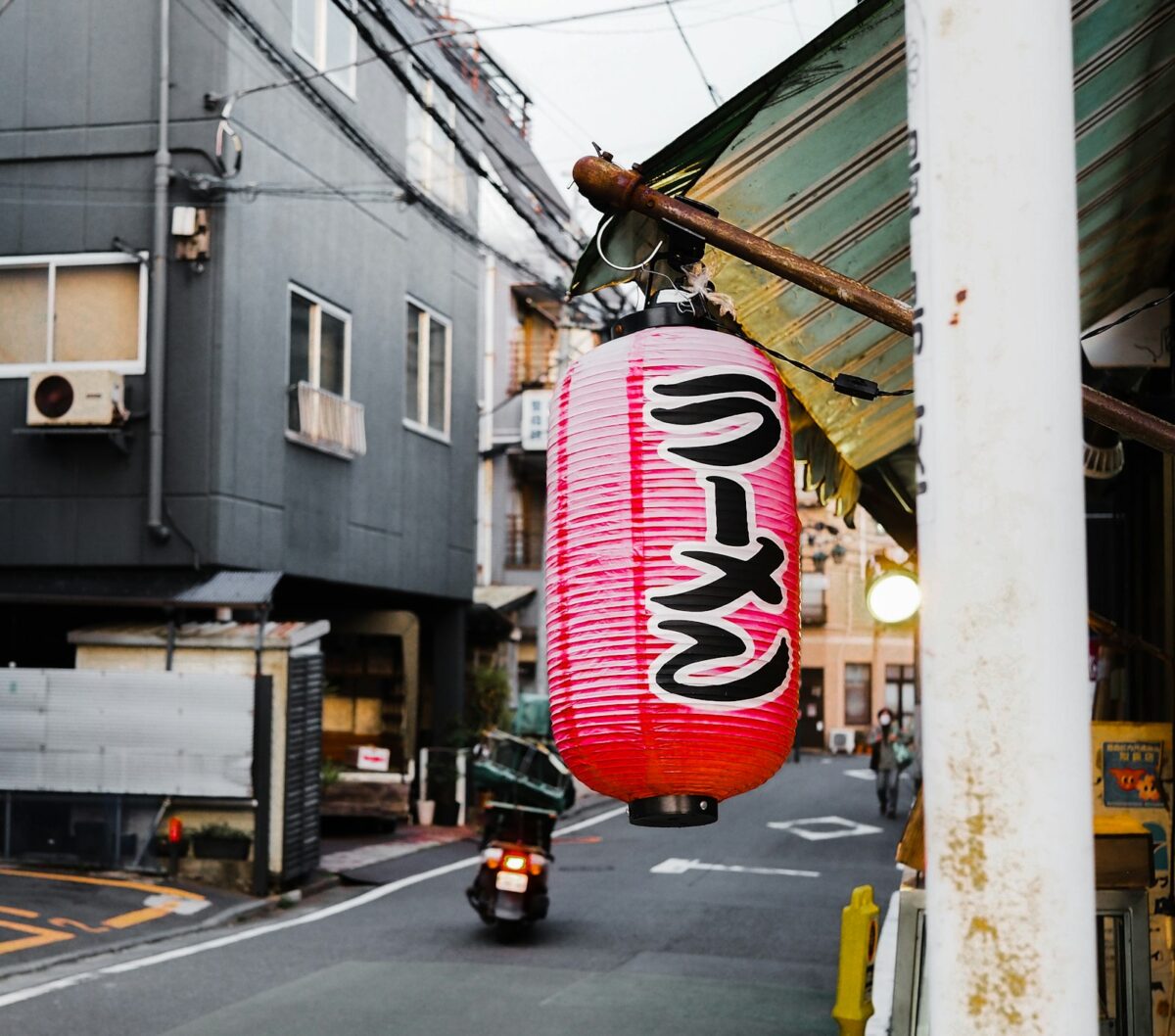
Eating out is the highlight of any Japan trip, and a few phrases turn you from a nervous pointer into a welcome guest. Izakaya (Japanese pubs) especially reward a bit of effort.
- Sumimasen! — “Excuse me!” This is literally how you call a server over. Say it clearly; it’s expected, not rude.
- Menyuu o onegaishimasu (men-yoo oh oh-neh-gai-shee-mahs) — “Menu, please.”
- Kore o kudasai (koh-reh oh koo-dah-sai) — “This, please.” Point at the menu or a photo.
- Osusume wa nan desu ka? (oh-soo-soo-meh wah nahn dess kah) — “What do you recommend?” Locals love being asked this.
- Nama biiru o kudasai (nah-mah bee-roo oh koo-dah-sai) — “A draft beer, please.”
- Okaikei o onegaishimasu (oh-kai-kay oh oh-neh-gai-shee-mahs) — “The bill, please.” Or make a small “X” with your fingers.
And two you say without thinking, like a local:
- Itadakimasu (ee-tah-dah-kee-mahs) — said quietly before you eat, roughly “thank you for this food.”
- Gochisousama deshita (go-chee-soh-sah-mah desh-tah) — said on leaving, “that was a feast, thank you.” Say this to the staff on your way out and watch their faces light up.
A local tip: There is no tipping in Japan, so please don’t try, it can cause confusion. Saying gochisousama deshita as you leave is the real “tip”. It’s the culturally correct thank-you, and it costs nothing. Also, slurping ramen is completely fine and even encouraged.
Asking for directions: getting unstuck politely
Even with maps on your phone, you’ll sometimes need a human. The Japanese are famously helpful to lost visitors — often walking you part of the way.
- Sumimasen, michi ni mayoimashita (mee-chee nee mah-yoy-mahsh-tah) — “Excuse me, I’m lost.”
- ___ wa doko desu ka? (wah doh-koh dess kah) — “Where is ___?”
- Massugu desu ka? (mahs-soo-goo dess kah) — “Is it straight ahead?”
- Chikai desu ka? (chee-kai dess kah) — “Is it close?”
- Arigatou gozaimasu — always close with a proper thank-you.
A local tip: If someone goes out of their way to help you, a small bow of the head with your thank-you is the natural finishing touch. You don’t need a deep formal bow — a gentle nod communicates real gratitude and feels completely natural.
Ryokan and onsen: etiquette phrases that show respect
A ryokan (traditional inn) with an onsen (hot spring bath) is many travellers’ favourite night in Japan. A little language here signals real respect and makes your host warm to you instantly.
- Osewa ni narimasu (oh-seh-wah nee nah-ree-mahs) — “Thank you for having me / for looking after me.” Say it on arrival; it’s the classic guest greeting.
- Ofuro wa doko desu ka? (oh-foo-roh wah doh-koh dess kah) — “Where is the bath?”
- Nanji made desu ka? (nahn-jee mah-deh dess kah) — “Until what time (is it open)?” Useful for baths and breakfast.
- Oishikatta desu (oy-shee-kah-tah dess) — “It was delicious.” Say it after the kaiseki dinner.
A local tip: The one etiquette rule that really matters at an onsen: you wash and rinse fully at the little shower stations before getting into the shared bath, and no swimwear — the bath is for soaking clean. If you have a tattoo, check in advance, as some onsen still restrict them; asking politely at reception, “Tattoo wa daijoubu desu ka?” (“Are tattoos okay?”), is completely acceptable.
Shopping and tax-free: getting the discount right
Japan offers tax-free shopping to tourists at many stores, and the phrases below make it smooth.
- Menzei wa dekimasu ka? (men-zay wah deh-kee-mahs kah) — “Can I get tax-free?” Ask before paying; you’ll need your passport.
- Kore wa ikura desu ka? (koh-reh wah ee-koo-rah dess kah) — “How much is this?”
- Kaado wa tsukaemasu ka? (kaa-doh wah tsoo-kai-mahs kah) — “Can I use a card?”
- Miteiru dake desu (mee-teh-roo dah-keh dess) — “I’m just looking.” A polite way to browse without pressure.
A local tip: Tax-free usually requires a minimum spend and your physical passport, so carry it if you plan a big shopping day. Miteiru dake desu said with a smile lets a keen shop assistant know you’re happy browsing, with no awkwardness on either side.
Emergencies: the phrases we hope you never need
Japan is very safe, but it’s worth knowing these, and knowing you can always find help.
- Tasukete! (tahs-keh-teh) — “Help!”
- Byouin wa doko desu ka? (byoh-een wah doh-koh dess kah) — “Where is the hospital?”
- Keisatsu o yonde kudasai (kay-sah-tsoo oh yon-deh koo-dah-sai) — “Please call the police.”
- Kibun ga warui desu (kee-boon gah wah-roo-ee dess) — “I feel unwell.”
- Useful numbers: 110 for police, 119 for fire and ambulance.
A local tip: If you’re ever truly stuck, head to a koban, the small neighbourhood police boxes you’ll see near stations. The officers help with everything from lost wallets to directions, and it’s exactly what they’re there for.
Your free Japan travel guides: take the phrases with you
Reading phrases is one thing; having them in your pocket at the exact moment you need them is another. We’ve put together our free Tokyo, Kyoto and Japan survival guide PDFs you can keep on your phone, including a printable version of these situation-by-situation phrases, so you’re never scrambling at the ticket machine.
Download our free Tokyo, Kyoto & Japan survival guides — enter your email on the sign-up page and we’ll send all three straight to your inbox.
We built this to be the guide we wish every visitor had: practical and first-hand, with none of the stuff you’ll never use. It draws on the same real-world know-how our native Japanese teachers bring to every lesson.
If you like having something physical to flick through when your phone’s tucked away, a pocket phrasebook such as the Lonely Planet Japanese Phrasebook & Dictionary (affiliate link) is a handy back-up for the moments a screen can’t quite help with.
Want to go a step further? Travel Japanese lessons
The phrases above will carry you through a trip beautifully. But if you’d like to actually feel confident enough to catch what the izakaya server says back, or handle a ryokan check-in without your notes, a little guided practice goes a long way.
Iroha Passport’s Travel Japanese / Private Lessons are one-to-one, led in clear English by native Japanese teachers, and shaped entirely around your trip: your itinerary, your situations, your pace. You can try a trial lesson for £24, and we’ll drill exactly the phrases you’ll use, with the pronunciation and politeness levels that make locals smile. It’s the difference between reciting a phrase and genuinely communicating.
FAQ
The section below is written as normal Q&A content and will be rendered on the site as an accordion widget.
Do I really need to speak Japanese to travel in Japan?
No. Major cities have plenty of English signage and helpful staff. But a handful of phrases (starting with sumimasen and arigatou gozaimasu) transforms how you’re treated. Locals really do warm to visitors who try, even a little.
Is romaji enough, or should I learn to read Japanese?
For a trip, romaji and the phrases in this guide are plenty. Learning to read hiragana is a lovely bonus that helps with menus, but it’s optional. We cover whether to prep the language before you go in our article on learning Japanese before travelling (linked below).
How polite do I need to be?
The phrases here use polite everyday forms that are perfect for travellers and safe in any situation. You won’t accidentally offend anyone. When unsure, sumimasen and a smile smooth over almost anything.
What if I mispronounce something?
Don’t worry at all. Japanese people are used to visitors and are remarkably patient. The romaji spellings above are close enough to be understood. Effort matters far more than perfection.
Should I tip if service is great?
No. Tipping isn’t part of Japanese culture and can cause confusion. Instead, say gochisousama deshita when leaving a restaurant. That’s the real thank-you.
Take the next step
→ Grab your free Tokyo, Kyoto & Japan survival guides and keep these phrases in your pocket for the trip.
→ Ready to sound confident, not just prepared? Try a Travel Japanese trial lesson for £24 — one-to-one, in plain English with native Japanese teachers, built around your itinerary.
Related reading
- Should You Learn Japanese Before Travelling to Japan? — if you’re weighing up how much to prepare before your trip, start here.
About Iroha Passport
This guide is by Iroha Passport, a London-based Japanese lessons and Japan travel service. We’ve been helping learners and travellers in the UK for over six years (previously known as SakuraJapan), so we’re an established name rather than a brand-new one. Our native Japanese teachers, based in London, teach in fluent English, online and in person, with lessons built around your goal (JLPT, travel, anime or business) and clear, published pricing. Our native Japanese team also plans first-hand Japan itineraries for UK travellers, priced in pounds. Iroha Passport is rated ★4.6 on Google (based on 11 Google reviews).
As an Amazon Associate, I earn from qualifying purchases.