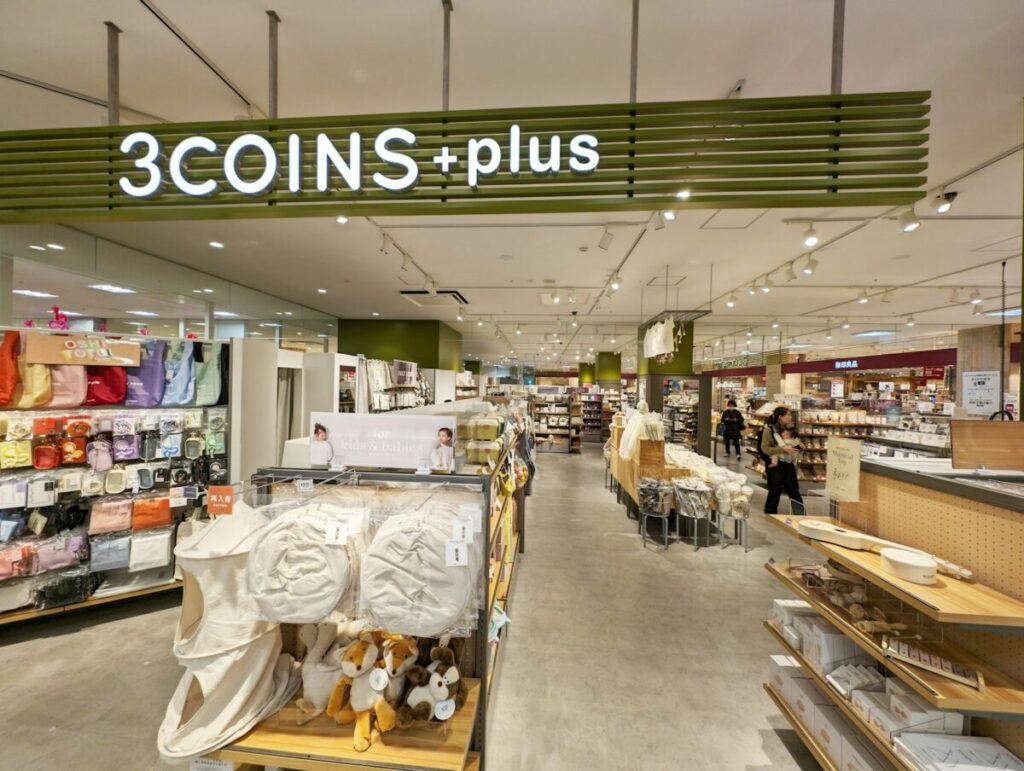
When planning a trip to Japan, you might already have shopping destinations such as department stores, electronics shops and traditional souvenir markets on your list.
But there is another type of shop worth exploring: the Japanese 100-yen shop.
These stores sell an enormous variety of everyday products, from stationery and kitchen accessories to travel essentials, household items and small souvenirs.
For travellers, they can be useful places to pick up something you forgot to pack, find inexpensive gifts or simply explore the practical and creative products available in Japan.
Popular chains include Daiso, Seria and Can Do, although their products and shop layouts can vary considerably.
Despite the name, not everything in a 100-yen shop costs exactly ¥100. Understanding the pricing system and knowing what to look for can make shopping easier.
If you would like to feel more confident asking questions and shopping during your trip, Iroha Passport’s Travel Japanese lessons introduce useful Japanese for everyday travel situations.
Here is what you should know before visiting a Japanese 100-yen shop.
1. What Is a 100-Yen Shop?
A 100-yen shop is a type of variety store in Japan that sells a wide selection of affordable everyday products.
Traditionally, many items were priced at ¥100 before tax.
Japan’s standard consumption tax is 10%, so a product priced at ¥100 before tax generally costs ¥110 including tax.
However, the name can be slightly misleading.
Many 100-yen shops also sell products at higher prices, such as ¥200, ¥300 or ¥500 before tax, and sometimes more. These products may be larger, made from different materials or offer additional features.
Prices are normally displayed on product labels or shelf signs. If an item does not have an individual price label, check the shop’s pricing information rather than assuming that every item costs the same.
For travellers, 100-yen shops can be an affordable way to buy useful products without visiting several different specialist stores.
2. Popular 100-Yen Shop Chains in Japan
There are several well-known 100-yen shop chains in Japan. Three names you are likely to encounter are Daiso, Seria and Can Do.
Daiso (ダイソー)
Daiso is one of Japan’s best-known variety store chains, with shops in many parts of the country. Its product range can include stationery, storage solutions, kitchenware, cleaning products, craft materials, travel accessories and seasonal items. Larger branches may have particularly extensive selections, making them useful places to browse if you are looking for several different types of products.
Seria (セリア)
Seria is another popular 100-yen shop chain. It is often associated with attractively designed household accessories, stationery, craft materials and decorative items. Travellers interested in small gifts, simple home accessories or Japanese stationery may enjoy browsing its shelves.
Can Do (キャンドゥ)
Can Do also offers a broad selection of everyday products. Depending on the branch, you may find stationery, kitchen accessories, storage items, seasonal decorations and practical household goods.
Each chain has its own product selection, and availability can differ considerably between branches. Rather than expecting every shop to carry the same items, it can be more enjoyable to explore what each location offers.
3. Best Things to Buy at Japanese 100-Yen Shops
One of the main attractions of Japanese 100-yen shops is the variety of products available. Here are some categories worth exploring.
Best things to buy at a glance
| What | What you may find | Worth knowing |
|---|---|---|
| Stationery | Notebooks, pens, sticky notes, stickers, folders, decorative tape | Light and easy to pack as small gifts. |
| Kitchen accessories | Chopsticks, small bowls, kitchen tools, food containers | Check materials and instructions, especially for hot food or the microwave. |
| Storage and organisation | Small boxes, pouches, organisers, cable holders | Useful on the trip and at home. Selection varies. |
| Decorative items and small gifts | Japanese-inspired designs, seasonal decorations, craft supplies | Check the label if the country of manufacture matters to you. |
| Snacks and sweets | Packaged snacks, sweets and drinks | Food sections vary. Check the expiry date and ingredients. |
| Travel items | Packing pouches, laundry bags, toiletry organisers, reusable bags, rain ponchos | Quality and suitability vary. Check durability and safety. |
| Electrical accessories | Check the specifications carefully | Japan and the UK use different electrical systems and plug types. |
Japanese Stationery
If you enjoy stationery, 100-yen shops can be particularly interesting. You may find notebooks, pens, sticky notes, stickers, folders, decorative tape and other small accessories. Some products feature Japanese characters, seasonal designs or illustrations that make them appealing as souvenirs.
Kitchen Accessories
Many stores sell chopsticks, small bowls, kitchen tools, food containers and other practical accessories. These can be useful if you are staying in self-catering accommodation or looking for small gifts to take home. Check the materials and product instructions, especially if you plan to use an item with hot food or in a microwave.
Storage and Organisation
Small storage boxes, pouches, organisers and cable holders can be useful both during your trip and after returning home. Japanese variety stores often carry products designed for organising small spaces, although the exact selection varies.
Decorative Items and Small Gifts
Depending on the store, you may find Japanese-inspired designs, seasonal decorations, craft supplies and other small items suitable for gifts. These can be good options if you want something inexpensive and easy to carry.
Snacks and Sweets
Some 100-yen shops also sell packaged snacks, sweets and drinks. Food selections vary, and not every branch has a large food section. Check the expiry date and ingredients before purchasing, particularly if you have dietary restrictions.
4. Useful Travel Items You Can Find
A 100-yen shop can be particularly helpful when you need something practical during your trip. For example, you may be able to find:
- Packing pouches and storage bags
- Laundry bags and washing accessories
- Small organisers for toiletries
- Cable holders and travel accessories
- Reusable shopping bags
- Rain ponchos or other simple rain accessories
These items can help keep your suitcase organised, particularly if you are travelling between several cities. Packing bags and pouches may also be useful for separating clean and worn clothing or organising small belongings.
However, product quality and suitability vary. For items where durability or safety is particularly important, check the product carefully rather than choosing something based on price alone.
5. Japanese Souvenirs on a Budget
Souvenir shopping in Japan does not have to be expensive. While department stores and traditional souvenir shops offer many beautiful products, 100-yen shops can be useful for finding small, affordable gifts.
Depending on the store, you might find chopsticks, stationery, stickers, small decorative items or products featuring Japanese-inspired patterns. These can be particularly convenient if you want to bring home several small gifts for friends, colleagues or family.
Stationery is often an easy option because it is lightweight and does not take up much suitcase space. Small kitchen accessories and decorative items may also make interesting gifts.
However, not every item sold in a Japanese 100-yen shop is necessarily made in Japan. If the country of manufacture matters to you, check the product label before buying.
6. Seasonal and Limited-Edition Products
Seasonal products are another reason to visit Japanese 100-yen shops. Depending on the time of year, you may find decorations, stationery, gift-wrapping supplies and household accessories inspired by seasonal events.
For example, spring may bring sakura-themed designs, while summer can feature festival decorations or practical products for warmer weather. Autumn may introduce seasonal colours and decorative items, while winter often brings Christmas and New Year products.
The selection changes throughout the year and differs between shops. This makes browsing a 100-yen shop an easy way to notice seasonal trends in everyday Japanese retail culture.
7. How to Shop at a 100-Yen Store
Shopping at a Japanese 100-yen store is usually straightforward, even if you do not speak much Japanese.
First, browse the shelves and select the products you want. Before heading to the till, check whether any items have prices higher than the standard ¥100 before tax.
Some shops use traditional staffed tills, while others have self-service checkout machines. Payment options vary by chain and branch. Some stores accept cards or electronic payments, while others may have more limited options. It is sensible to carry some cash, particularly if you are unsure which payment methods a shop accepts.
You may also be asked whether you need a shopping bag. Bags may cost extra, so bringing a reusable bag can be convenient.
If you are using a self-service till and are unsure what to do, look for an English-language option if one is available or ask a member of staff for assistance.
8. Things to Check Before Buying
Although 100-yen shops are convenient, there are a few things worth checking before purchasing.
Not Everything Costs ¥100
Always check the price, especially for larger products or items with special features. Remember that the final price may include consumption tax.
Check Materials and Instructions
For kitchen accessories, food containers and other practical items, check whether they are suitable for your intended use. Not every container is microwave-safe, and not every product is suitable for high temperatures.
Be Careful with Electrical Products
If you purchase electrical accessories, check the specifications carefully. Japan and the UK have different electrical systems and plug types, so some products may not be suitable for use back home.
Check Food and Cosmetic Labels
If you are buying food or cosmetics, pay attention to ingredients, allergens, expiry dates and instructions. Do not assume that a product is suitable for you simply because it is inexpensive or widely available.
Think About Your Luggage
If you are flying back to the UK, consider airline baggage restrictions, particularly for liquids, sharp objects and fragile items. For certain food, plant or animal products, UK import rules may also apply. Checking these details before buying can help you avoid problems later.
9. Useful Japanese for Shopping at 100-Yen Stores
A few Japanese expressions can make shopping easier, especially if you need help finding a product or checking a price.
100円ショップ
Hyaku-en shoppu
100-yen shop
これはいくらですか?
Kore wa ikura desu ka?
How much is this?
これは100円ですか?
Kore wa hyaku-en desu ka?
Is this 100 yen?
袋をお願いします。
Fukuro o onegaishimasu.
A bag, please.
カードは使えますか?
Kaado wa tsukaemasu ka?
Can I pay by card?
これを探しています。
Kore o sagashite imasu.
I’m looking for this.
You can also show a photograph of the item you are looking for and use the final phrase to ask a member of staff for help.
Even a small amount of Japanese can make everyday shopping more convenient.
Conclusion
Japan’s 100-yen shops offer much more than inexpensive everyday essentials. They are places where travellers can discover useful accessories, creative stationery, practical travel products, seasonal goods and affordable souvenirs.
Whether you visit Daiso, Seria, Can Do or another variety store, browsing the shelves can give you a small glimpse into everyday shopping culture in Japan.
Just remember that not everything costs exactly ¥100, and it is worth checking prices, product information and any restrictions before buying.
If you have some free time during your trip, consider visiting a local 100-yen shop. You might find something useful, something unexpected or a small souvenir that reminds you of Japan.
And if you would like to feel more confident shopping, asking questions and communicating during your trip, explore Iroha Passport’s Travel Japanese lessons. For more personalised language learning, you can also discover our Private Japanese Lessons.
Planning the rest of the trip around your shopping?
A free PDF guide to planning a trip to Japan, from a team of native Japanese speakers based in the UK. It is free and there is no sign-up beyond your email.