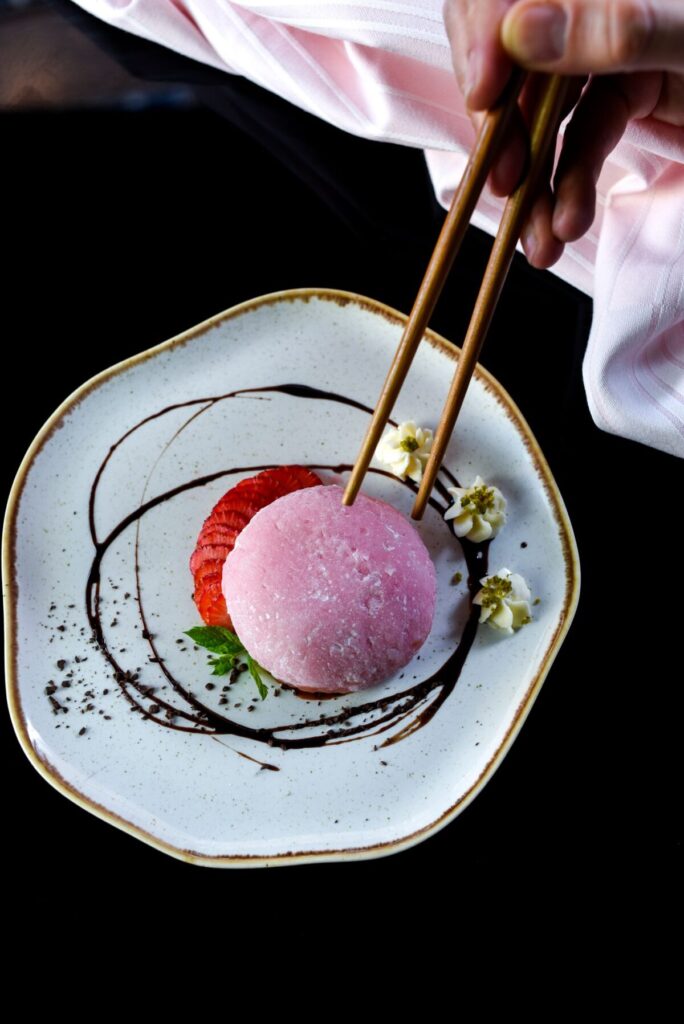
Introduction
If you visit Japan, there is one Japanese word you may start noticing everywhere: 限定 (gentei), meaning “limited”.
Walk into a convenience store or supermarket and you might find a new seasonal flavour. Visit a café and there may be a drink available for only a few weeks. At a train station or souvenir shop, you might discover snacks that are sold only in that particular region.
In Japan, limited-edition products can be found in many parts of everyday life, especially in food, drinks, sweets, souvenirs, and café menus. What is available can change depending on the season, location, and even the timing of your trip.
For travellers, this makes shopping and eating in Japan particularly interesting. Even a quick visit to a convenience store can become an opportunity to discover something you may not find on your next trip.
So why are there so many limited-edition products in Japan? The answer is connected to seasonal ingredients and events, regional specialities, changing consumer interests, and the appeal of enjoying something that is available only for a short time.
Learning a few related Japanese words can also make these products easier to spot. If you would like to prepare for everyday situations such as shopping, ordering food, and asking questions during your trip, Iroha Passport’s Travel Japanese lessons focus on practical Japanese you can use while travelling.
1. What Does “Kikan Gentei” Mean?
One of the most useful expressions to recognise when travelling in Japan is:
期間限定
Kikan gentei
Limited time only
You may see 期間限定 on product packaging, advertisements, restaurant and café menus, or signs in shops.
However, not every 限定 (gentei) product is limited in the same way.
季節限定
Kisetsu gentei
Seasonal / Available for a limited season
数量限定
Suuryou gentei
Limited quantity
地域限定
Chiiki gentei
Limited to a particular region
Even if you cannot read much Japanese, recognising the characters 限定 can be surprisingly useful.
When you see them while shopping, take a closer look. The product may only be available for a certain period, in a limited quantity, or in a particular part of Japan.
2. Why Are Seasonal Products So Common in Japan?
Seasonal changes are reflected in many aspects of life in Japan, from food and flowers to festivals, decorations, and traditional events.
Food is one of the easiest places for travellers to notice this.
Certain ingredients are associated with particular times of year, while annual events and seasonal imagery also influence what appears in shops and restaurants.
As the seasons change, convenience stores may introduce new sweets and drinks, cafés may change parts of their menus, and department stores may display foods and gifts that reflect the time of year.
Of course, enjoying seasonal food is not unique to Japan. Many countries have foods and traditions associated with different seasons.
What travellers may notice in Japan, however, is how visibly seasonality can appear in everyday retail culture. You do not necessarily need to visit a traditional restaurant or attend a cultural event to experience it. Sometimes, simply looking at a supermarket shelf or café menu is enough. Our beginner’s guide to Japanese supermarkets is a good place to start.
Limited-edition products also create excitement around something that will not be available forever. If a favourite flavour disappears at the end of the season, another new product may soon take its place.
For travellers, that constant change means the products you encounter can become part of the memory of when you visited Japan.
3. Spring: Sakura and Strawberry Products
Spring is one of the most visually distinctive seasons for limited-edition products in Japan.
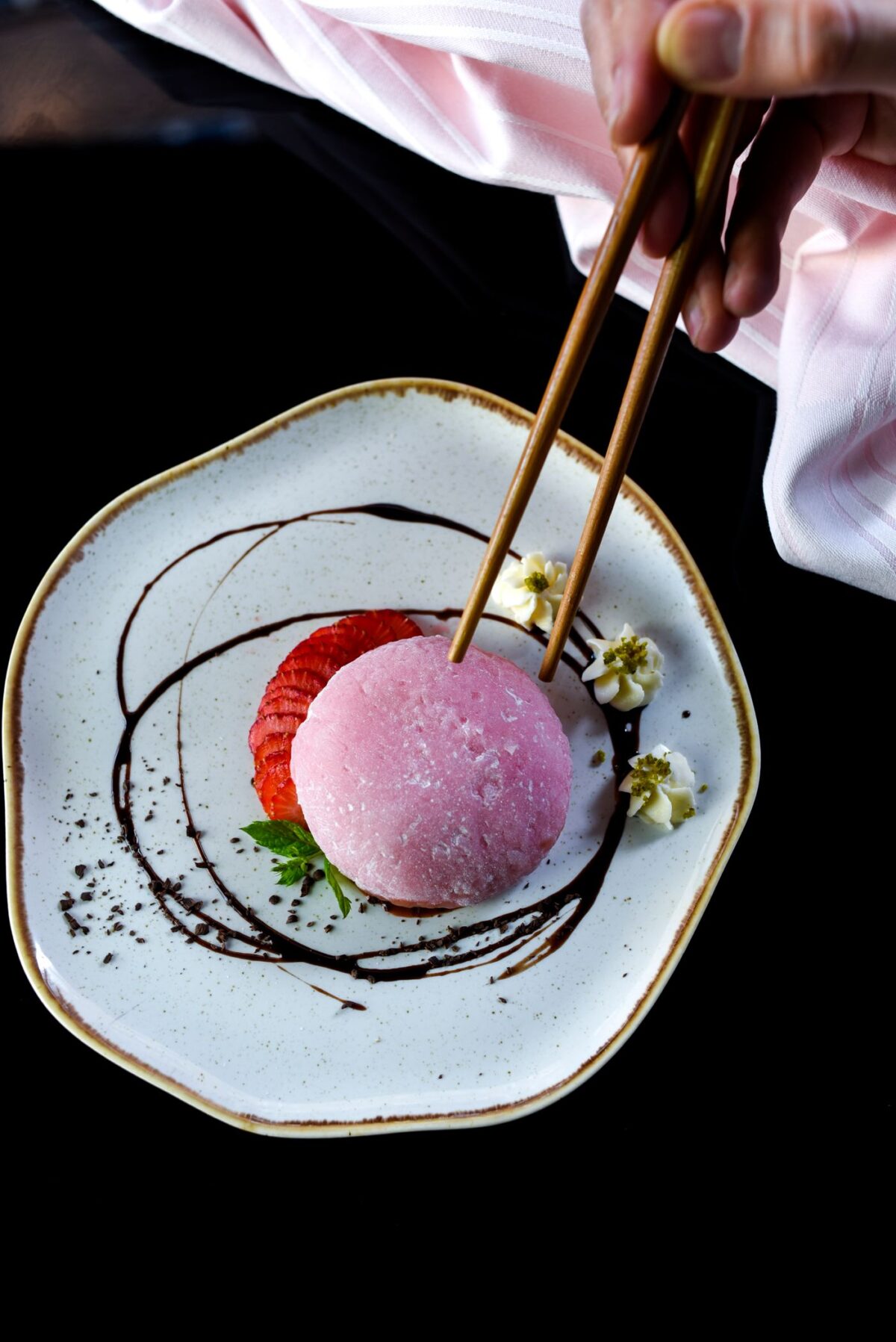
As cherry blossom season approaches, pink packaging and sakura-inspired products begin appearing in shops and cafés.
Depending on the year and brand, you may find seasonal products featuring:
- Sakura
- Strawberries
- Matcha
- Spring flowers and colours
Sakura-themed sweets and drinks can be especially interesting for international visitors.
However, it is worth remembering that “sakura flavour” does not refer to one single flavour. Different products use different ingredients and flavour combinations. Some may incorporate elements such as salted cherry blossoms or leaves, while others may simply use sakura as inspiration for their flavour, colour, or design.
Strawberries are also highly visible in many Japanese sweets and desserts during the cooler months and spring. Cakes, chocolates, drinks, parfaits, and other products may feature strawberries during this period.
Even if you do not buy anything, browsing the shelves can be a fun way to see how shops change their products and packaging with the season.
4. Summer: Refreshing Flavours and Seasonal Treats
As the weather becomes hotter, seasonal products begin to change again.
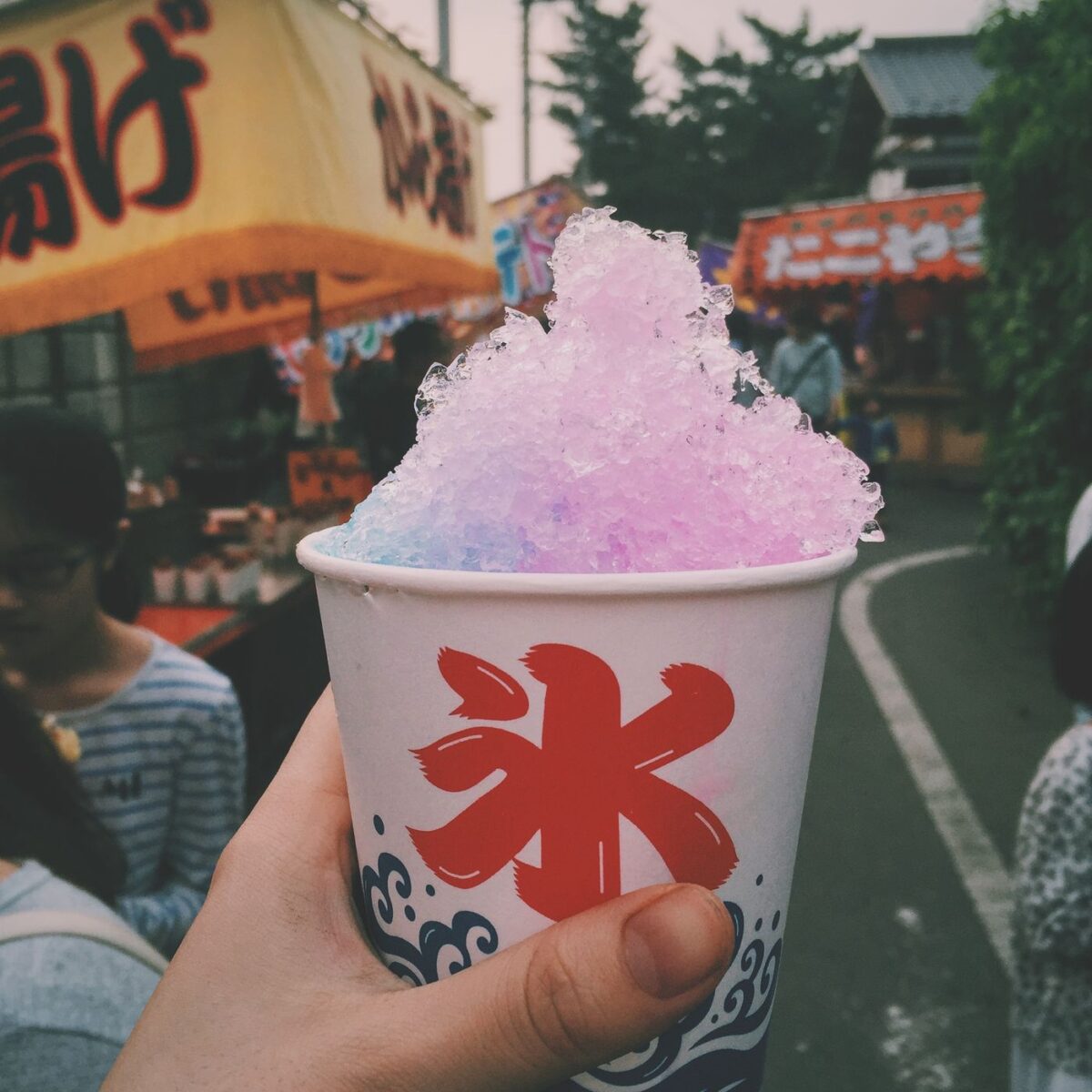
During summer, you may see more chilled desserts, ice creams, cold drinks, jellies, and refreshing fruit or citrus flavours.
Some products are also inspired by summer experiences and events, such as festivals, fireworks, or shaved ice.
The packaging can change too, with designs featuring summer imagery appearing on drinks, sweets, and other products.
In many parts of Japan, summer can be hot and humid, so cold food and drinks can be particularly welcome during a day of sightseeing.
Seasonal ranges differ between shops, brands, regions, and years, so there is no single list of products you will always find.
That uncertainty is part of the fun. Visiting a convenience store or supermarket when you arrive can be an easy way to see what that particular summer has to offer.
5. Autumn: Chestnut, Sweet Potato and Other Autumn Flavours
Autumn is another season when Japan’s limited-edition culture becomes particularly easy to notice.
Two words worth recognising are:
栗
Kuri
Chestnut
さつまいも
Satsumaimo
Sweet potato
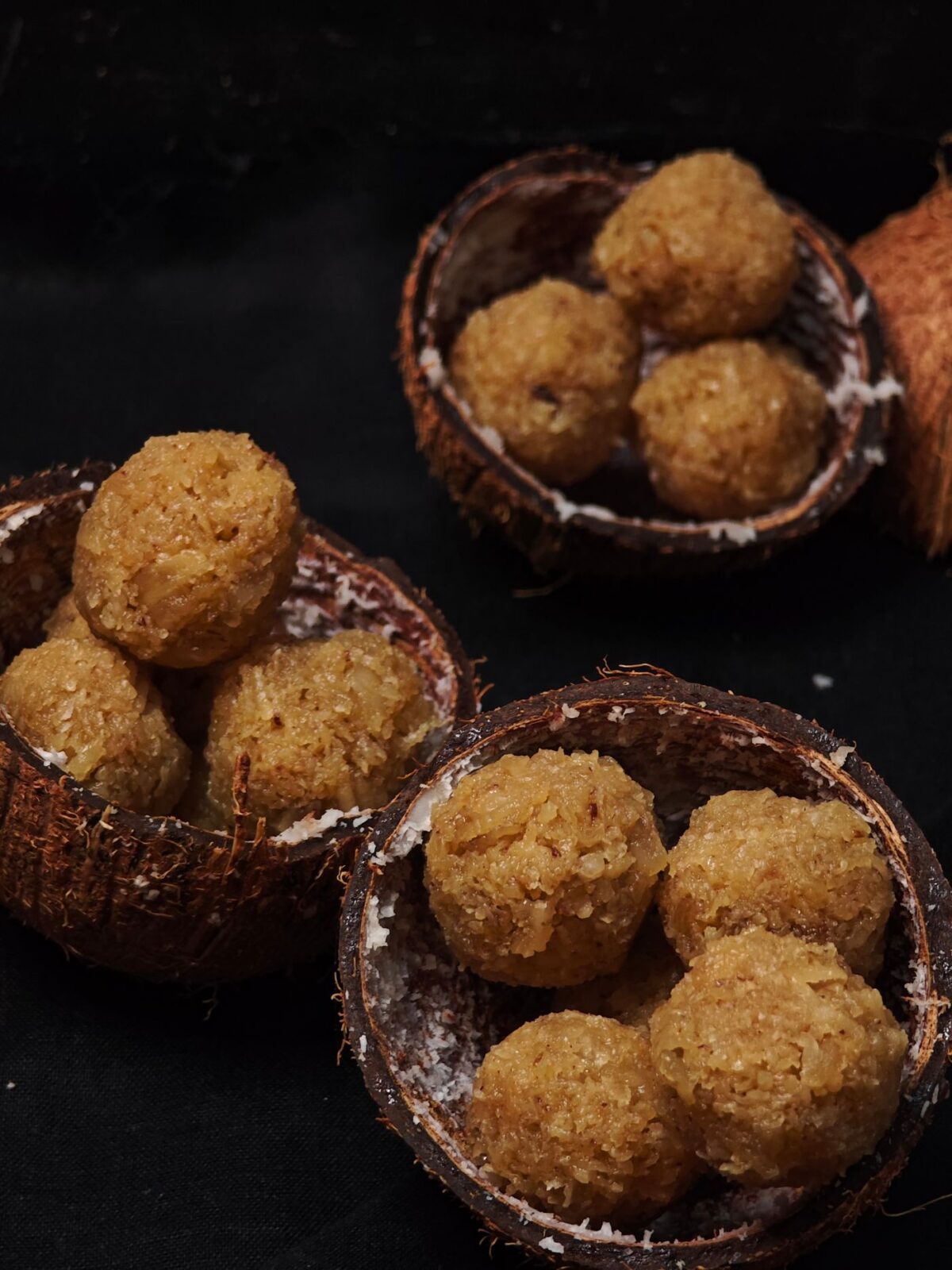
During autumn, flavours inspired by chestnuts and sweet potatoes may appear in cakes, biscuits, chocolates, ice cream, pastries, and drinks.
Depending on the shop and year, you may also encounter other ingredients associated with autumn.
These flavours are not limited to traditional Japanese sweets. Modern cafés, bakeries, convenience stores, and major food brands may also introduce their own seasonal products.
This makes autumn an interesting time to compare traditional seasonal ingredients with the way they are used in contemporary snacks and café menus.
If you are travelling in Japan during autumn, simply checking the seasonal shelves in a supermarket or convenience store can lead to some unexpected discoveries.
6. Winter: Chocolate, Strawberry and Festive Products
Winter brings another change to the products displayed in Japanese shops.
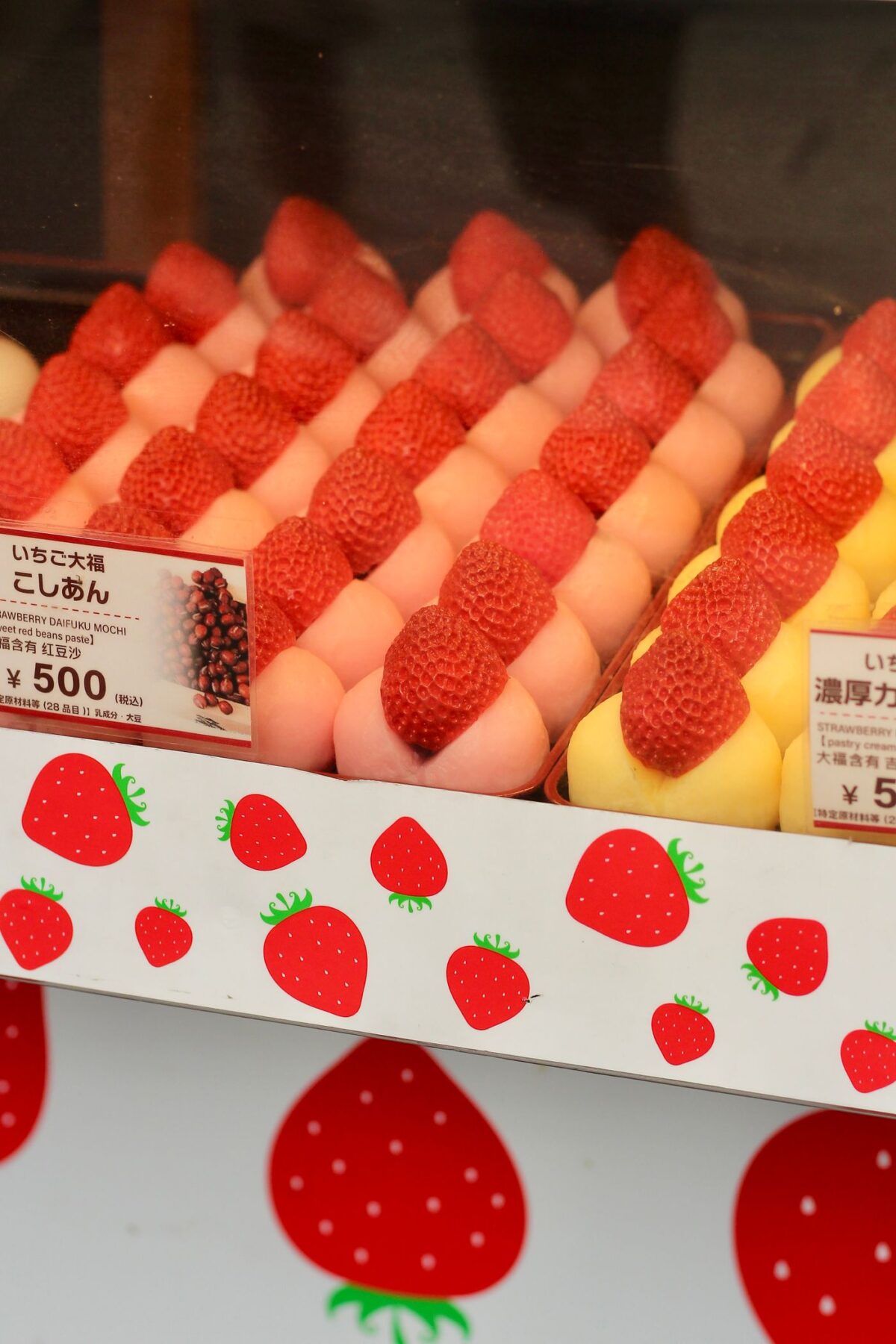
You may find richer flavours, chocolate-based sweets, hot drinks, strawberry desserts, and products inspired by winter events.
Around Christmas, festive packaging and seasonal cakes and sweets become particularly visible in some shops. As New Year approaches, supermarkets and department stores also begin displaying foods associated with Japanese New Year traditions.
Cafés may introduce winter drinks and desserts, while confectionery brands may release products specifically for the colder months.
Again, there is no guarantee that the same products will return every year. Menus, flavours, and packaging can change from one season to the next.
That means something you try during one winter trip to Japan may not be waiting for you when you return a few years later.
7. Where Can Travellers Find Limited-Edition Products?
You do not have to search very hard to experience limited-edition culture in Japan.
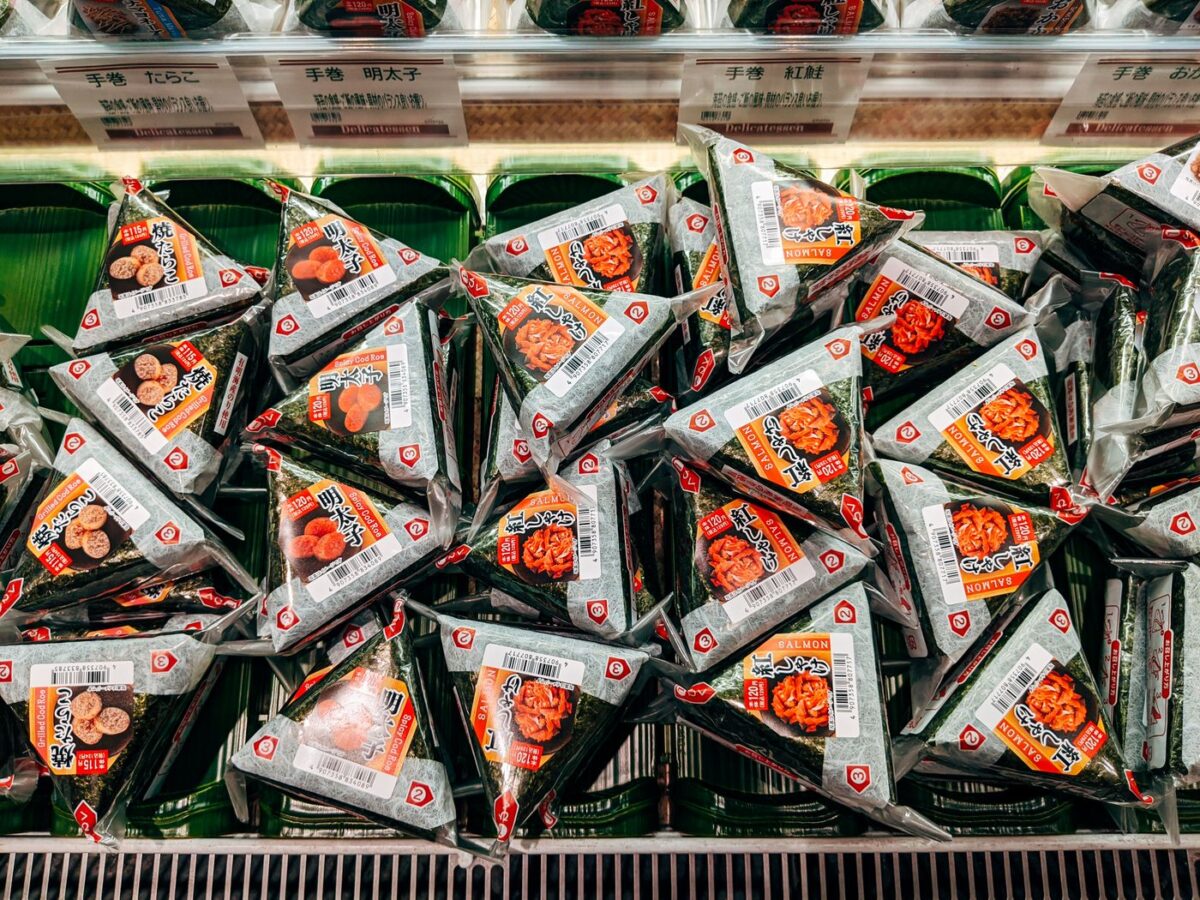
Seasonal and limited products can appear in many places travellers already visit, including:
- Convenience stores
- Supermarkets
- Department stores and depachika
- Cafés
- Train stations
- Airports
- Souvenir shops
Convenience stores are particularly easy places to start. Their selection changes regularly, so checking the sweets, drinks, ice cream, and dessert sections can reveal new seasonal products. Our guide to Japanese convenience stores explains what to look for.
Supermarkets offer another perspective, with both everyday foods and seasonal ingredients.
Depachika, the food halls usually found in the basement levels of department stores, can also be fascinating to explore. Depending on the store and season, you may find beautifully presented sweets, prepared dishes, gift boxes, and regional specialities.
Train stations and airports are also useful places to look for souvenirs, particularly if you are interested in products associated with the destination you are visiting.
8. Regional Limited Editions: “Gentei” Isn’t Only Seasonal
Not every limited product disappears when the season changes.
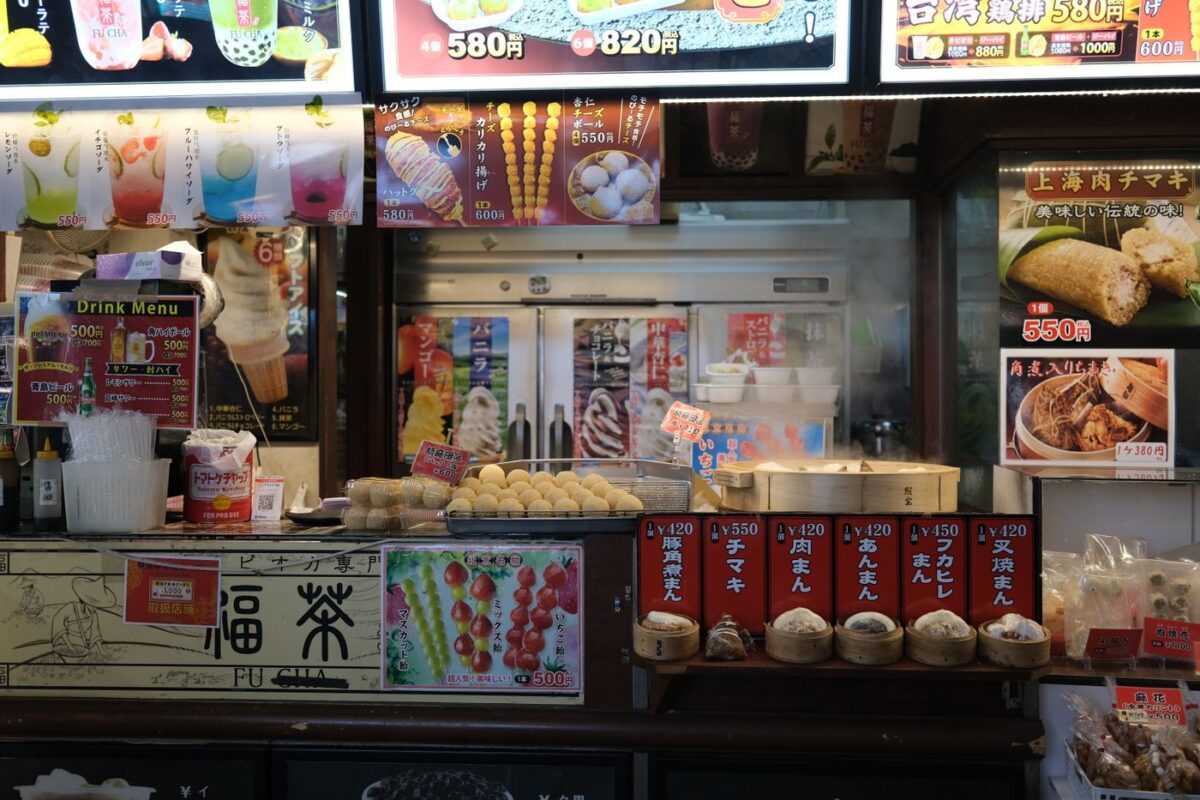
Another useful phrase for travellers is:
地域限定
Chiiki gentei
Regional limited edition
Some products are available only in particular parts of Japan.
You might encounter snacks, sweets, drinks, souvenirs, or special flavours associated with destinations such as Hokkaido, Kyoto, or Tokyo. Even familiar brands sometimes offer products connected to specific regions.
This can make souvenir shopping more interesting. Instead of buying the same product anywhere in Japan, you may find something associated specifically with the place you visited.
It is also useful to understand the difference between two similar-looking ideas:
期間限定
Kikan gentei
Available for a limited period
地域限定
Chiiki gentei
Available in a limited region
Sometimes a product can even be both. For example, it might be available only in one region and only during a particular season.
9. Useful Japanese for Finding Limited Editions
If you find something interesting while shopping, a few simple Japanese phrases can help you learn more about it.
これは期間限定ですか?
Kore wa kikan gentei desu ka?
Is this available for a limited time?
いつまでですか?
Itsu made desu ka?
Until when is it available?
おすすめはどれですか?
Osusume wa dore desu ka?
Which one do you recommend?
ここでしか買えませんか?
Koko de shika kaemasen ka?
Can I only buy this here?
You do not need to understand every Japanese word printed on the packaging.
Simply recognising 限定 (gentei) can give you a clue that there may be something special about the product—and perhaps a reason to try it before it disappears. Our essential Japanese phrases for travellers has more to try.
Conclusion
Japan’s limited-edition culture is not based on one single reason.
Seasonal ingredients, annual events, regional specialities, changing consumer interests, and retail marketing can all influence the products that appear in shops, cafés, and restaurants throughout the year.
For travellers, this constant change makes everyday shopping another way to experience Japan.
A sakura-inspired sweet in spring, a sweet potato dessert in autumn, or a snack found only in the region you are visiting can become a small reminder of a particular place and moment from your trip.
So if you see 期間限定, 季節限定, or 地域限定 while exploring Japan, take a closer look. You may discover something that will be different—or no longer available—the next time you visit.
And if you would like to understand and use more Japanese while shopping, eating out, and travelling around the country, Iroha Passport’s Travel Japanese lessons can help you practise practical Japanese for situations you may actually experience in Japan.
👉 Start with the basics — get our free Travel Japanese phrasebook.
About Iroha Passport
Iroha Passport helps English speakers learn Japanese and plan their trips to Japan. Lessons are taught by native Japanese teachers living in London, in person or online.
By Iroha Passport