Introduction
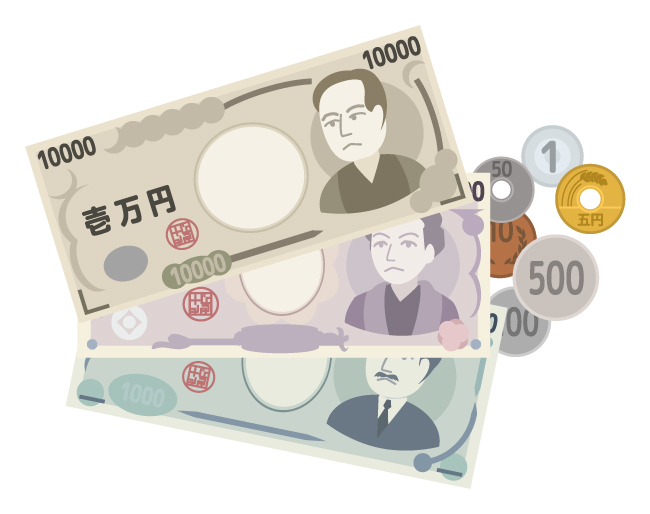
Planning a trip to Japan often comes with one practical question: how should you pay for things?
Many travellers from the UK wonder whether Japan is mainly cash-based, whether credit cards are widely accepted, or whether they need a Suica or PASMO card before they arrive.
The answer is: it depends on where you go and what you are paying for.
Japan has become much more cashless in recent years, especially in cities and tourist areas. However, cash is still useful in many situations, particularly in smaller shops, local restaurants, rural areas, and some traditional places.
✨ Planning a trip to Japan and want the practical details sorted out in advance? Our Travel Planning service gives you a personalised itinerary with local tips — like how to handle payments — built in. 👉 Plan your trip with confidence — get your plan here.
1. Does Japan Still Use Cash?
Yes, cash is still useful in Japan.
Although cashless payments are becoming more common, Japan is not completely cashless. In major cities, department stores, hotels, convenience stores, and chain restaurants, cards and electronic payments are often accepted.
However, you may still need cash in places such as:
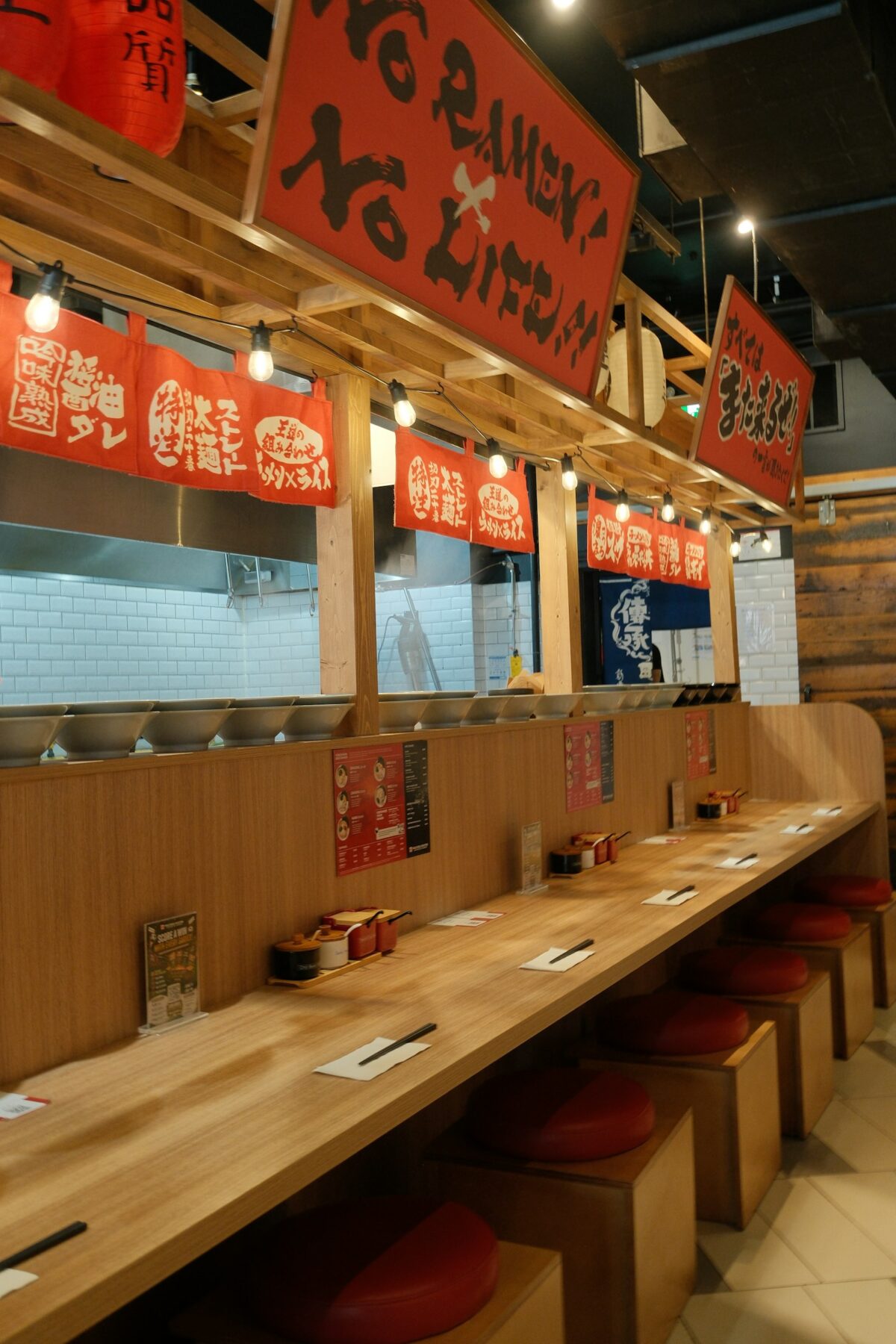
- Small local restaurants
- Independent cafés
- Rural areas
- Temples and shrines
- Markets
- Small museums or local attractions
For travellers, the safest approach is to carry a mix of cash and cards.
You do not need to carry a huge amount of cash every day, but having some yen available can help you avoid stress in places where cards are not accepted.
2. Using Credit and Debit Cards
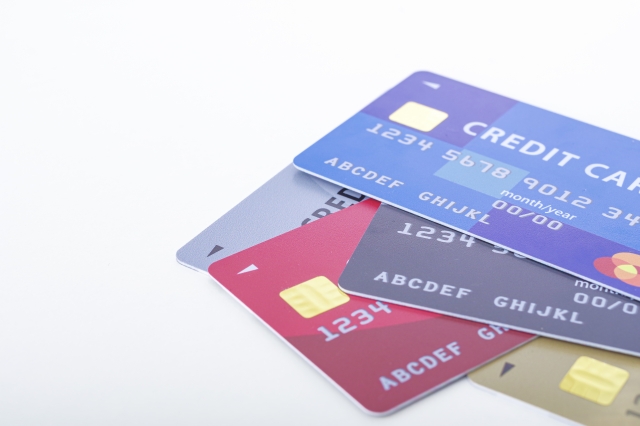
Credit and debit cards are increasingly accepted in Japan, especially in tourist-friendly areas.
You can often use cards at:
- Hotels
- Department stores
- Large restaurants
- Convenience stores
- Major train stations
- Shopping centres
Visa and Mastercard are commonly accepted, while acceptance of other cards may vary depending on the store.
That said, cards may not work everywhere. Some smaller businesses may accept cash only, and some machines may not accept international cards.
Before your trip, it is a good idea to:
- Check whether your card works overseas
- Inform your bank about your travel plans if needed
- Bring more than one payment method
- Carry some cash as a backup
This helps avoid problems if one card does not work.
3. What Are IC Cards?
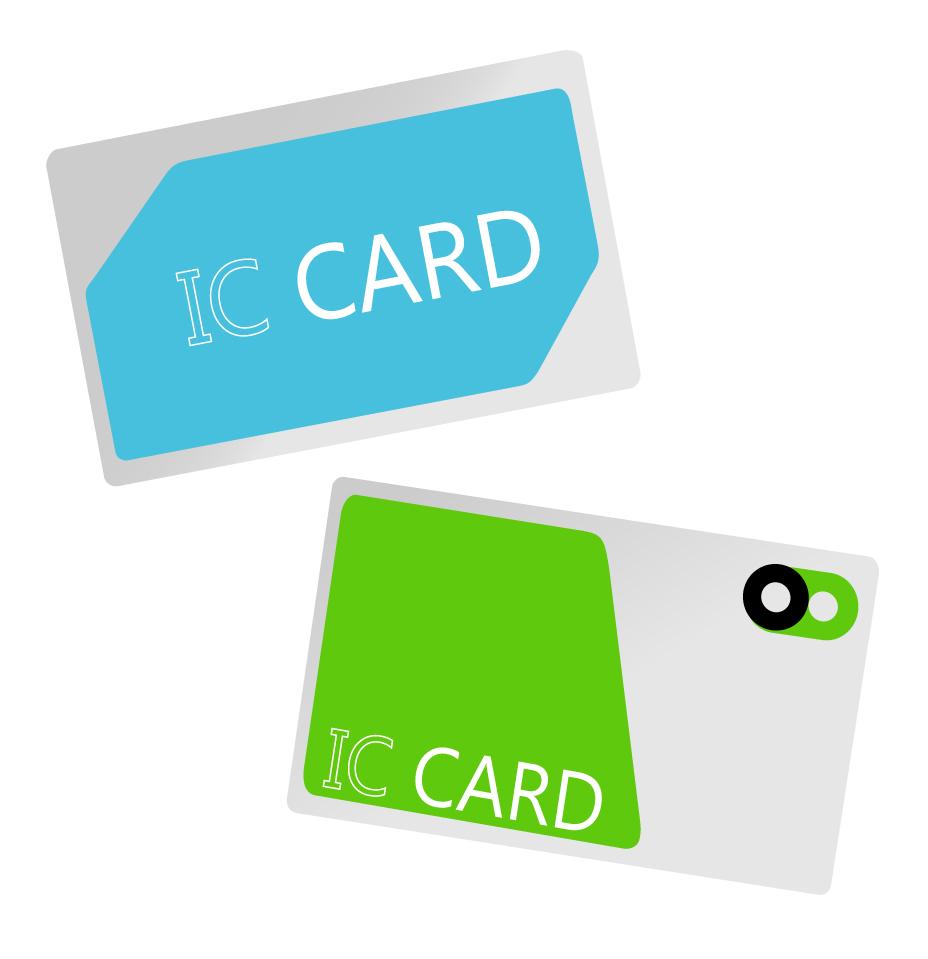
IC cards are prepaid transport cards that can be used for trains, buses, and many small purchases.
The most well-known examples are Suica and PASMO.
For short-term visitors, dedicated tourist versions such as Welcome Suica and Tourist Pasmo are available at airports and major stations, and work in exactly the same way as a standard IC card.
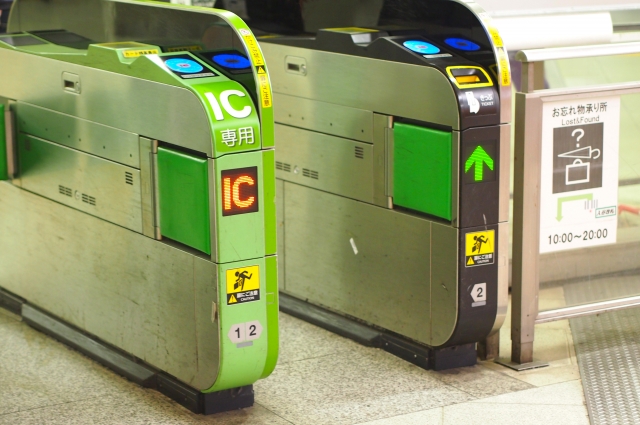
They are especially useful because you can simply tap in and out at ticket gates, instead of buying paper tickets each time.
IC cards can often be used for:
- Trains and buses
- Convenience stores
- Vending machines
- Coin lockers
- Some shops and restaurants
For visitors, IC cards are one of the easiest ways to make daily travel smoother.
Some travellers may also be able to add certain IC cards to a smartphone wallet, depending on their device, settings, payment card, and country of use.
Because availability and compatibility can change, it is best to check the latest information before your trip rather than assuming it will work for everyone.
4. Contactless and Mobile Payments
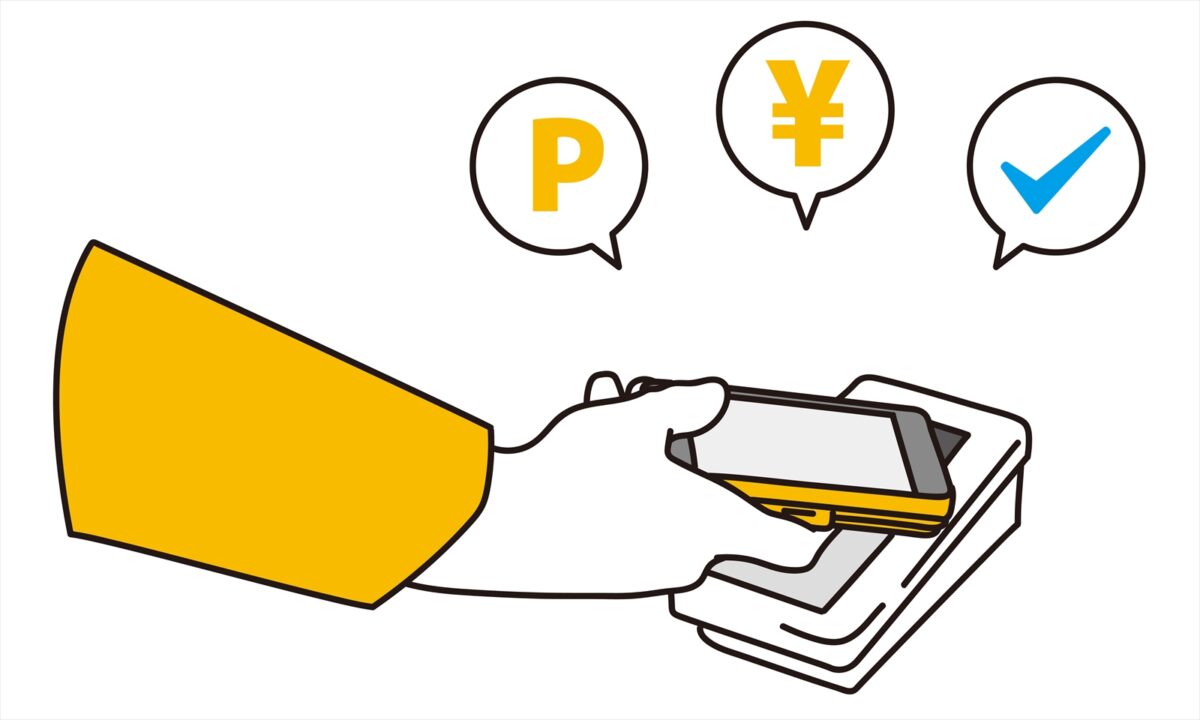
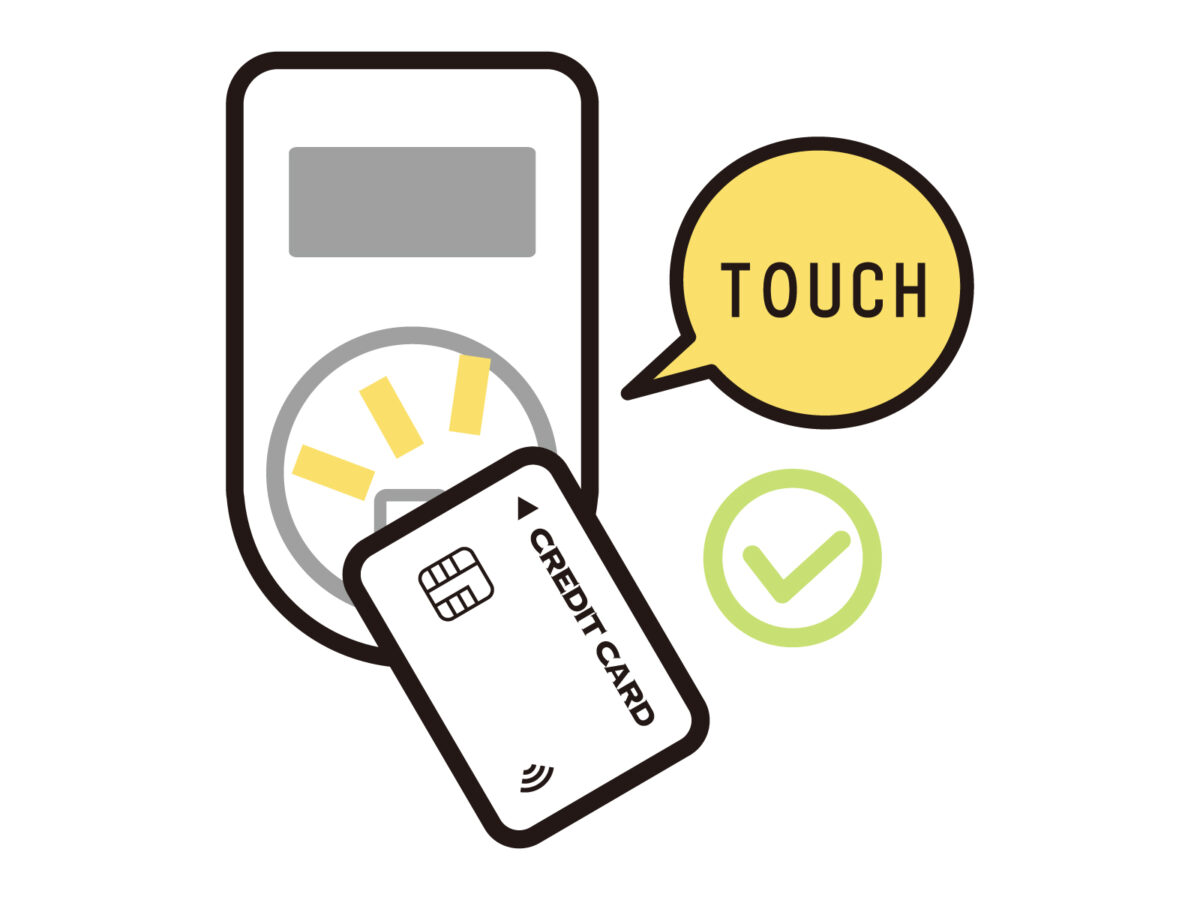
Contactless payments and mobile payments are becoming more common in Japan.
In some places, you may be able to use:
- Contactless credit cards
- Apple Pay
- Other smartphone wallets
- IC cards on a smartphone
However, availability can vary depending on the store, transport company, device, and payment card.
For example, some travellers may find smartphone IC cards very convenient, while others may have trouble adding or topping up a card because of device settings or card compatibility.
For this reason, it is better not to rely only on mobile payments.
A good travel strategy is:
- Carry a physical card
- Keep some cash
- Use an IC card where possible
- Check your phone payment options before travelling
This gives you more flexibility during your trip.
5. Useful Japanese Words
You may see these words when paying in Japan:
- 現金(Cash)
- クレジットカード(Credit card)
- 電子マネー(Electronic money)
- 交通系ICカード(Transport IC card)
- レシート(Receipt)
- 領収書(Official receipt)
- 現金のみ(Cash only)
Recognising these words can make payment situations much easier, especially in smaller shops or restaurants.
6. Helpful Japanese Phrases
Here are some simple phrases that can help when paying.
カードで払えますか? Kaado de haraemasu ka? Can I pay by card?
現金だけですか? Genkin dake desu ka? Is it cash only?
Suicaは使えますか? Suica wa tsukaemasu ka? Can I use Suica?
レシートをお願いします。 Reshiito o onegaishimasu. A receipt, please.
袋をお願いします。 Fukuro o onegaishimasu. A bag, please.
Even if the staff speak some English, using a simple Japanese phrase can make the interaction smoother and more polite.
Conclusion
Paying for things in Japan is usually simple once you understand the main options.
Cash is still useful, especially in smaller or more local places. Credit and debit cards are widely accepted in many urban and tourist areas. IC cards such as Suica and PASMO are extremely convenient for trains, buses, convenience stores, vending machines, and other small purchases.
The best approach is not to rely on just one payment method. Prepare a mix of cash, cards, and an IC card so you can travel with less stress.
If you’d like extra help preparing for practical details like this before your trip, our Travel Planning service can build you a personalised itinerary with local tips included, so you can travel with less stress.
👉 Get your personalised plan — start here.
Related Guides
Planning your trip? Explore our Travel Planning service, or get ready to speak with confidence through Travel Japanese lessons. For steady, self-paced progress, check out Self-study Support.